Southeast Asian, Oceanic & American Art
Navajo and Zuni silver and turquoise, carvings from Papua New Guinea and New Zealand, Thai and Indonesian figures, Hmong silver, Inuit sculpture and Aboriginal painting.
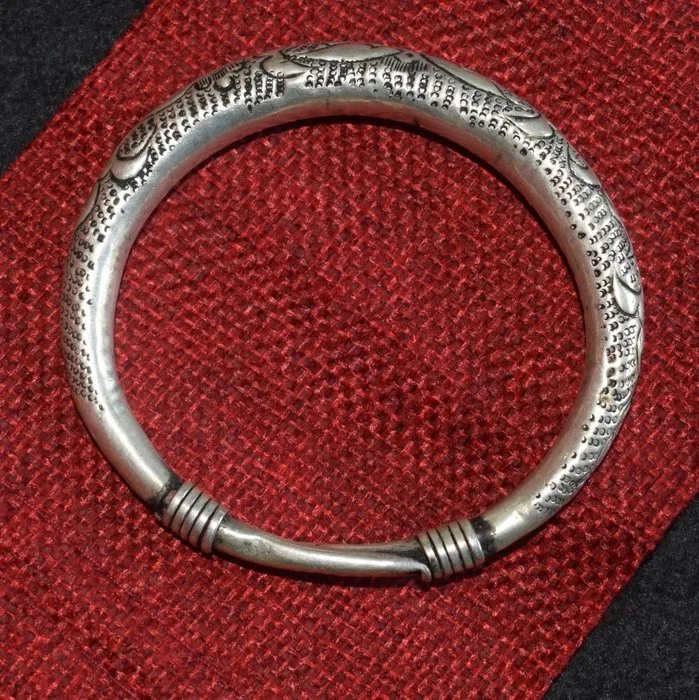
Traditional Miao – Hmong bracelet, 22 g, floral motif, ethnic silver - Laos - Hmong Miao
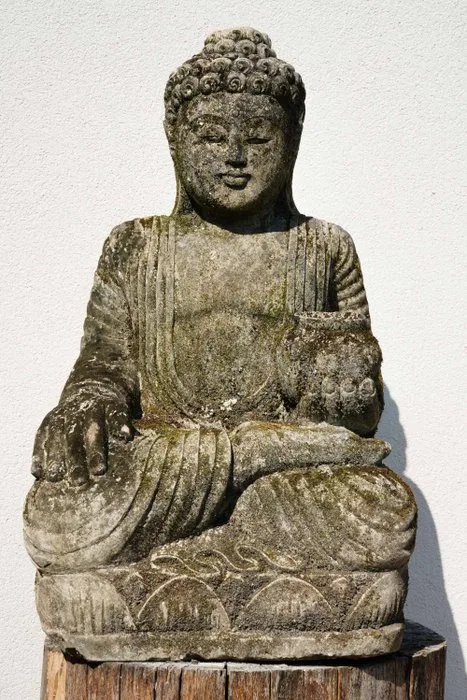
Statua Buddha Antica con Giara | Scultura in Pietra 65cm - Statue - Buddha - Balinese culture - Indonesia
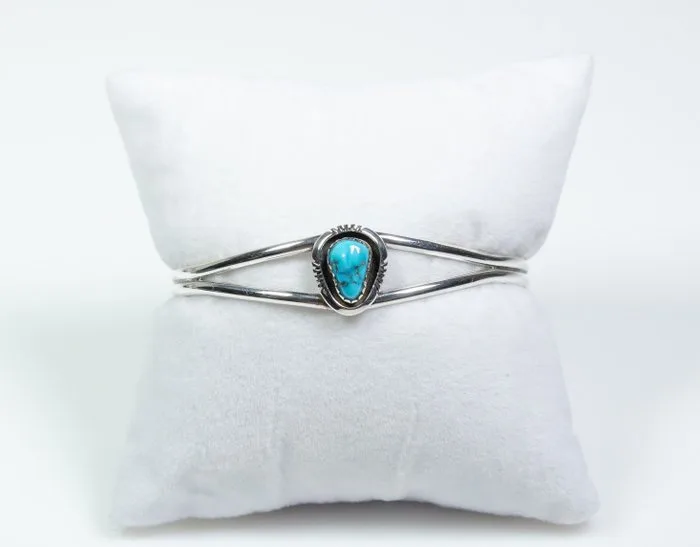
Bracelet - Turquoise - Navajo - U.S
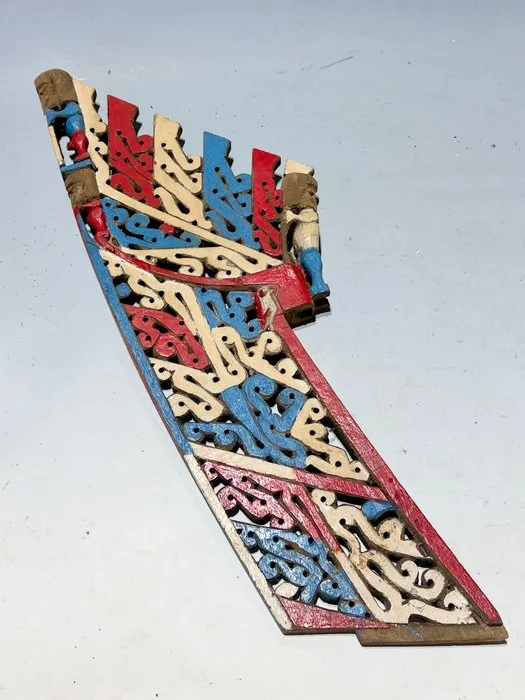
Super fine canoe front New Guine Yapen Island with korwzr figures, second half of 20th century - Yapen - West Papua
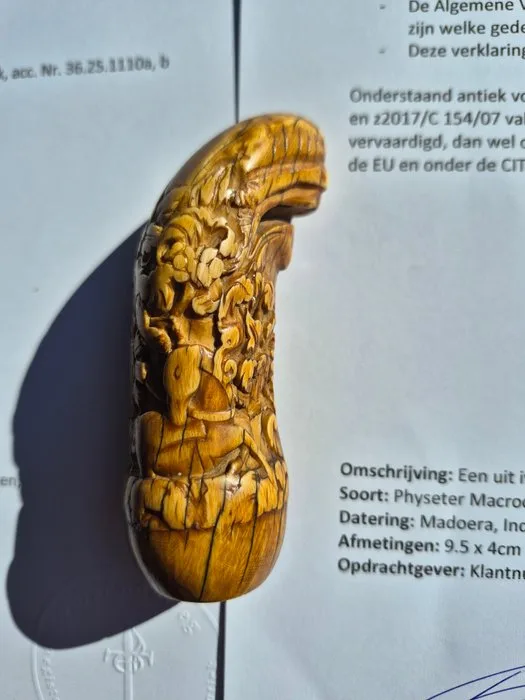
Handle - 1800-1850, 1850-1900 - with Expert Report
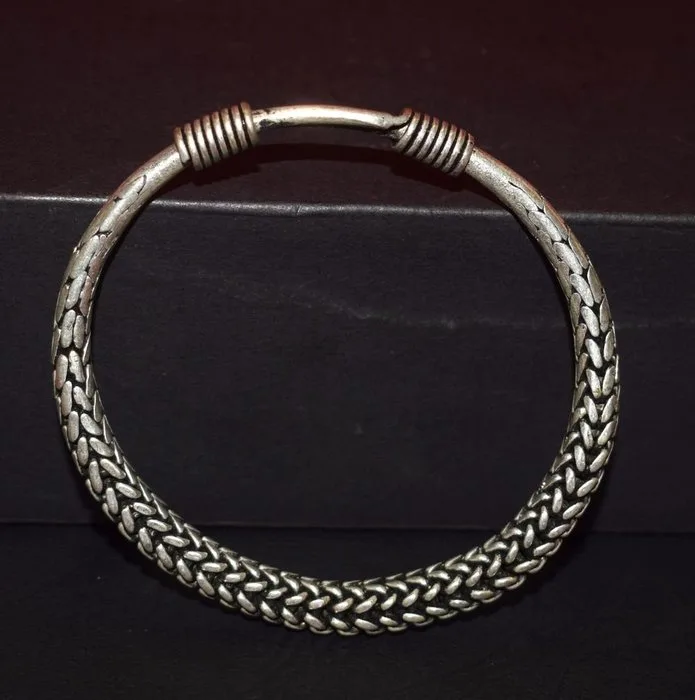
Gorgeous Miao–Hmong bracelet, traditionally braided, 52 g, in ethnic silver. - Laos - Hmong Miao
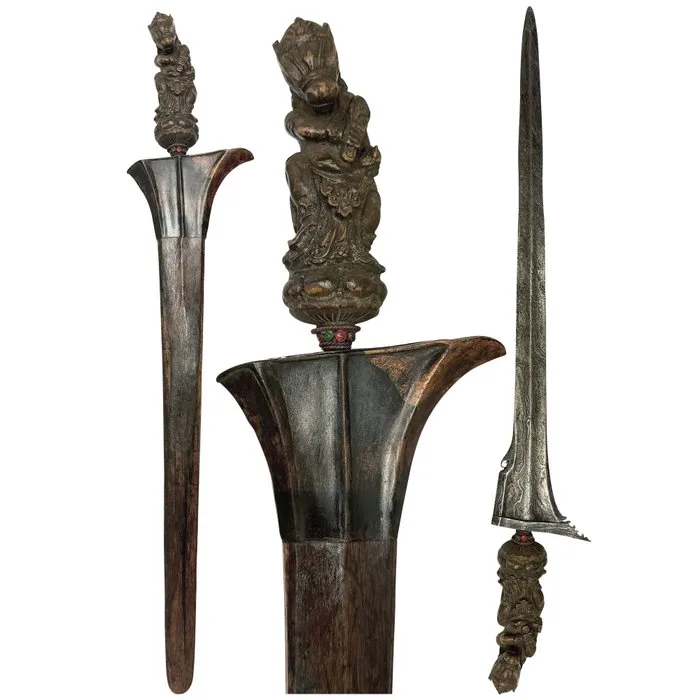
Kris / keris - Old Kebo Teki keris straight - The fame of Badung Mining (buntel mayiit) from Bali. - Indonesia
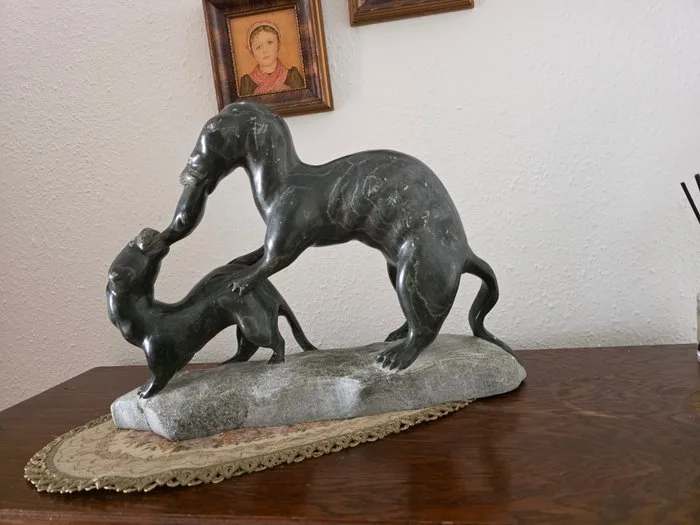
Inuit Carving: Two Otters by Master Sculptor Thomassiapik Sivuarapik (1941–?) - Canada
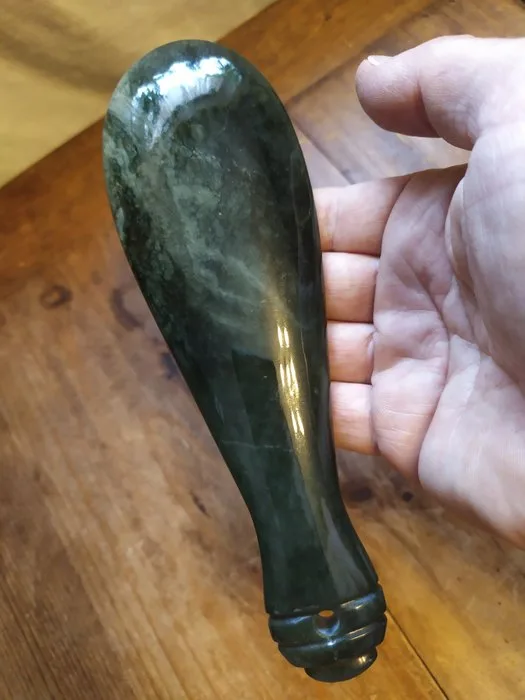
Greenstone - Greenstone Mere - Maori - New Zealand
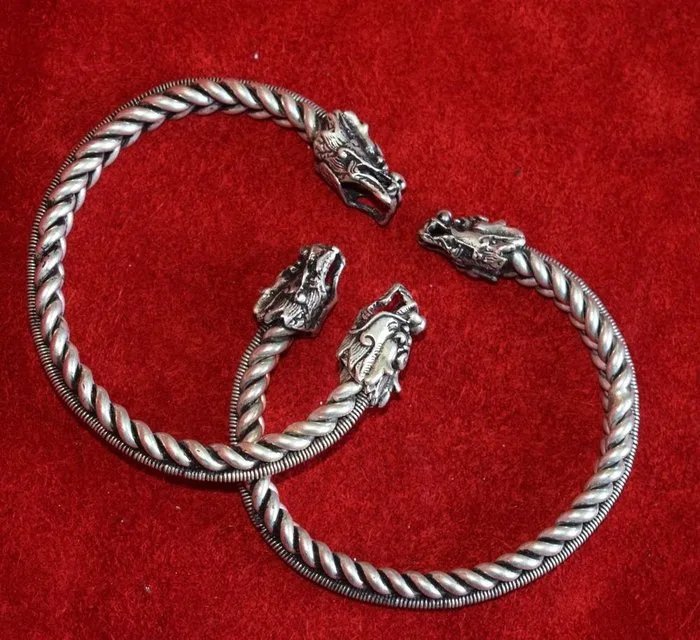
Pair of two dragon cuff bracelets, Miao–Hmong, 92 g, ethnic silver. - Laos - Hmong Miao
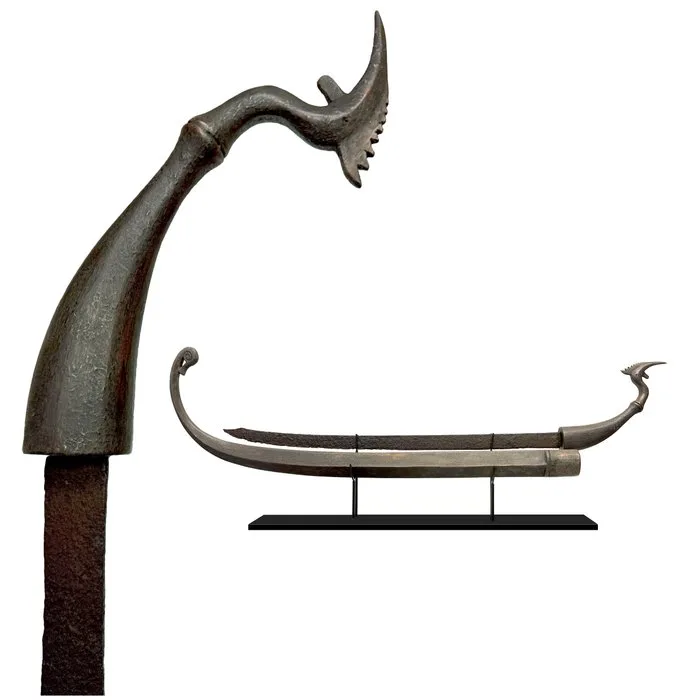
Sword - Palitai - Mentawai - West Sumatra - Indonesia
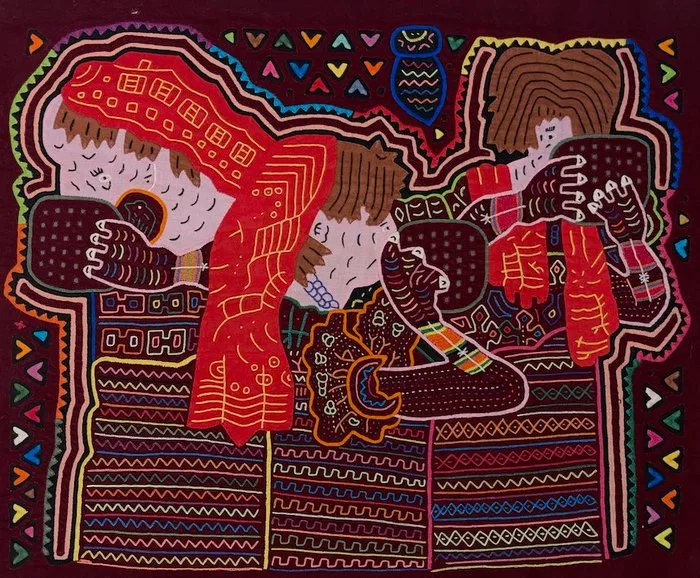
Embroidery - Image depicting 3 women drinking from coconuts - Kuna - Mola - Panama
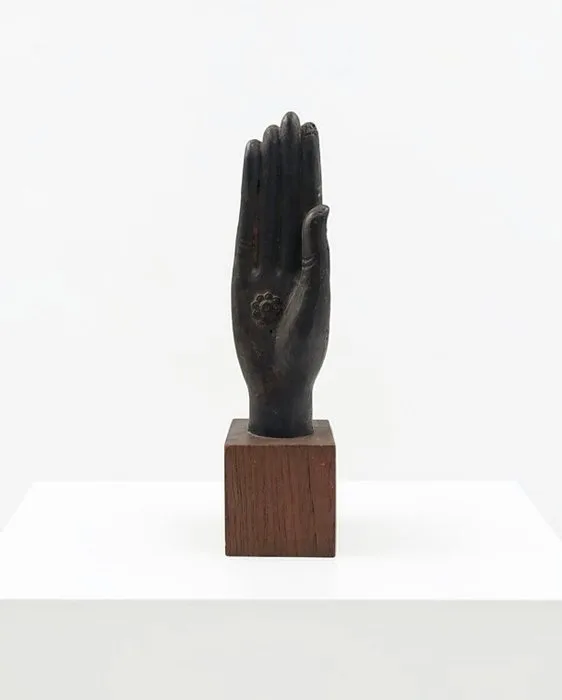
Buddhist bronze hand – fragment of a Buddha/Bodhisattva figure - Thailand
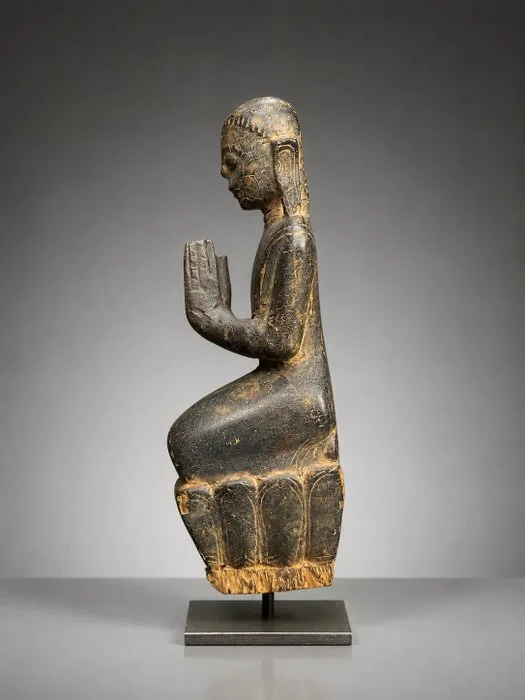
Adorant - Ava Kingdom - 17th century - Sculpture - Myanmar/Burma
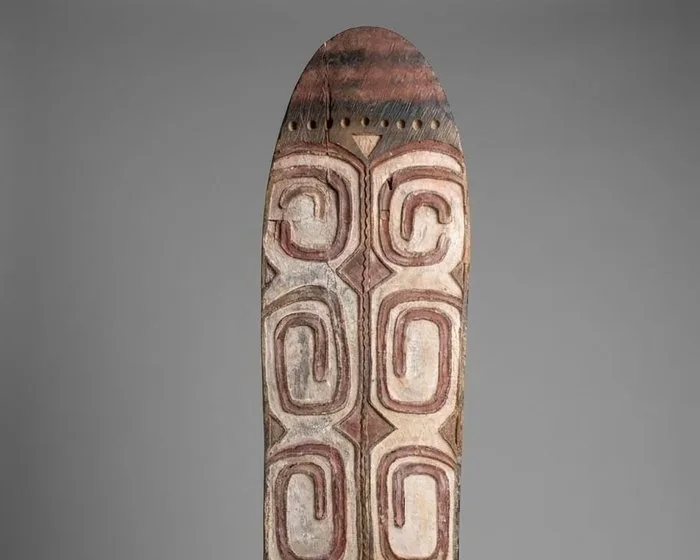
Magnificent panel, Asmat from Papua - Papua New Guinea
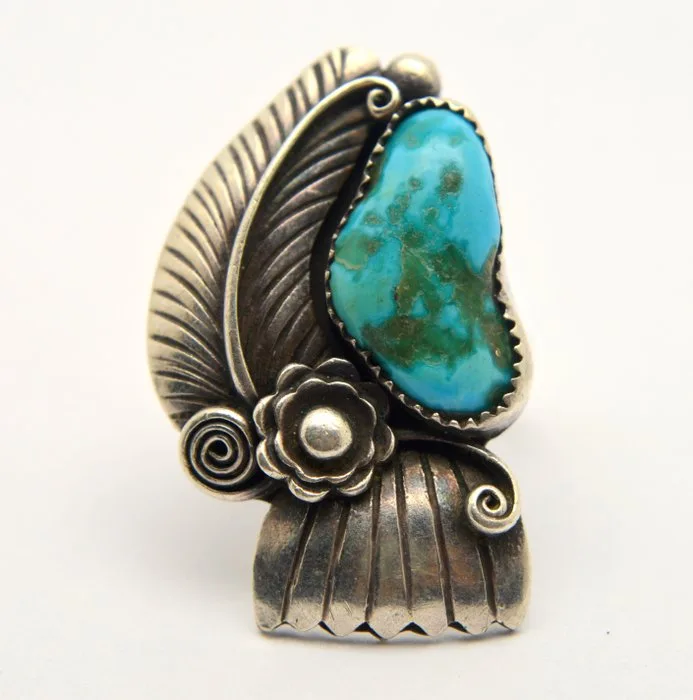
925 Silver Navajo ring - Blue Turquoise - United States
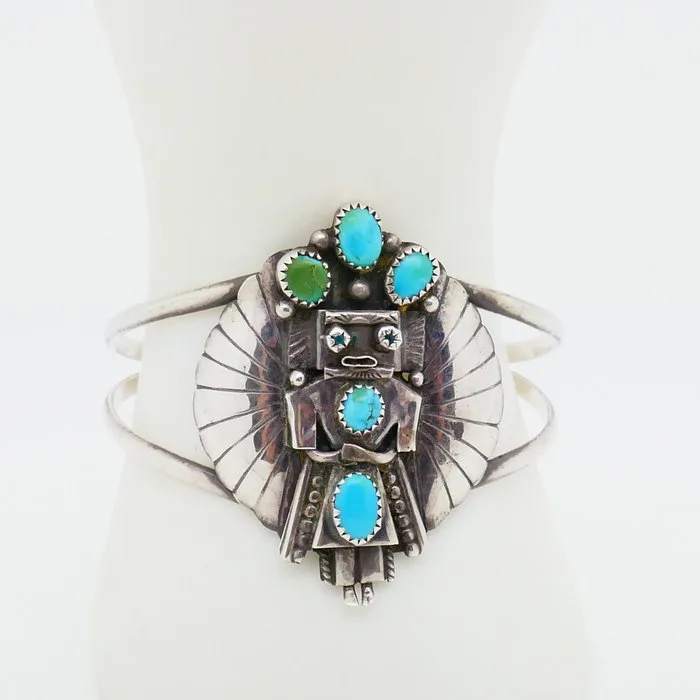
Chris Beyuka - Kachina - Zuni - U.S
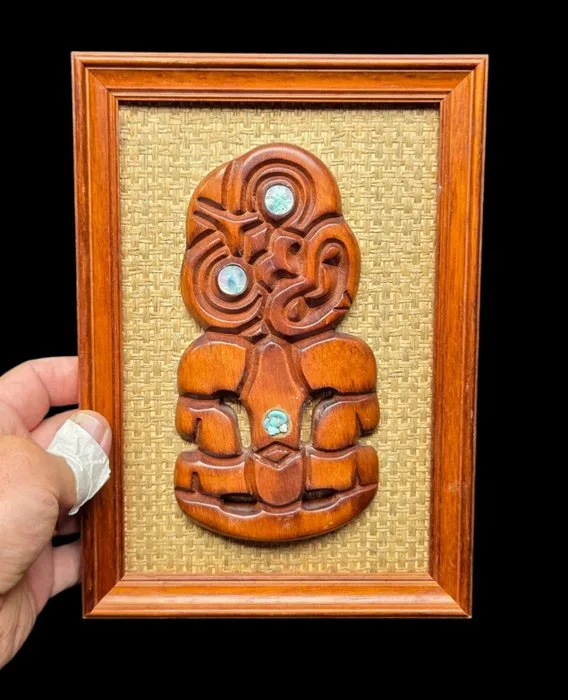
Maori Tiki with Mother of Pearl Eye Inlay - on wood / basketry shield - New Zealand
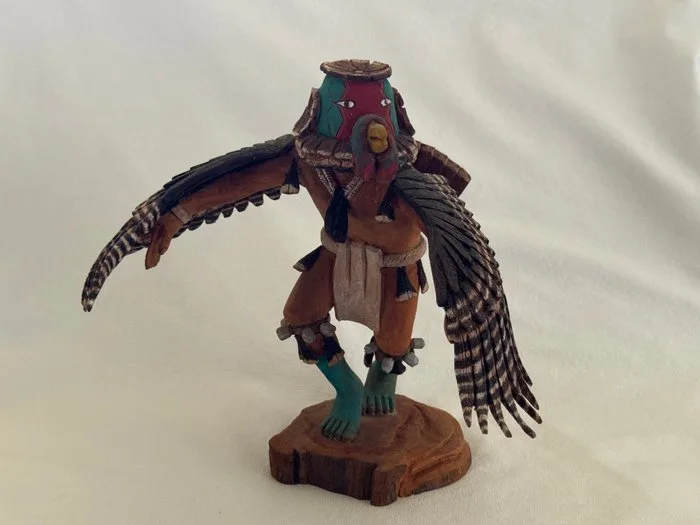
Turkey Kachina (Rare!) - Henry Naha - Turkey (Koyona) - Hopi - U.S
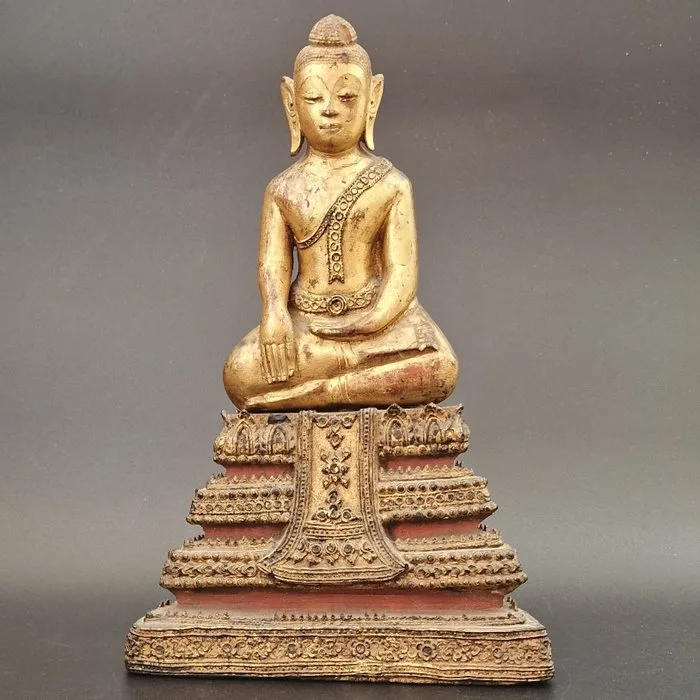
Antique Wooden Buddha 27 cm - Northern Thailand/Shan States – Rattanakosin Throne - late 19th Century (c. 1880–1910)
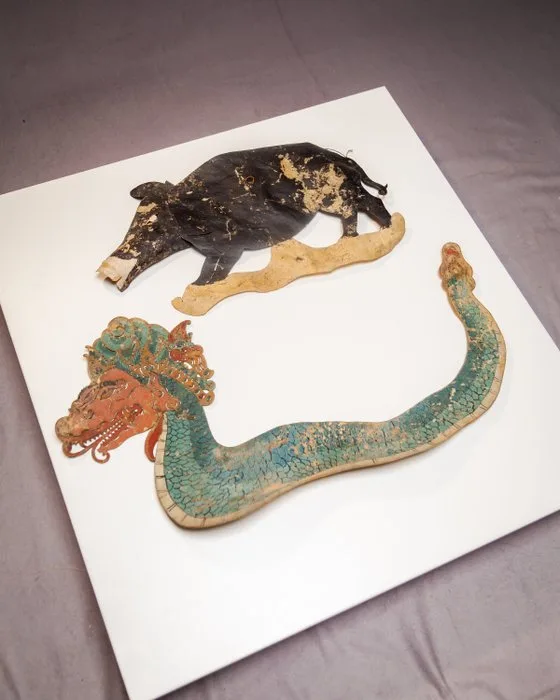
Puppet Balinese - Water buffalo hide - Second half of 20th century
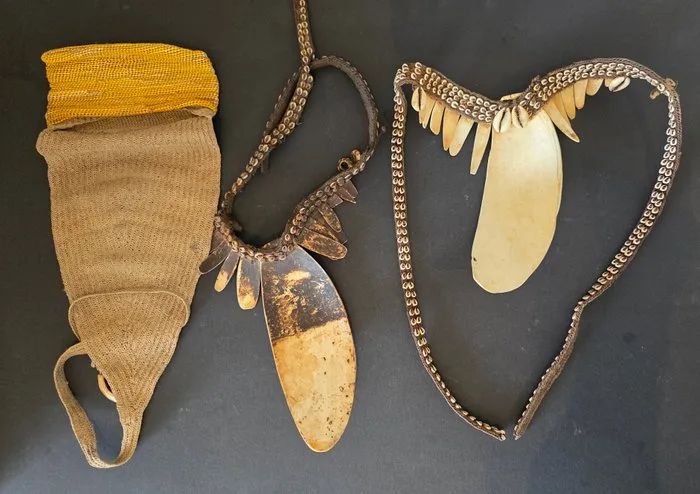
Dani - Papua New Guinea
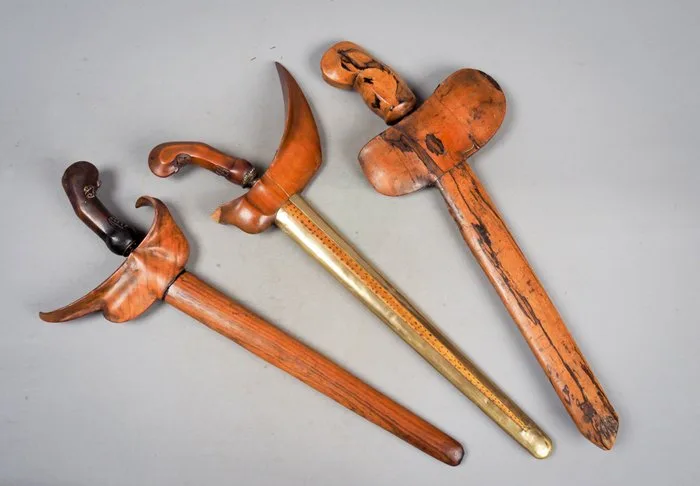
Kris / Keris - Java Madura - 3 pieces - Indonesia
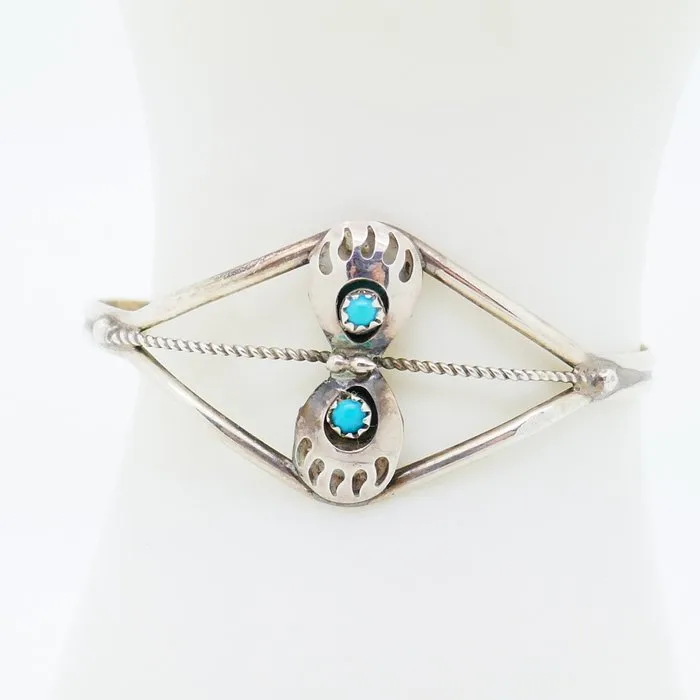
Bear's Claw shadowbox bracelet - Navajo - U.S
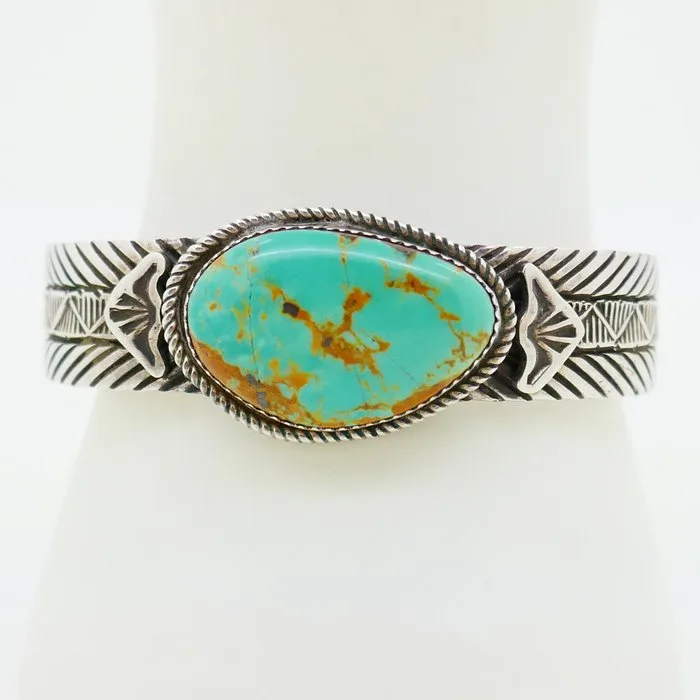
Rick Enriquez - Navajo - U.S
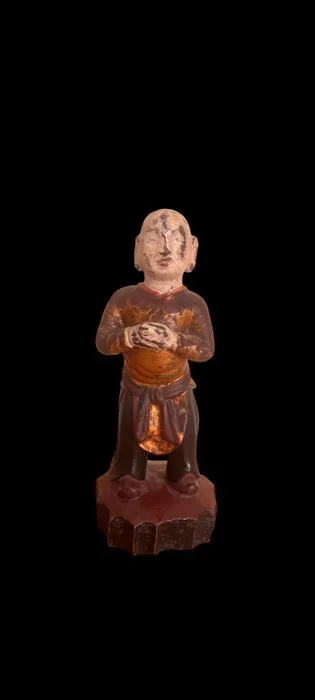
Monje oferente birmano en madera dorada - Myanmar (Birmania), ca. 1850–1900 - Sculpture - Myanmar/Burma
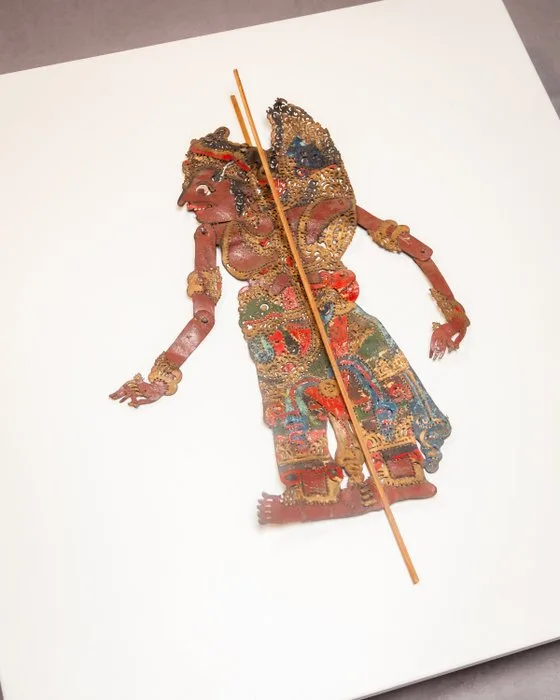
Puppet Balinese - Water buffalo hide
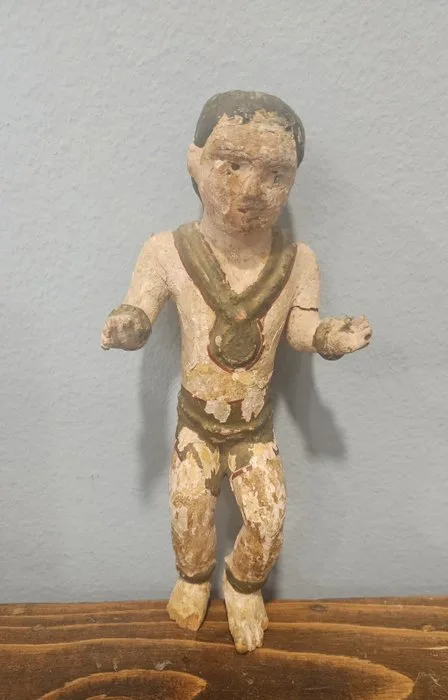
Ancient ritual figure in polychrome wood - Wood - Asia/Indonesia? - 19th century
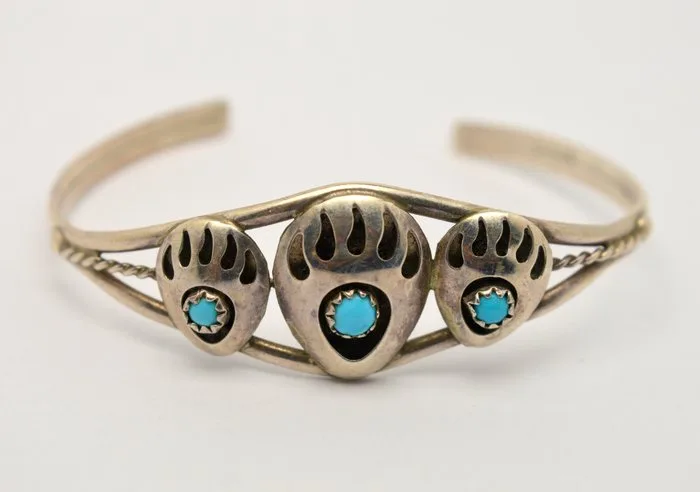
Navajo Bracelet 925 Silver - United States
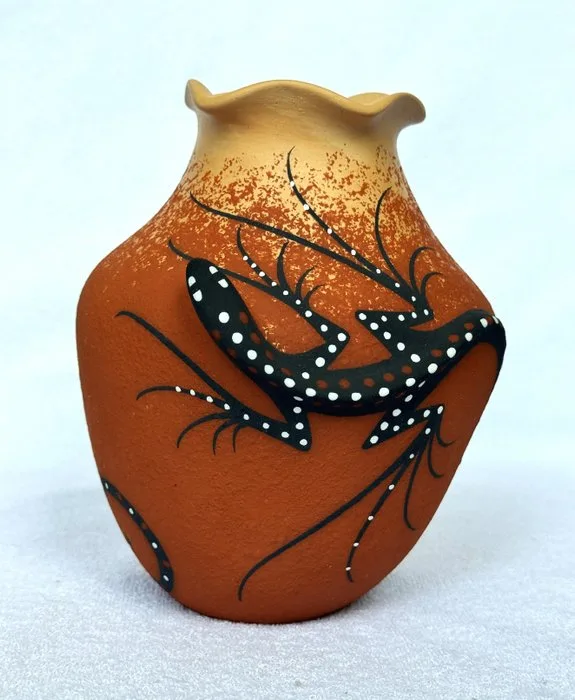
Lizard Pot (Lizzard Pot) - Deldrick Cellicion - Zuni - U.S
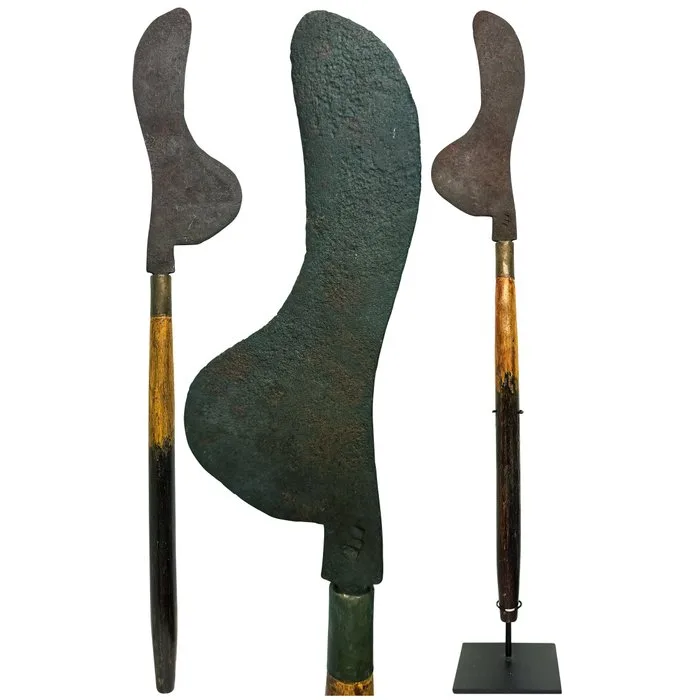
Large kudi Kabudhan, 20th century - Indonesia
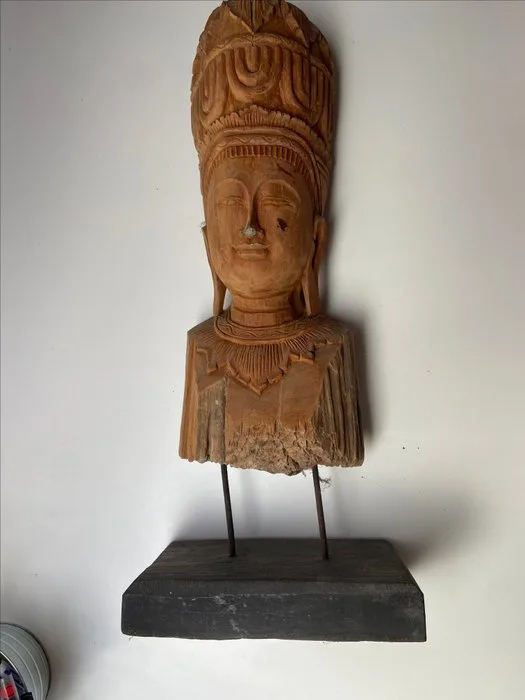
Hand-carved Wooden Bust of a Deity on Sokke - Wood - Thailand - 20th century
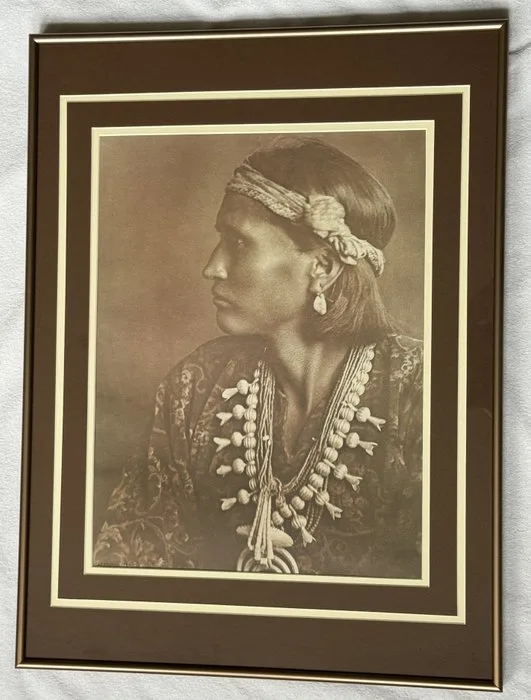
Do-Basin (Navajo Man) - Carl Moon - U.S
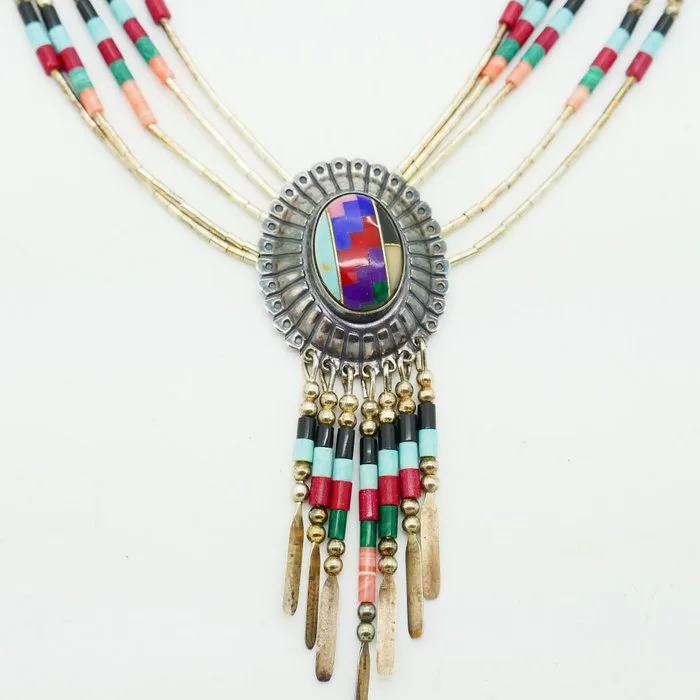
Quoc Turquoise Trading Post Albuquerque - Navajo - U.S
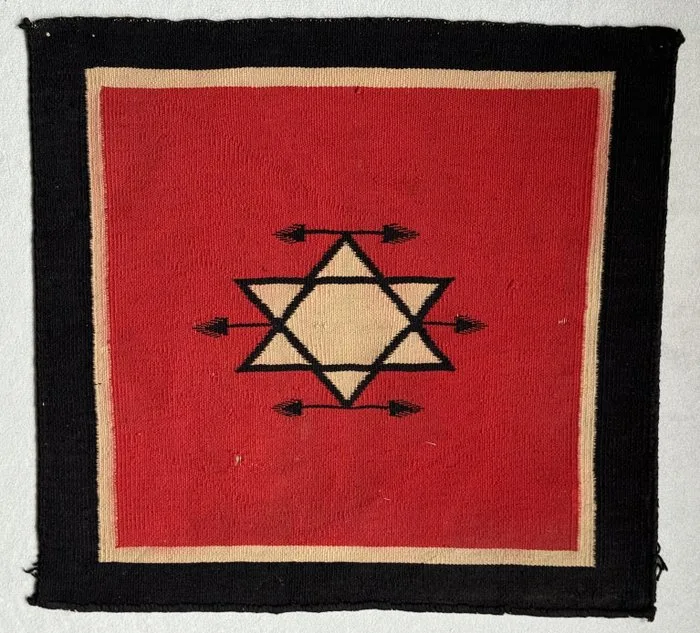
Saddle blanket - Navajo - U.S
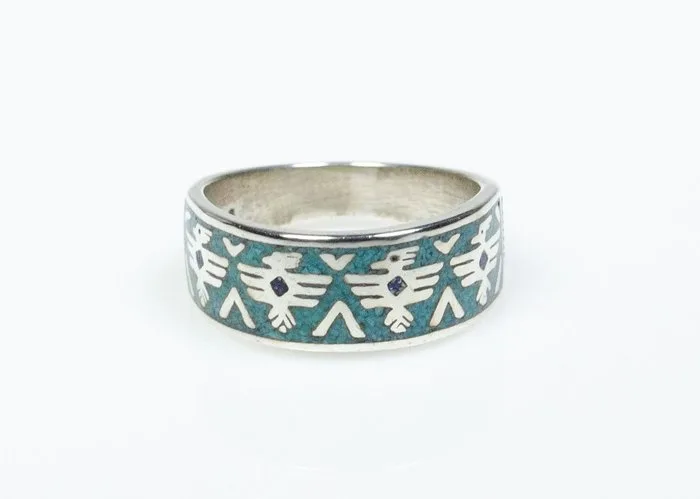
Ring - Stone Mosaic - Navajo - U.S
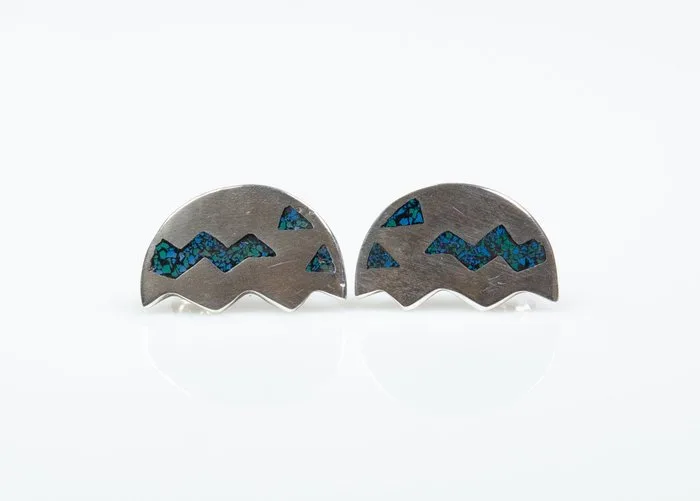
Earrings - Stone Mosaic - Navajo - U.S
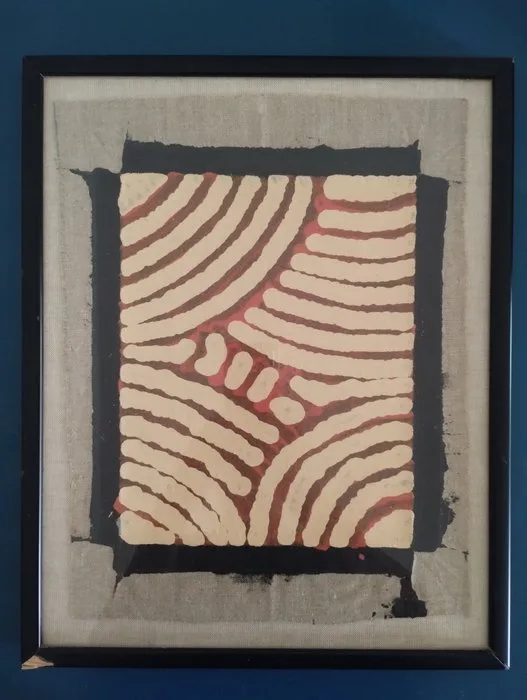
Women's Body Paint by Jeannie Bruno - Aboriginal - Australia
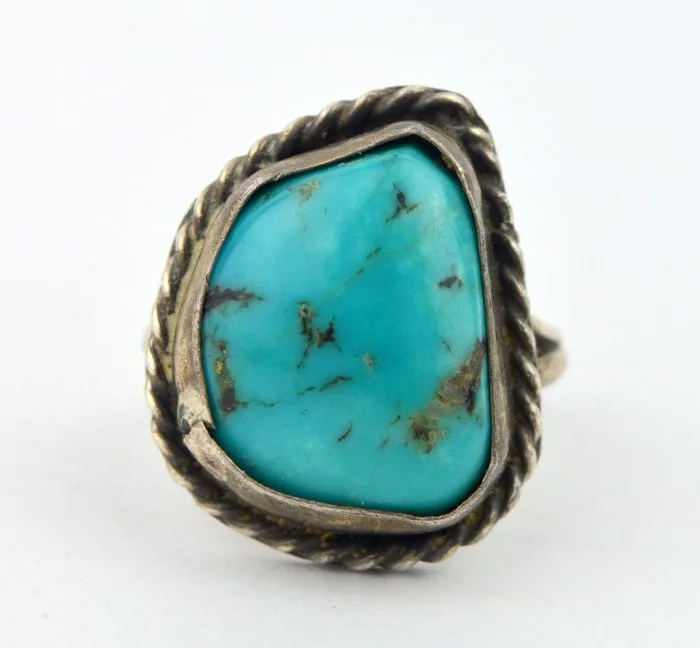
925 Silver Navajo ring - Blue Turquoise - United States
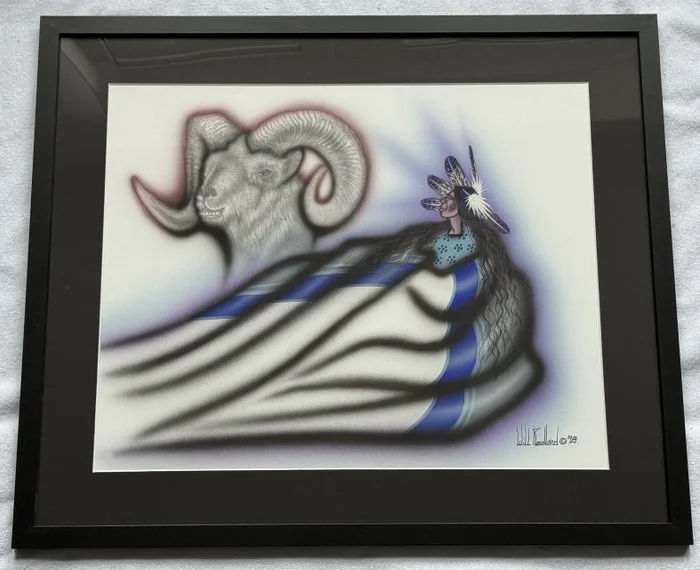
Bighorn Vision - Will Redbird - U.S
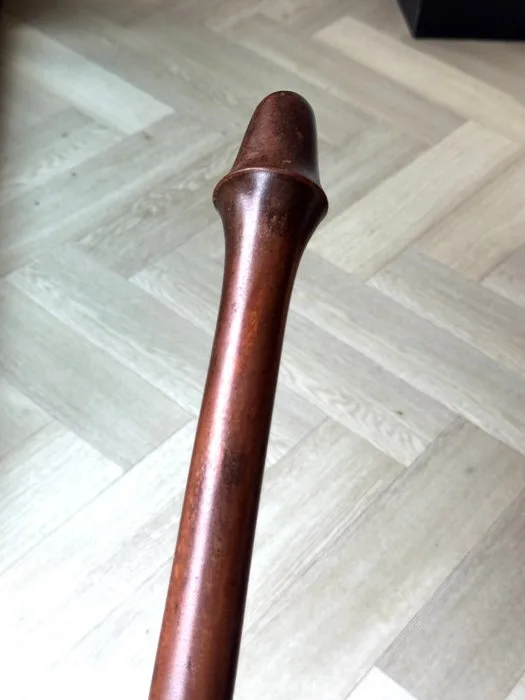
Mushroom-Head Club (Massue Phalliforme) - 50cm - Kanak - New Caledonia
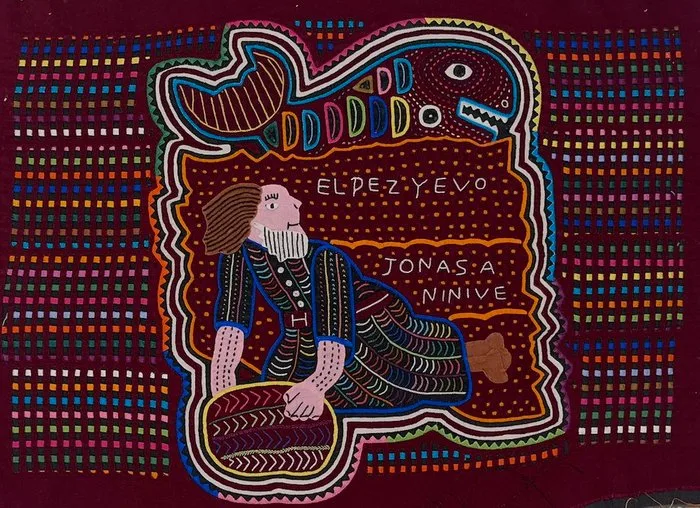
Embroidery - Art piece depicting Jonah and the whale (or great fish) - Kuna - Mola - Panama
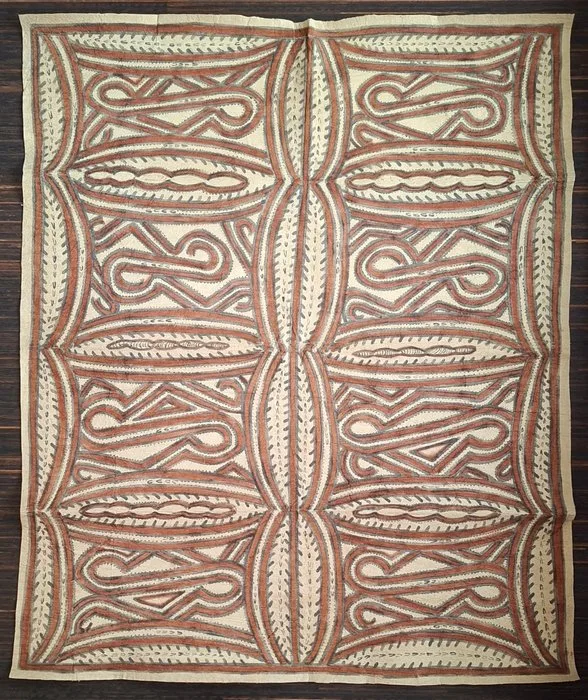
Tapa, Papua New Guinea Northern Province - Tapa - Papua New Guinea

Handle with ancestor figure Timor, second half of 20th century - Timor - Indonesia
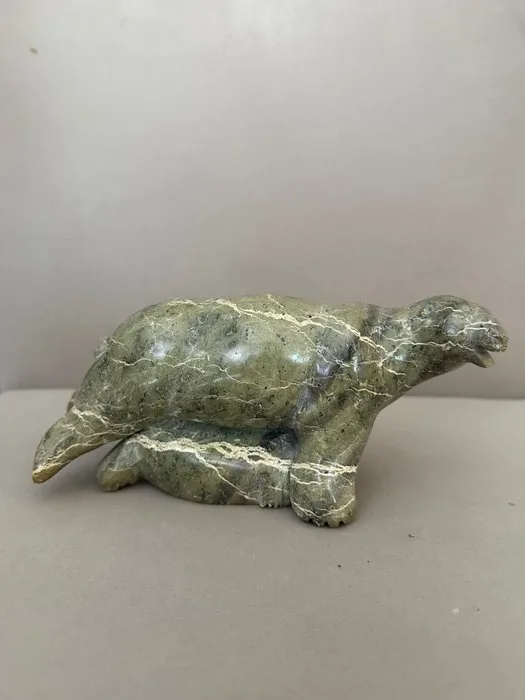
Mother Bear and Cub by Iziasie Kopalie / Iziassie Kopalie or Kopaulak - Canada
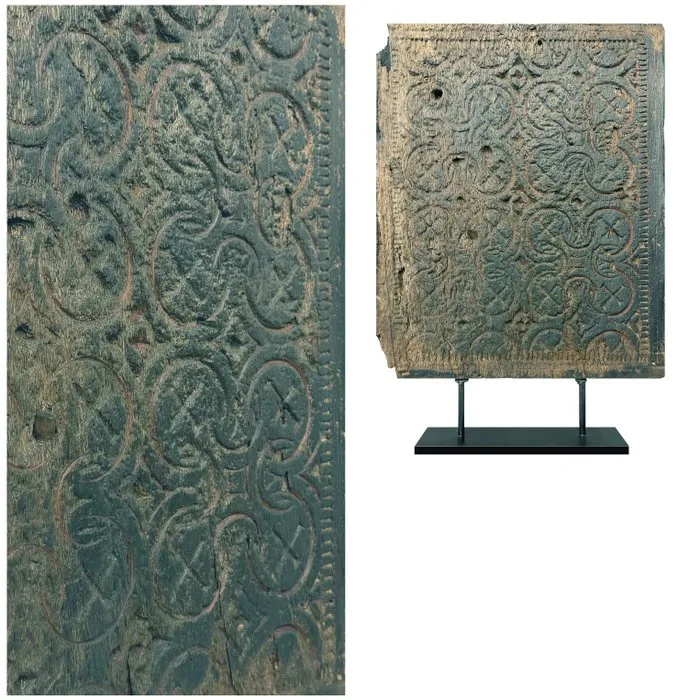
ERODED part of Balinese Temple wall panel - pintu kecil - Indonesia
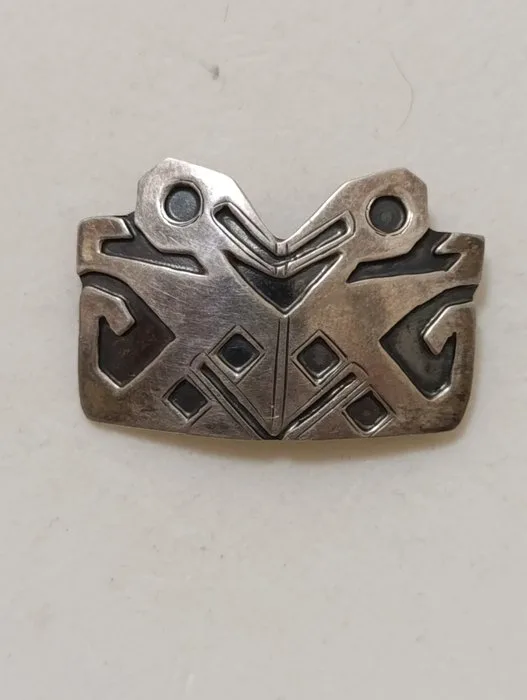
Spectacular brooch from the famous designer Graziella Laffi. - Zuni - Peru
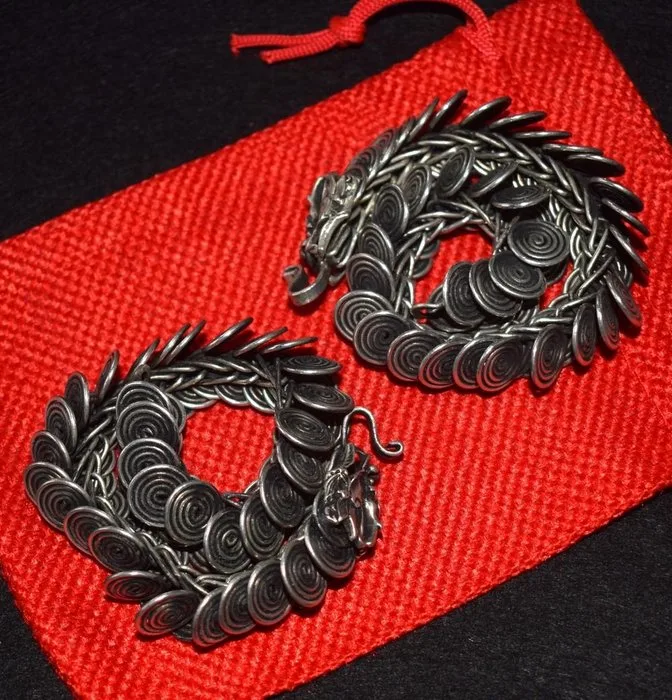
2 x Dragon Bracelets Miao - Hmong 105 g - Laos - Hmong Miao
What this section contains
This section brings together art from three broad regions. From the Americas: Navajo and Zuni silver and turquoise jewellery, Hopi basketry, Hohokam pottery, Inuit stone carving and Amazonian masks. From Oceania: canoe prows and carvings from Papua New Guinea, Maori figures from New Zealand and Aboriginal paintings from Australia. From Southeast Asia: Thai and Burmese Buddhas, Indonesian keris and guardian figures, batik textiles and Hmong (Miao) silver from Laos. Most pieces here are between €400 and €800.
Reading a listing
- Ethnic Group / Culture names the tradition, such as Navajo, Zuni or Maori.
- Origin gives the country, most often the United States or Indonesia.
- Authenticity shows whether an item is an original piece, a refurbished original or a licensed replica. Read this field before buying.
- Material covers silver, wood, teak, ceramic, bronze and cotton.
Native American jewellery
Navajo work is known for heavy silver and set stones; Zuni work for fine inlay and small cut stones. Look for a silversmith's hallmark on the back; many pieces are signed, but older ones often are not. Check stones for cracks and loose settings, and ring sizes where given.
Carvings and figures
For wood carvings, look for age cracks, insect damage and old repairs in the photos, and check the height given in centimetres. Most Oceanic carvings here are 20th century. Keep wood away from heat and direct sun.
Frequently asked questions
What is the difference between Navajo and Zuni jewellery?
Navajo silversmiths are known for heavier silver work, stamped designs and larger set stones, often turquoise. Zuni jewellers are known for fine lapidary work: mosaic and channel inlay, petit point and needlepoint settings of many small cut stones. Both traditions are from the American Southwest, and both often sign their work with a hallmark.
What is Hmong or Miao silver?
Hmong (also called Miao) silver is the traditional jewellery of the Hmong people of southern China, Laos, Vietnam and Thailand, made as bracelets, neck rings and ornaments. It is often called 'ethnic silver' because the silver content varies and is usually lower than sterling. Weight is often listed and gives a sense of how substantial a piece is.
What does 'licensed replica' mean in the Authenticity field?
It means the item is an authorised reproduction of an original design rather than an original piece. Items marked 'Original/official' are original works, and 'Refurbished original' means an original that has been repaired or restored. Always read this field, along with the description, so you know exactly what you are buying.
How old are the Oceanic carvings?
Most carvings from Papua New Guinea and New Zealand in this section are from the 20th century, and many listings give the period in the title, such as 'second half of 20th century'. Older pieces show deeper patina and more wear. If age matters to you, check the title and description and ask before buying.