Chinese Art
Chinese porcelain vases, bowls and plates, bronzes, jade and hardstone carvings, snuff bottles, seals and embroidered textiles, along with Buddhist figures from China and the Himalayas.
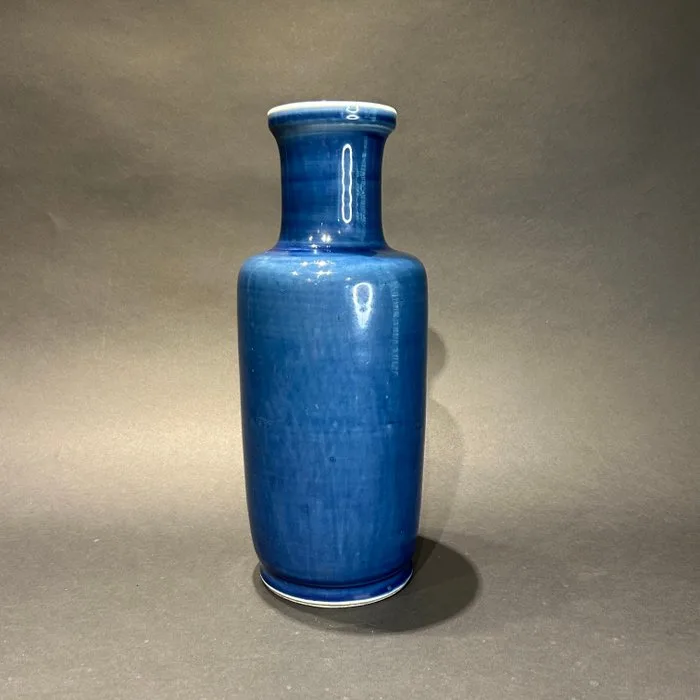
Lidded vase - Porcelain - China - Kangxi (1662-1722) - Kangxi powder-blue vase
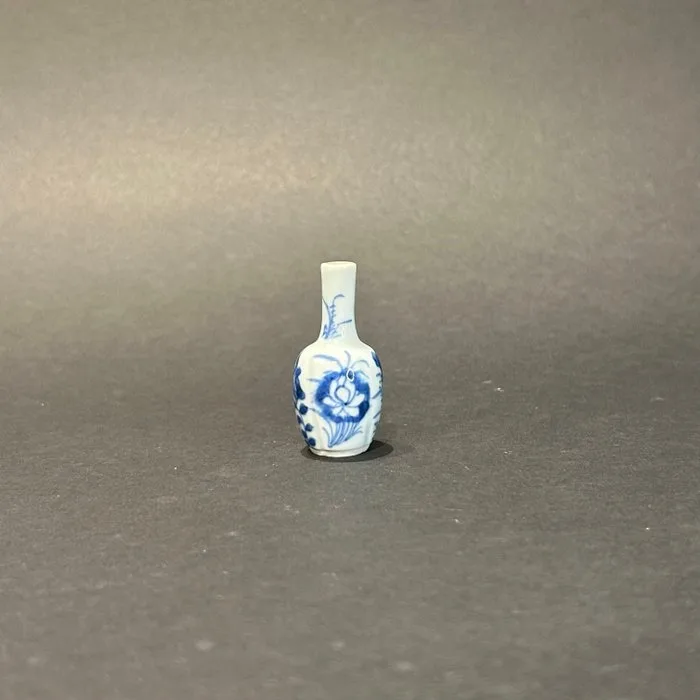
Vase - Porcelain - China - Kangxi (1662-1722) - miniature Kangxi vases
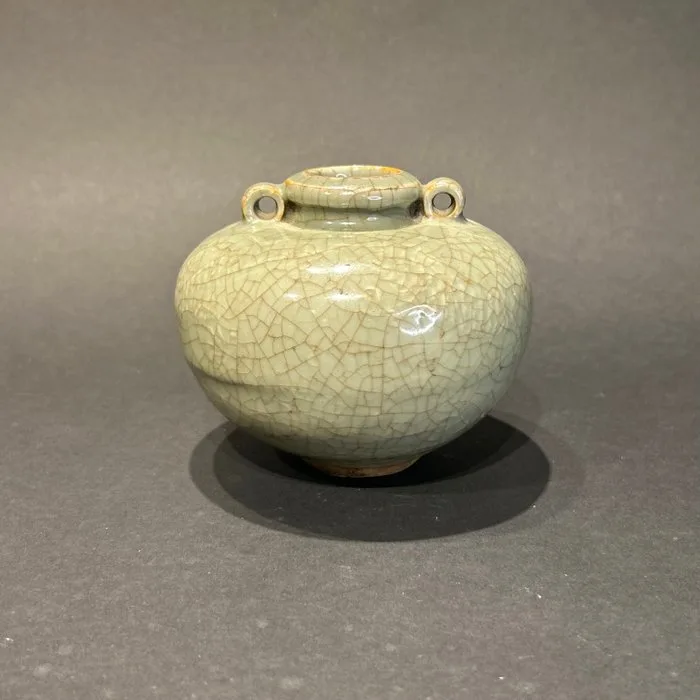
Pot - Earthenware - Ming water pot
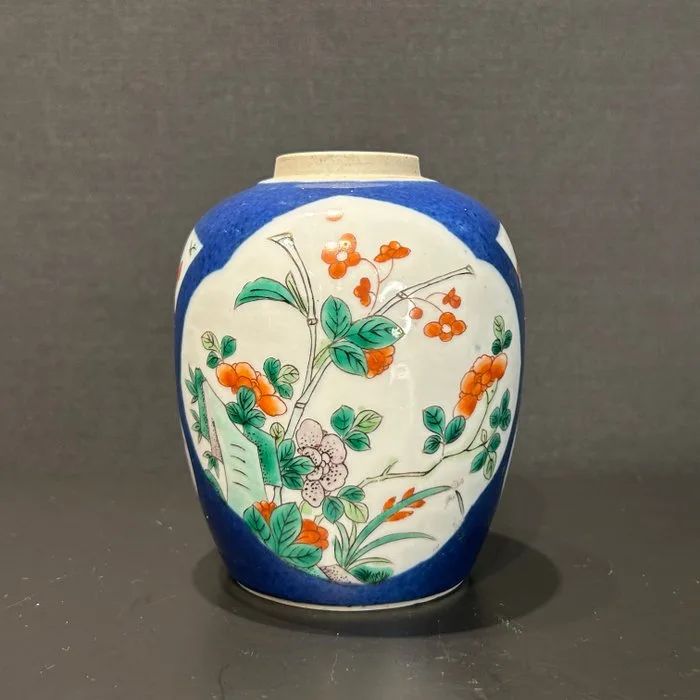
Lidded vase - Porcelain - China - Qing Dynasty (1644-1911) - Powder blue wucai jar
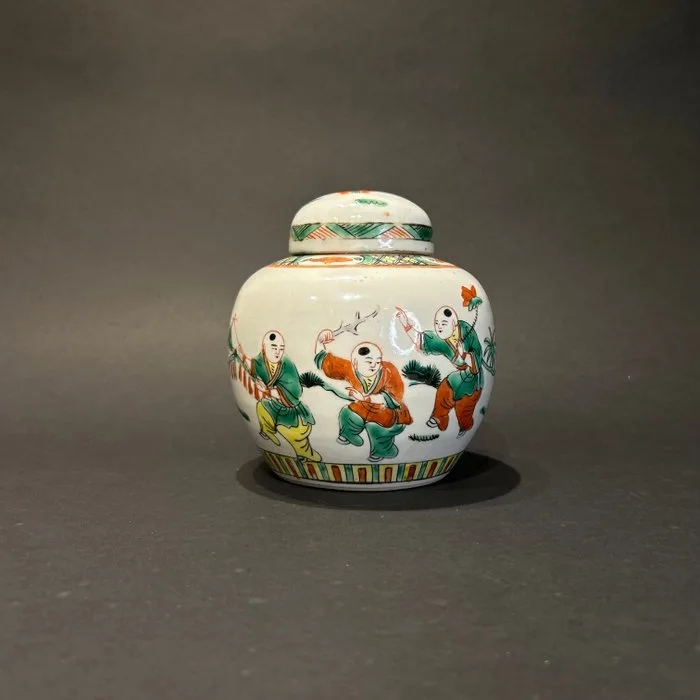
Lidded vase - Porcelain - China - Guangxu (1875-1908) - Vert family lid vase
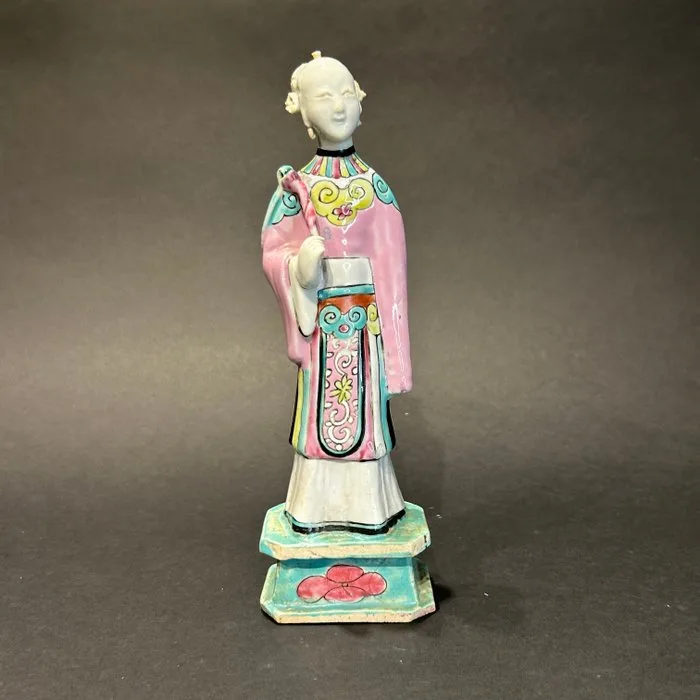
onsterfelijke taoïst - Porcelain - China - Yongzheng (1723-1735)
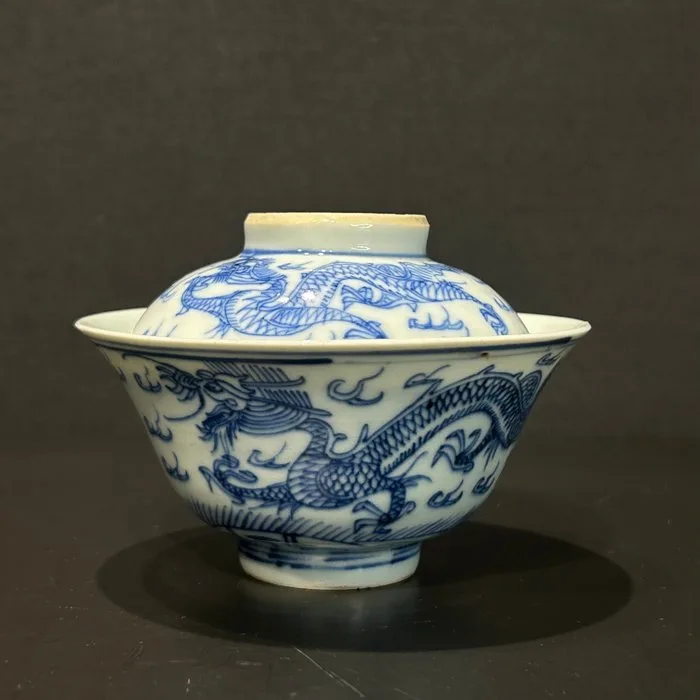
Cup and saucer - Porcelain - 18th Bleu de Hue cup
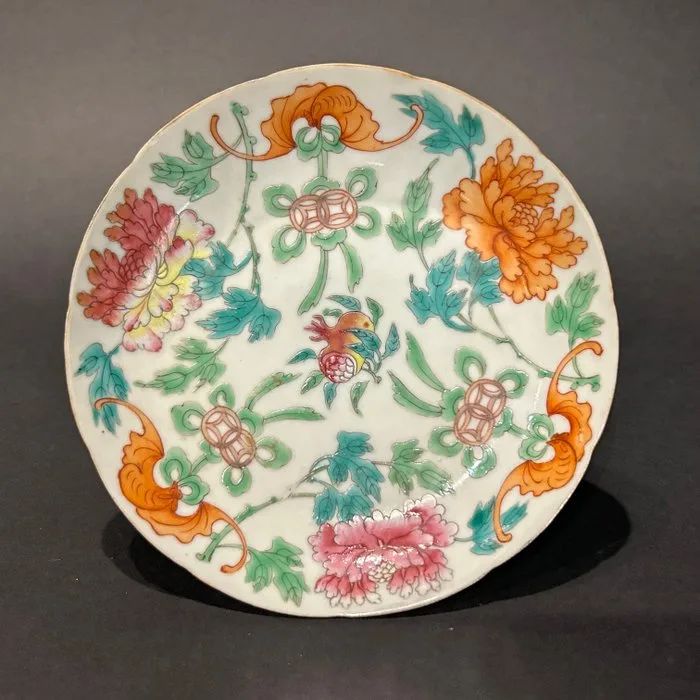
Dish - Porcelain - bat saucer
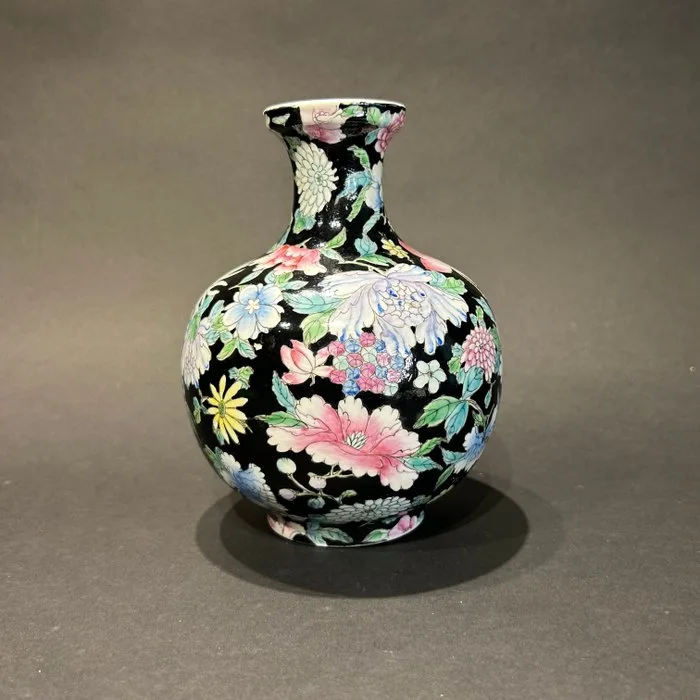
Vase - Porcelain - China - Qing Dynasty (1644-1911) - Thousand flowers, say fragrance
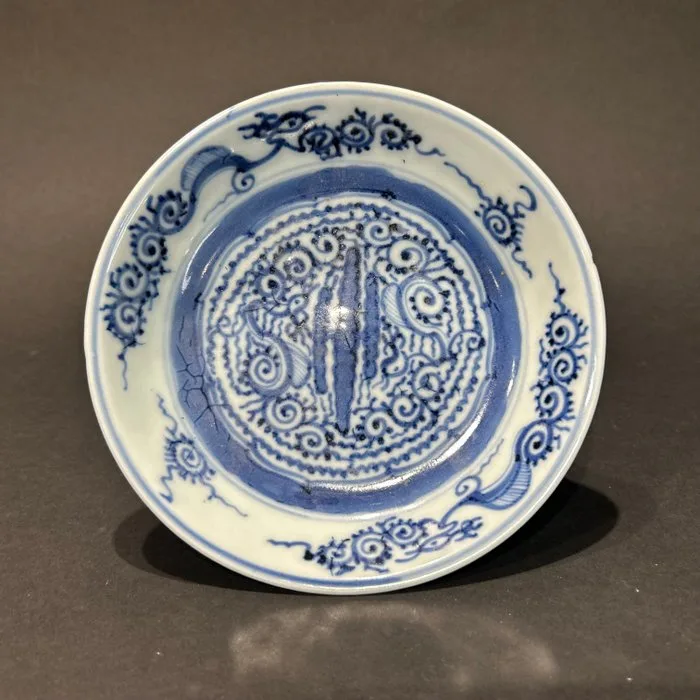
Plate - Porcelain - Ming porcelain brushwash
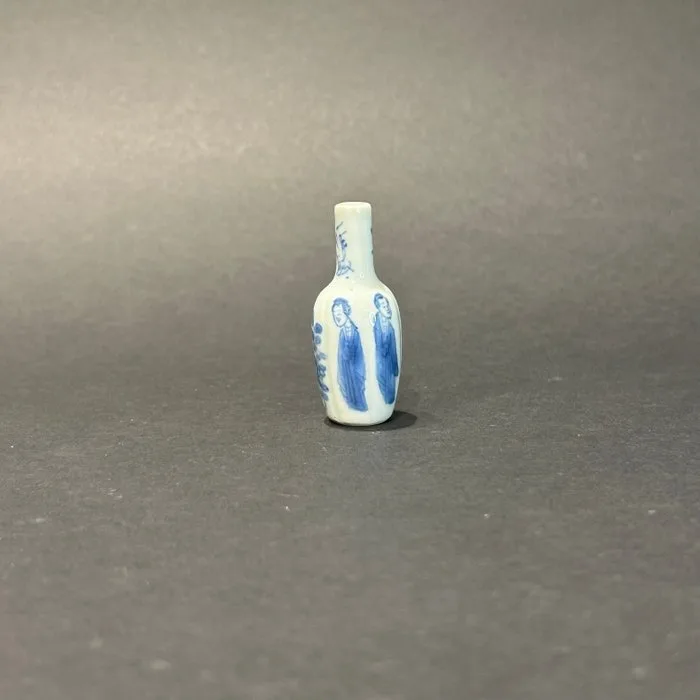
Vase - Porcelain - China - Kangxi (1662-1722) - miniature Kangxi vase
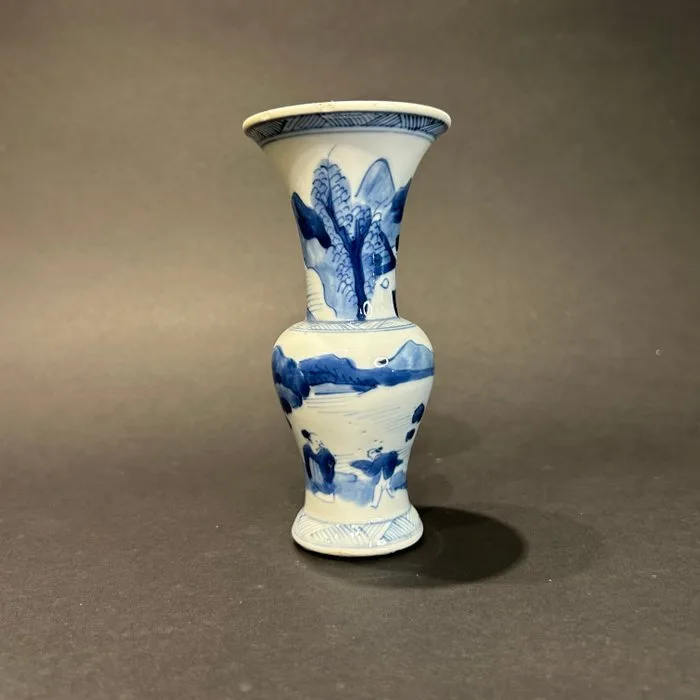
Vase - Porcelain - China - Kangxi (1662-1722) - Kangxi yen yen vase
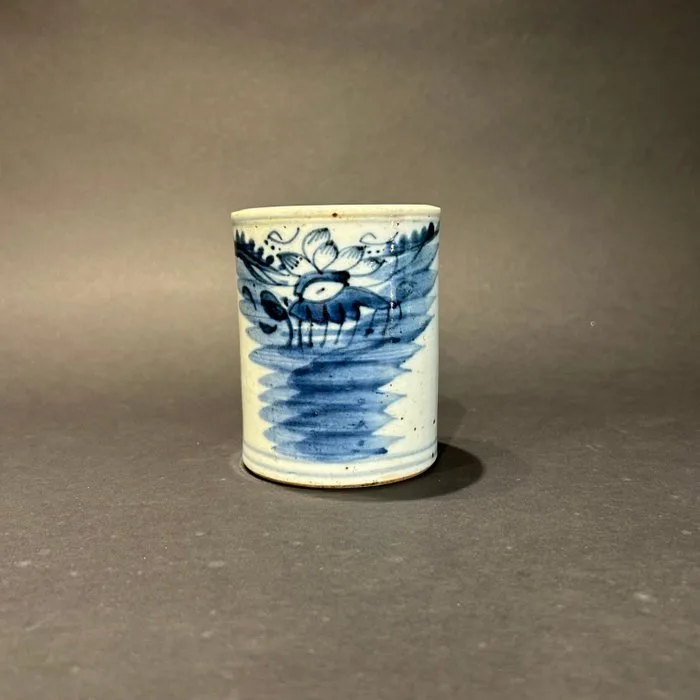
Brush pot - Porcelain
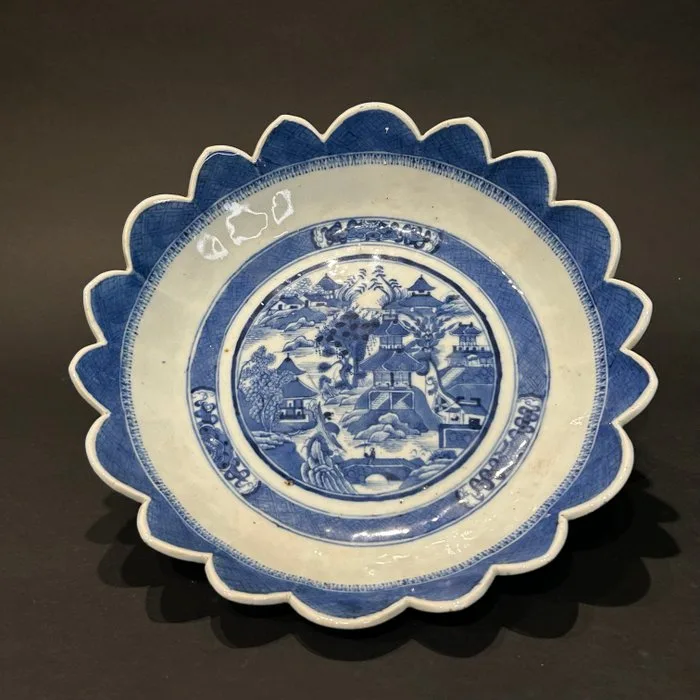
Plate - Porcelain - Qianlong fruit bowl
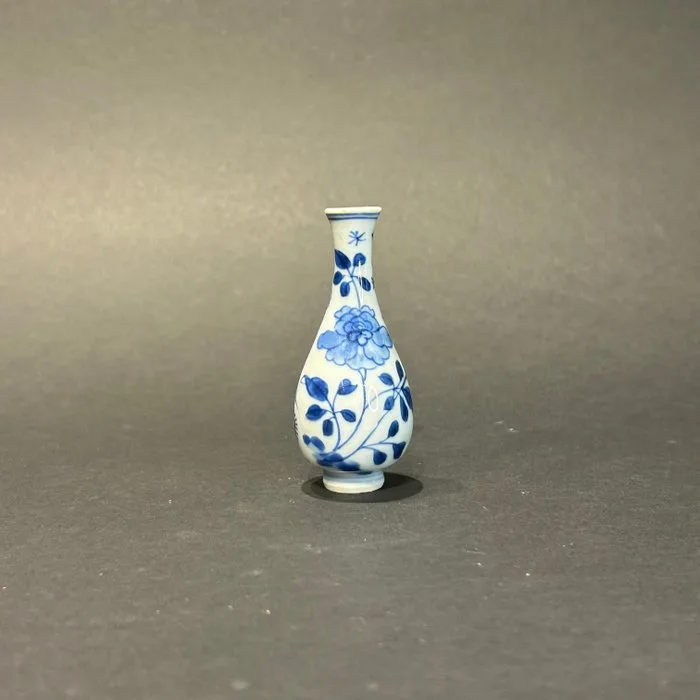
Vase - Porcelain - China - Kangxi (1662-1722) - Kangxi yuhuchunping vase
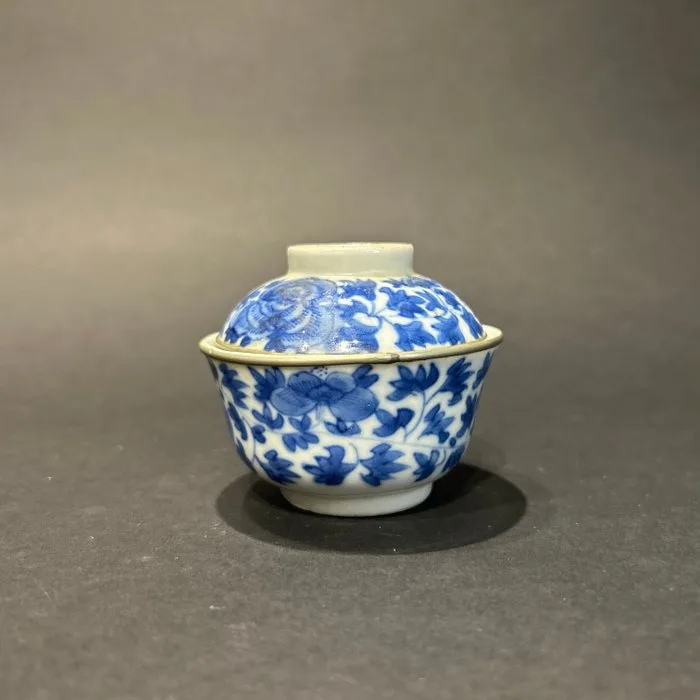
Cup and saucer - Porcelain - Bleu de Hue teacup
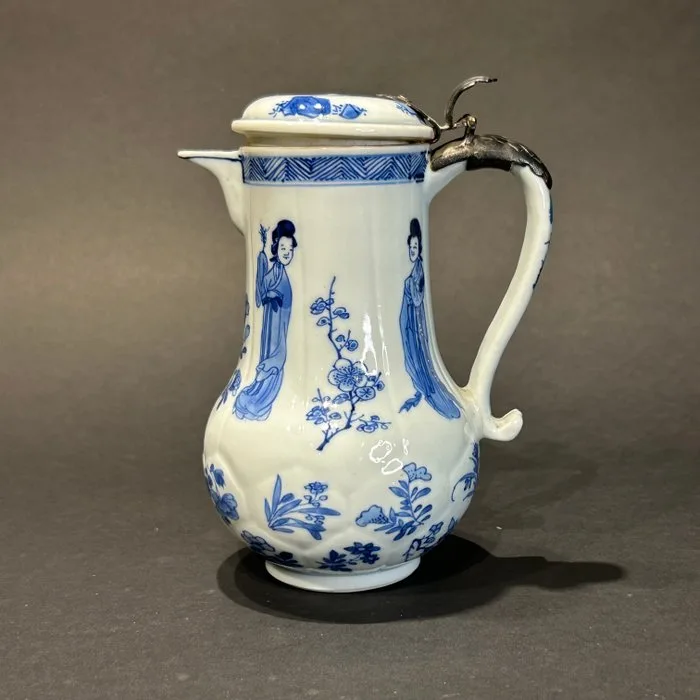
Ewer - Porcelain, Silver - Kangxi blue and white milk jug
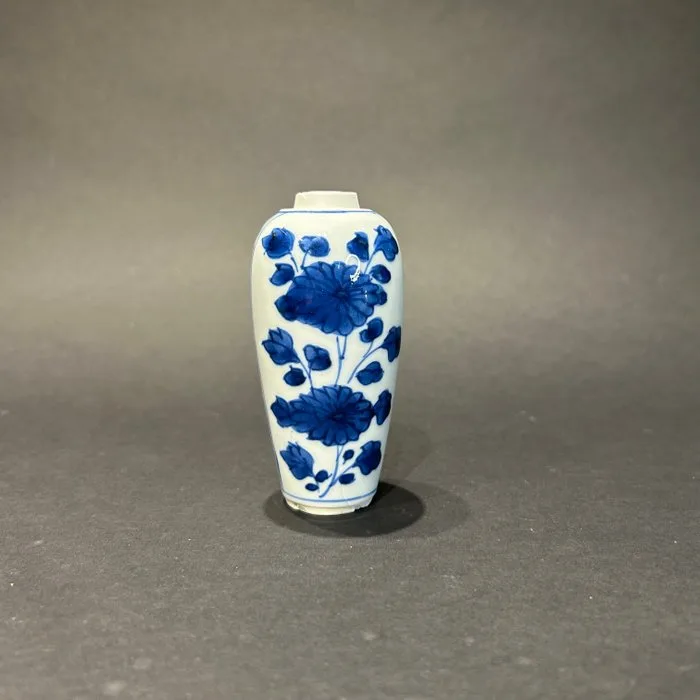
Vase - Porcelain - China - Kangxi (1662-1722) - Kangxi lidded vase
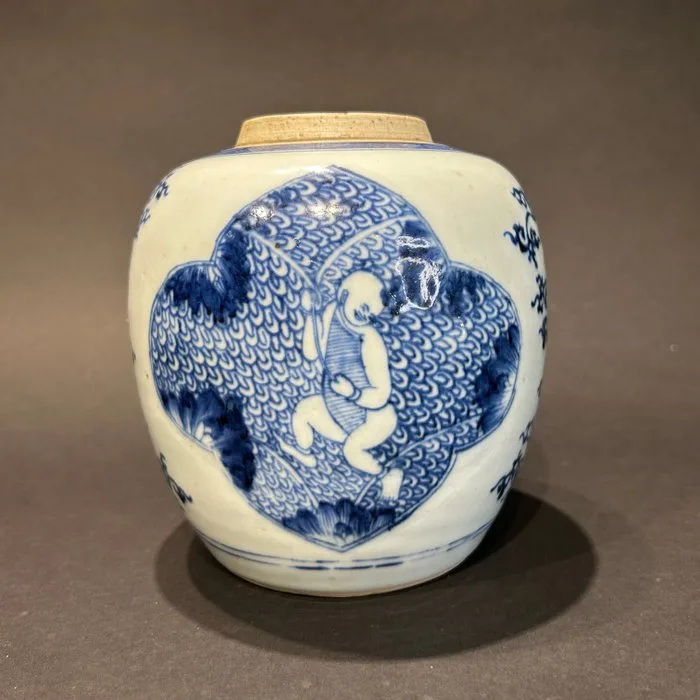
Lidded vase - Porcelain - China - Kangxi (1662-1722) - Kangxi crazy lid vase
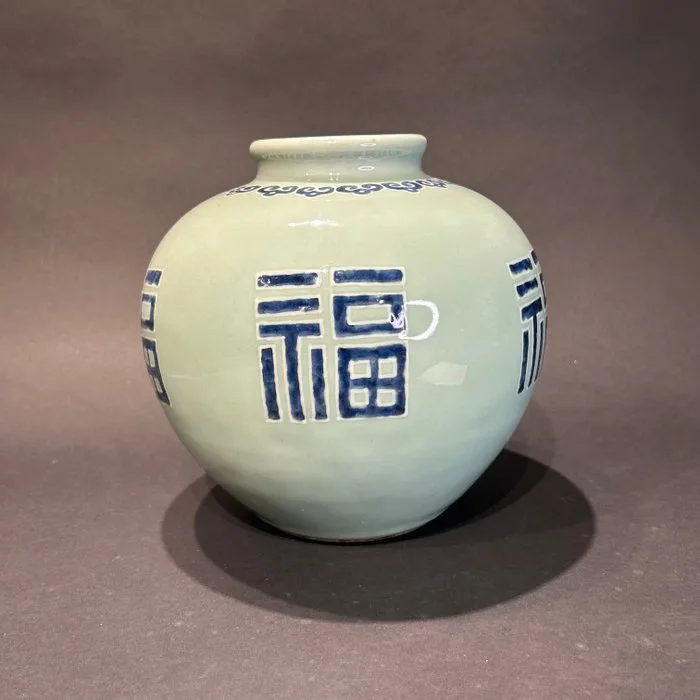
Jar - Porcelain - Qianlong mark and period
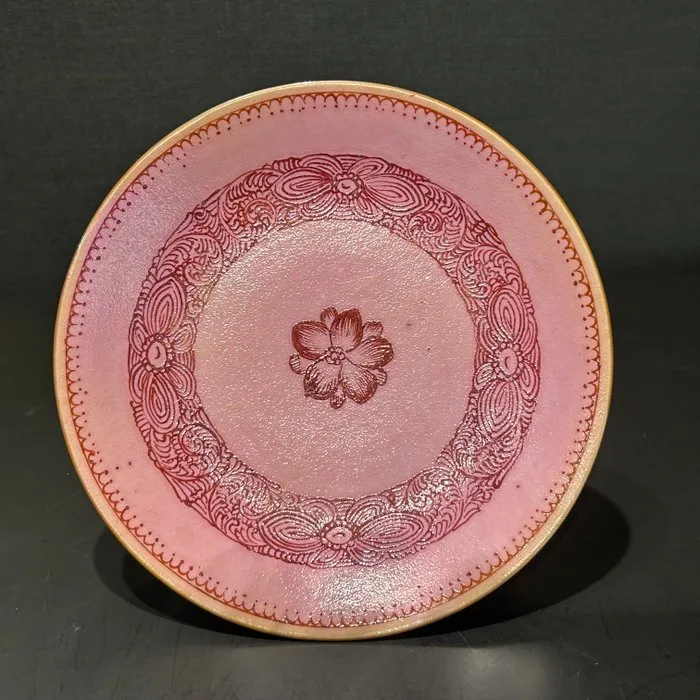
Plate - Porcelain - Jiaqing family rose table
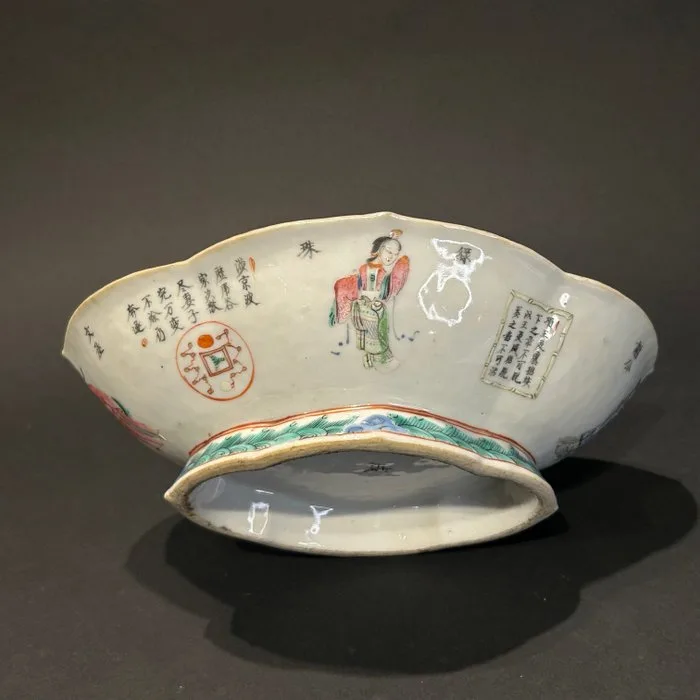
Platter - Porcelain
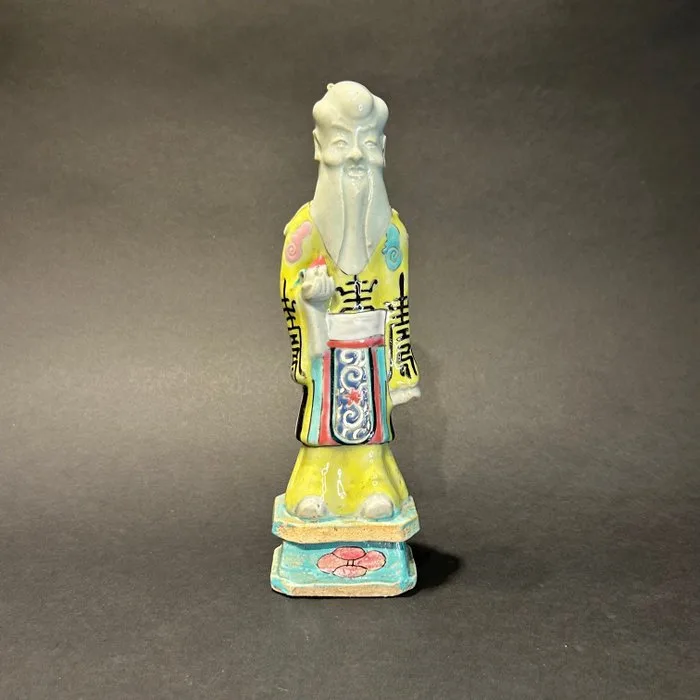
onsterfelijke taoïst - Porcelain - China - Yongzheng (1723-1735)
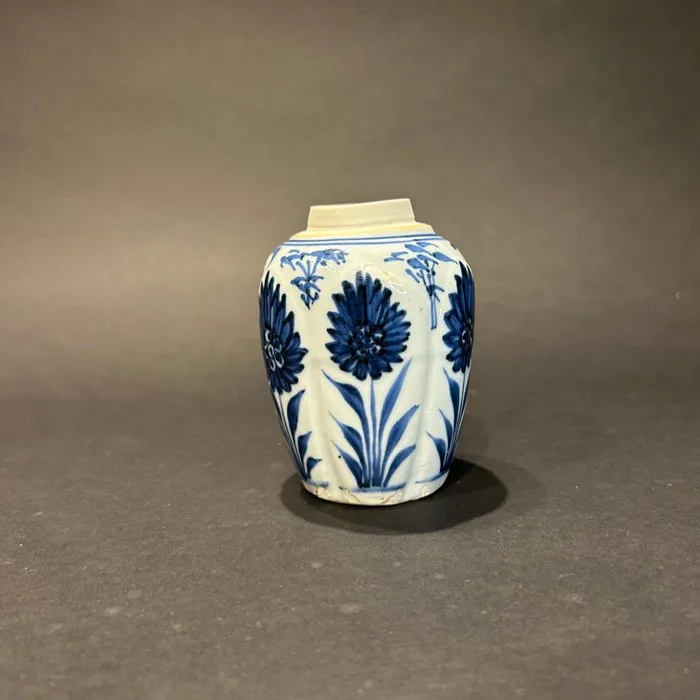
Vase - Porcelain - China - Kangxi (1662-1722) - Kangxi flower vase
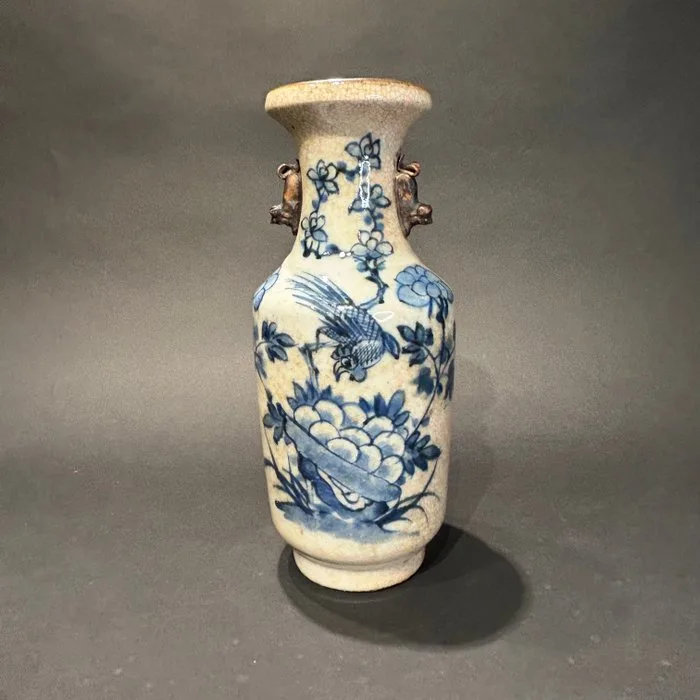
Vase - Porcelain - China - Qing Dynasty (1644-1911) - Nanking residence
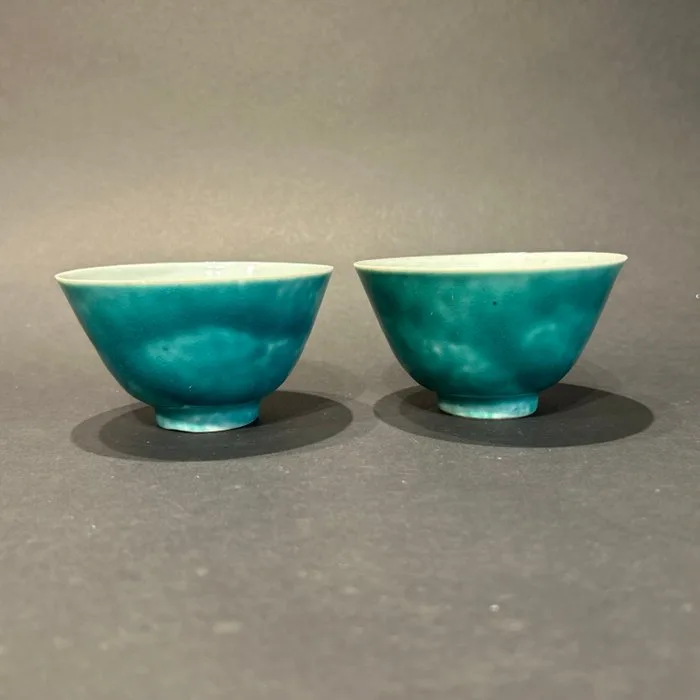
Cup and saucer - Porcelain - set thongzhi teacups
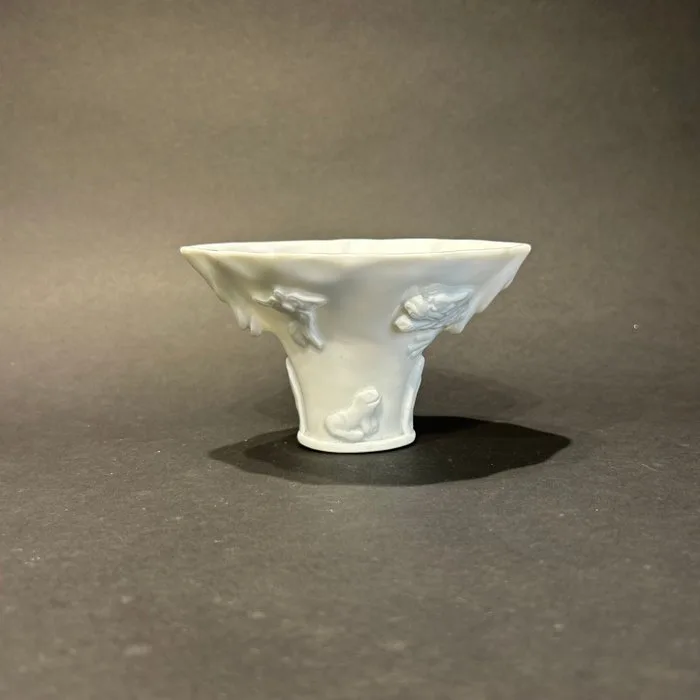
Cup and saucer - Porcelain - Dehua Guanxu wine cup
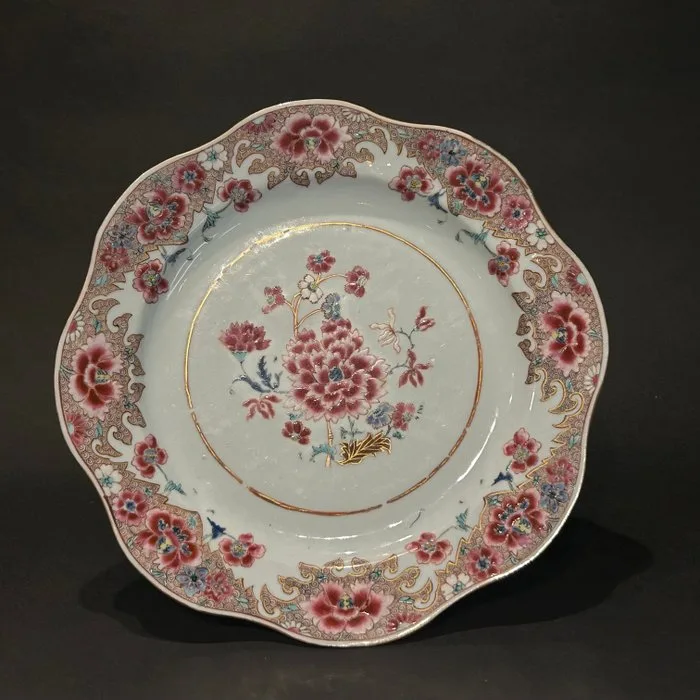
Plate - Porcelain - fam rose yongzheng bord
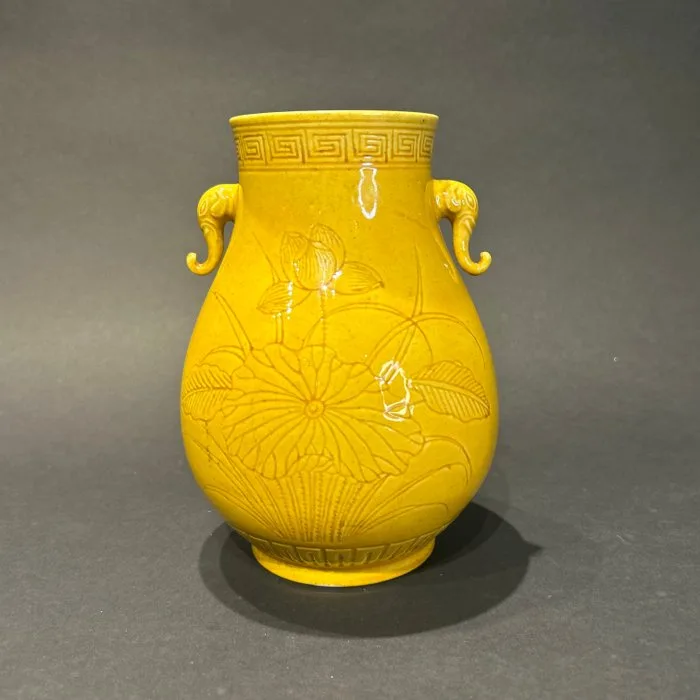
Plate - Porcelain - Yellow deerhead vase
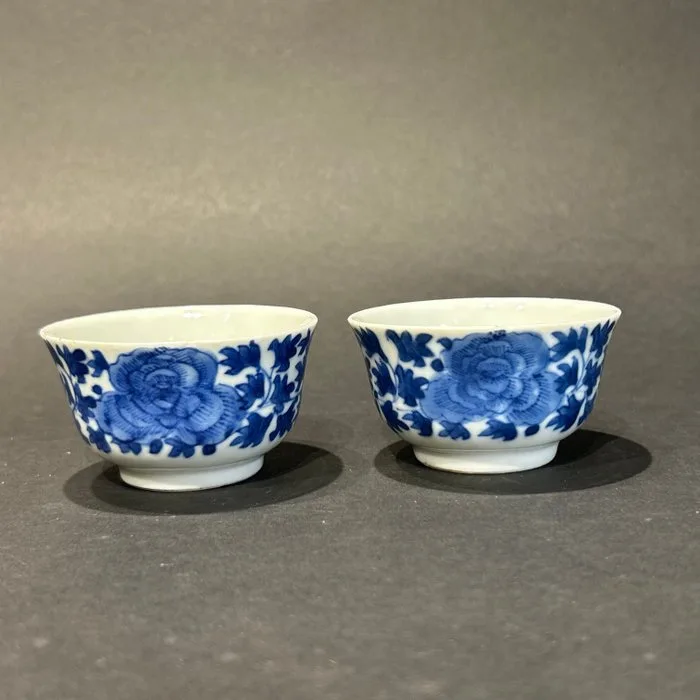
Cup and saucer - Porcelain - Bleu de Hue teacups
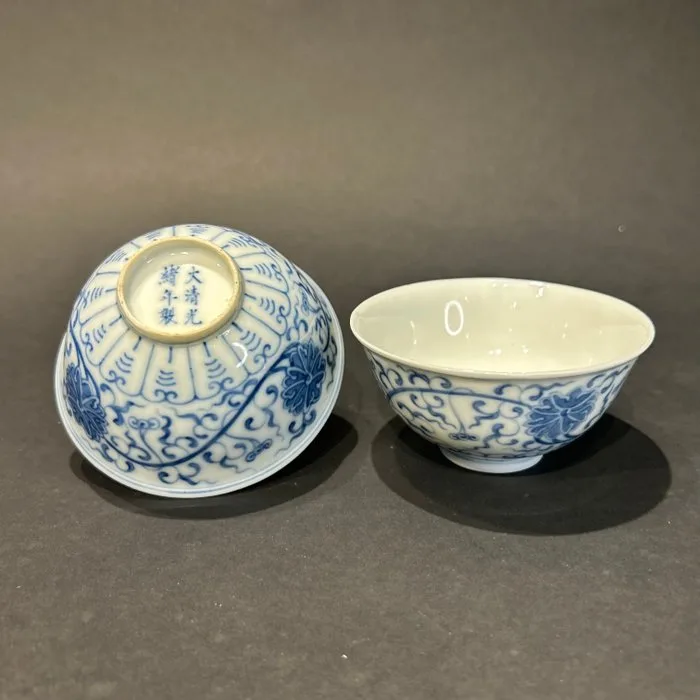
Cup and saucer - Porcelain - Guanxu brand teacups
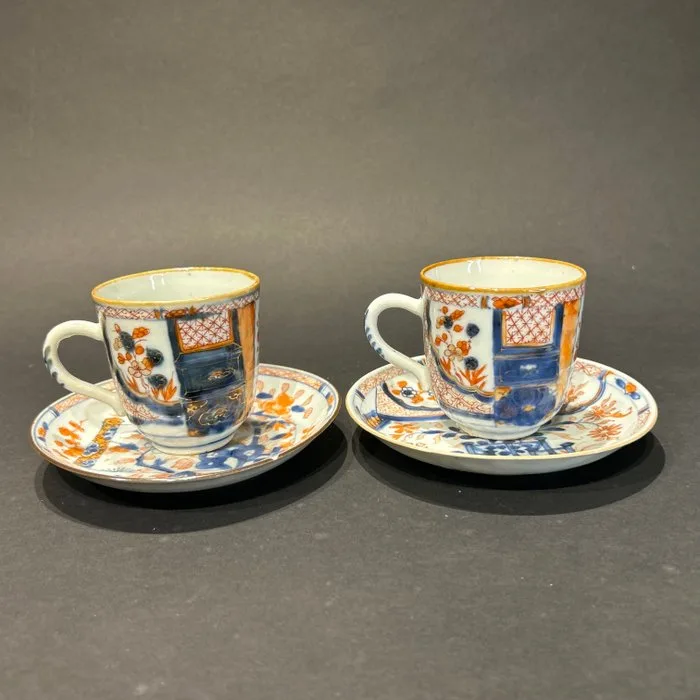
Cup and saucer - kop en schotel - Porcelain - Kangxi cup and saucer
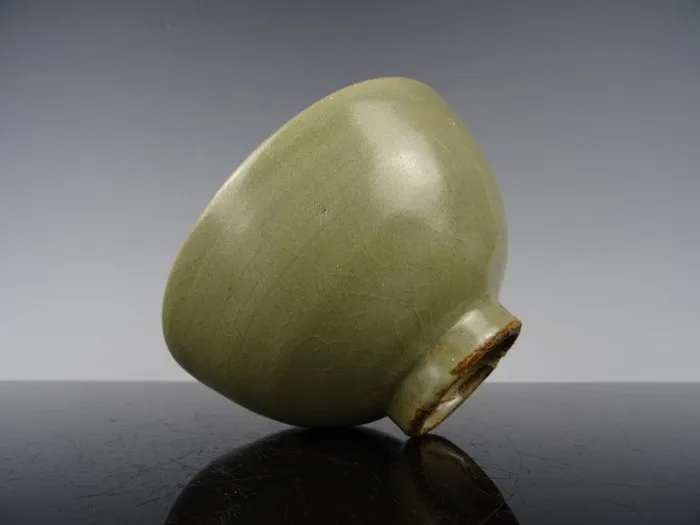
Bowl - Porcelain - Yuan Dynasty 1279–1368
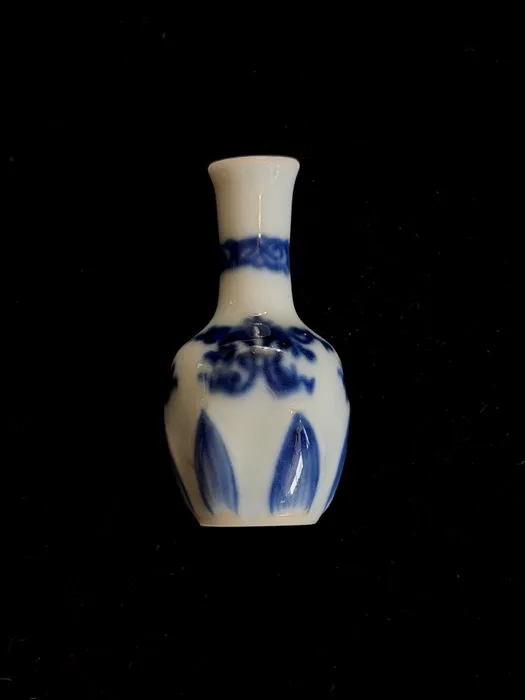
Dollhouse vase - Porcelain - China - Kangxi (1662-1722)
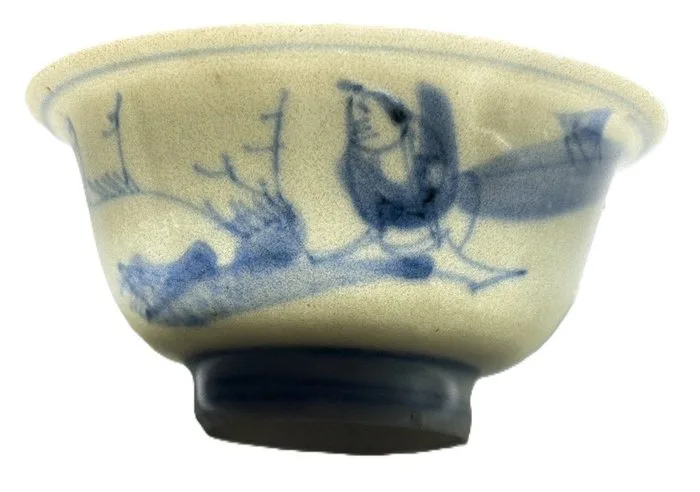
Cup (2) - Pair of Chinese Transitional Blue & White Miniature Stem Cups, c.1640, ex-Hatcher Shipwreck - Ceramic
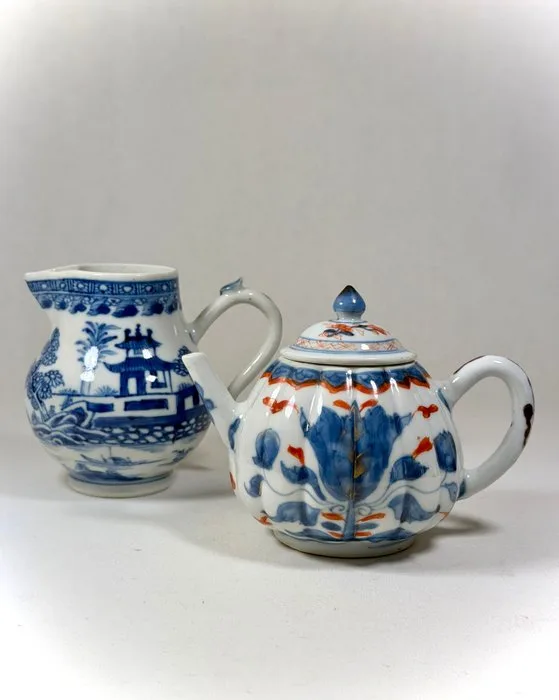
Teapot and milk jug - Porcelain - China - 18th Century
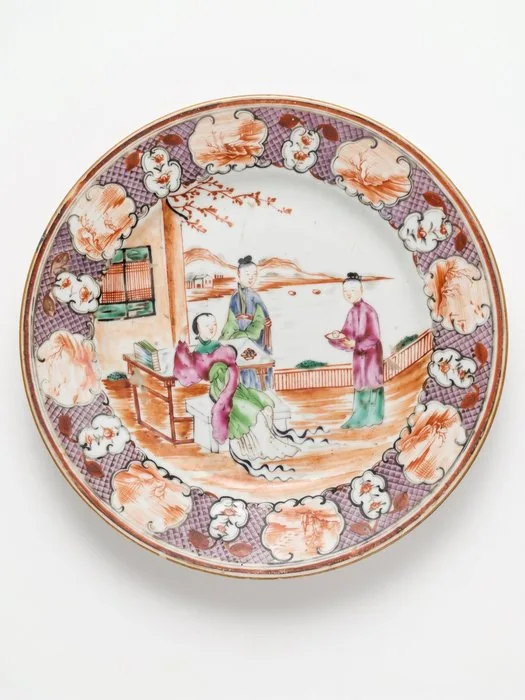
Dish - Porcelain - China Canton Family Rose
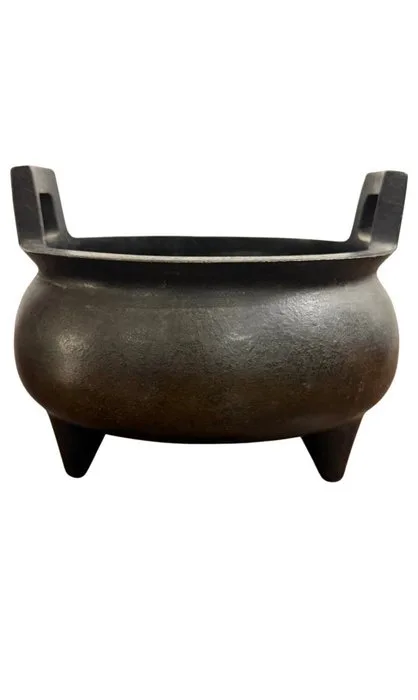
Qing Dynasty, 19th Century Bronze Tripod Censer with “Yutang Qingwan” (玉堂清玩) Mark - Bronze - China - Qing Dynasty (1644-1911)
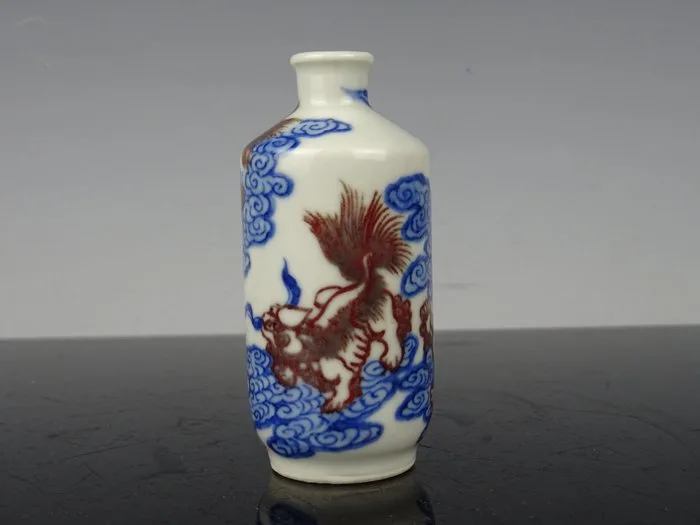
Snuff bottle - Porcelain
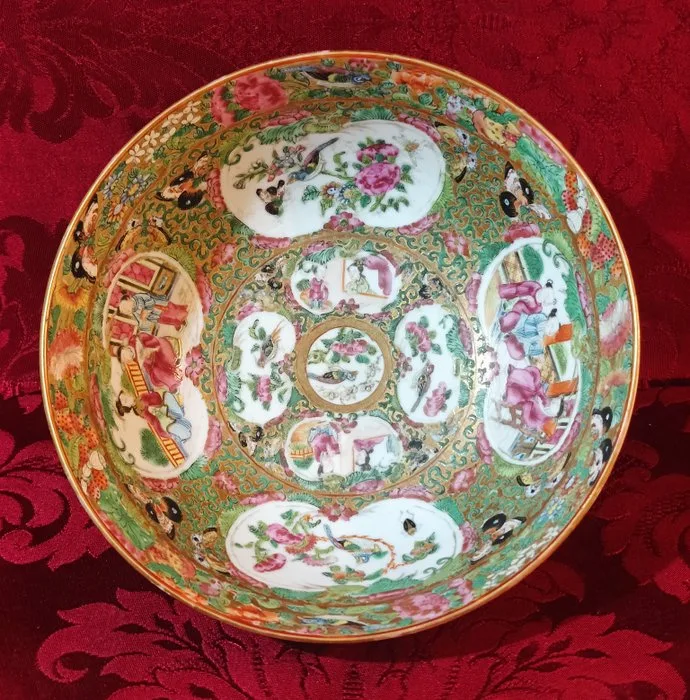
Bowl - Porcelain, Enamel - Canton, Rosa Family XIX
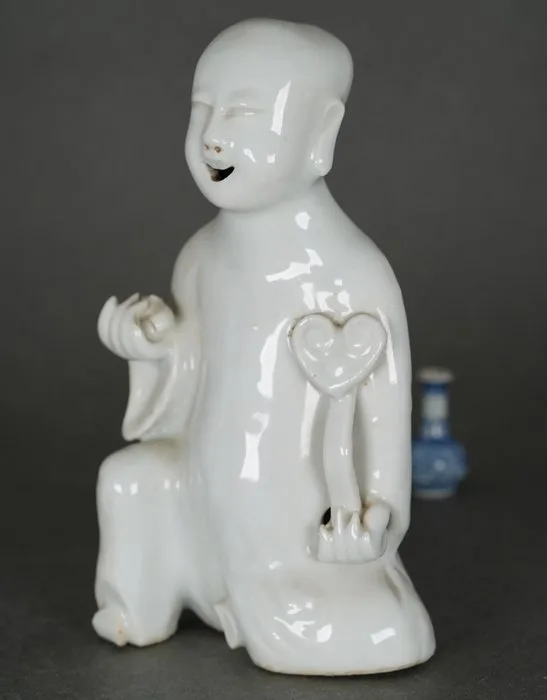
Kangxi (1662-1722) - Figurine - Seated Boy holding a Peach and Ruyi Scepter - Incense Burner (7 Smoke Holes on the Head, Back and - Porcelain
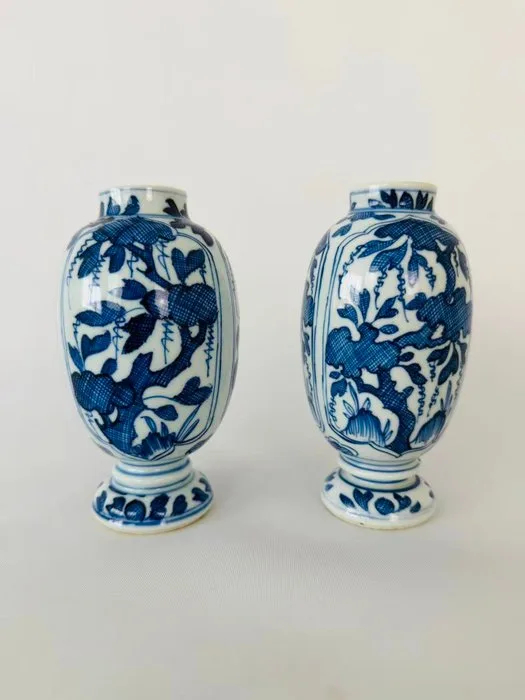
Pair of Kangxi Period Blue-and-White 'Grapes & Floral' Lotus-Bud Jars - Porcelain - China - Qing Dynasty (1644-1911)
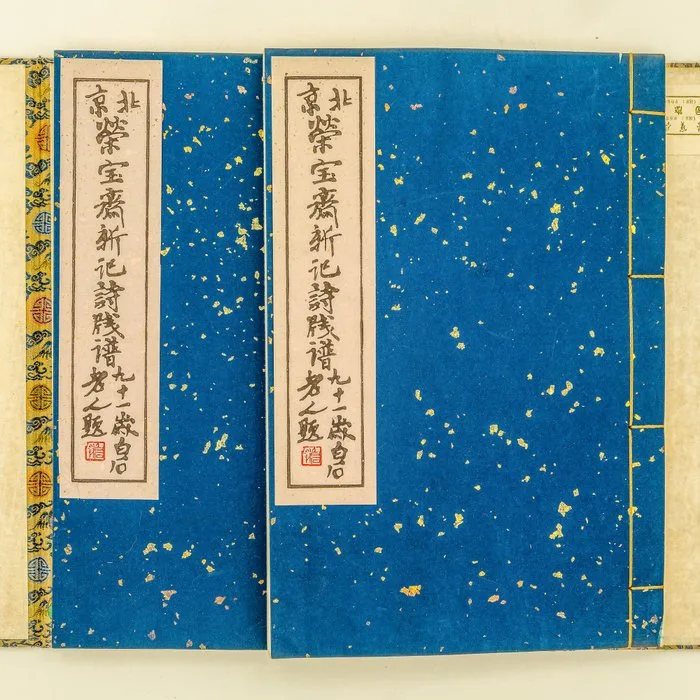
Bois gravés chinois anciens - CHIN PAI-SHIH- China - Dynasty of the Tchin
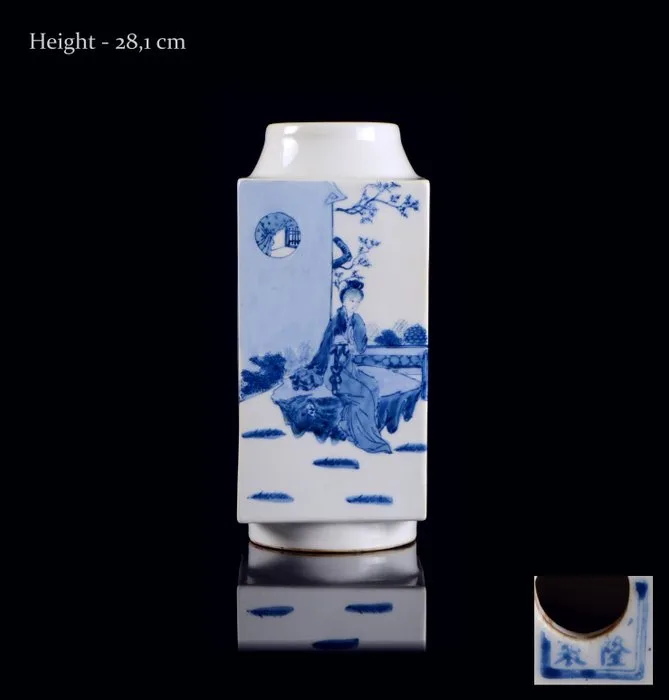
A big Chinese 'Ladies' blue and white cong vase - Porcelain - China - Qing dynasty (大清), 19/20th c., Guangxu (1875-1908, 光緒) period
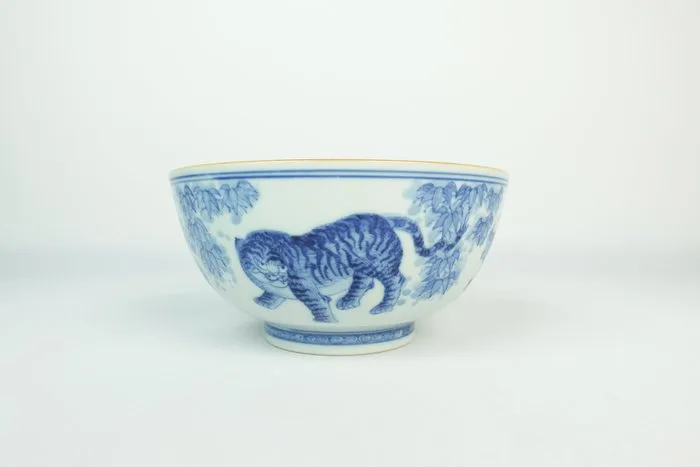
Blue-and-White 'Tiger & Dragon' Bowl - Porcelain - China - Republic period (1912-1949)
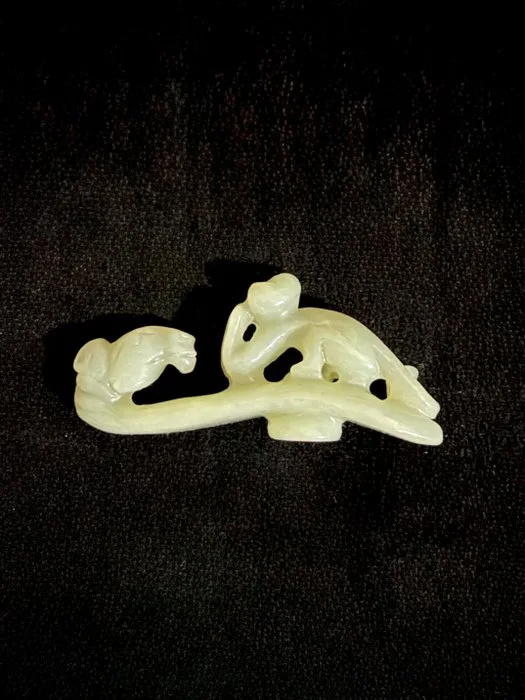
Buckel - Jade - China - Late 20th century
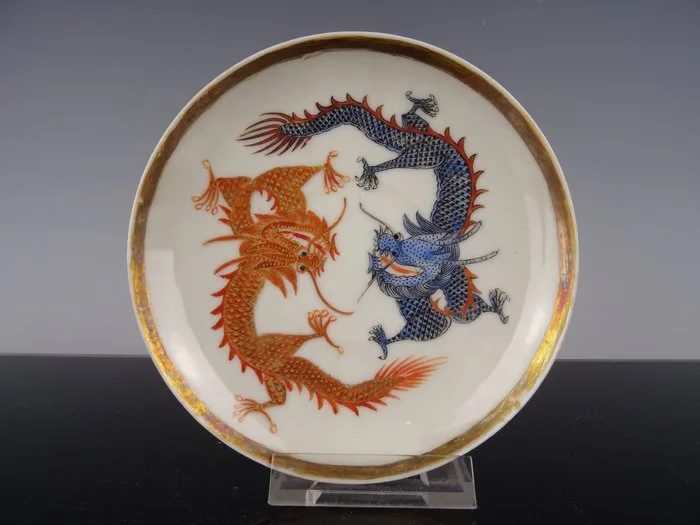
Plate - Porcelain - 18th/19th century
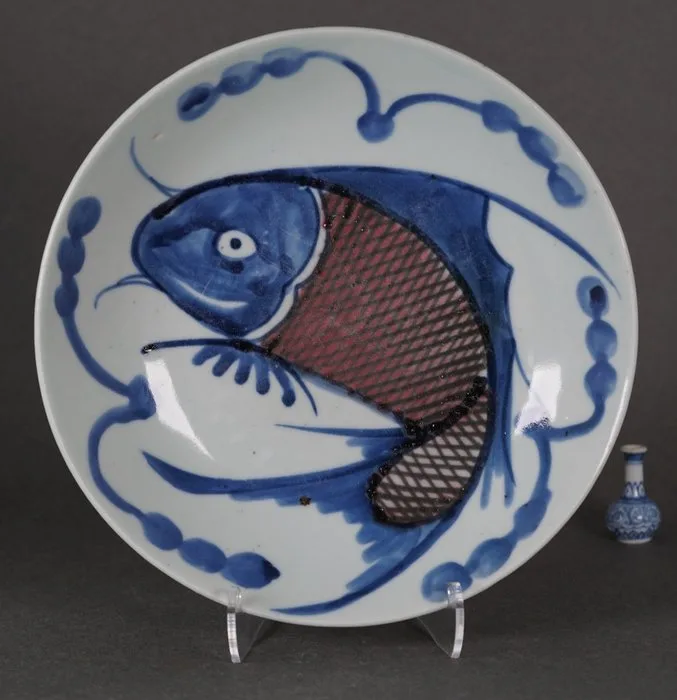
Jiaqing (1796-1820) - Bowl - Large Copper Red Glazed Fish Amidst Water Plants - Four Character Mark - ca. 1800 - Porcelain - Large Shallow Bowl
What this section contains
Most pieces here are porcelain: blue-and-white and famille rose vases, jars, bowls, plates and teacups. There are also bronze censers and Buddha figures (some from Nepal and Tibet), jade and soapstone carvings, snuff bottles, seals, cloisonné, lacquer and embroidered silk panels. Most pieces here are between €400 and €2,400.
Dynasties and reigns
- Ming Dynasty (1368-1644)
- Qing Dynasty (1644-1911), including the reigns of Kangxi (1662-1722), Yongzheng (1723-1735) and Qianlong (1736-1795)
- Republic period (1912-1949)
Reign marks and 'brand'
Many Chinese pieces carry a reign mark on the base naming an emperor. Marks were widely copied in later periods, both as homage and for trade. A title that says Qianlong brand or Kangxi mark means the piece carries that mark, which is not the same as being made in that reign. Where a listing states a period such as Qing Dynasty or Kangxi (1662-1722), that is the dating given for the object itself. Read the title and description carefully.
Condition to check
Porcelain is described from Excellent to Fair condition. Look in the photos for chips, hairline cracks, firing flaws, wear to gilding and old repairs. Frits (tiny glaze chips at the rim) are common on Kangxi-era export wares. For bronzes, a stable patina is normal; for jade, check edges for nibbles. Measurements are given as height, width and depth in centimetres.
Frequently asked questions
What does 'Qianlong brand' or 'Kangxi mark' mean?
It means the piece carries a mark on its base naming that emperor's reign. Chinese potters often added earlier reign marks to later pieces, so a mark alone does not date an object. Where a listing gives a period, such as Qing Dynasty (1644-1911), that is the dating for the piece itself; a mark mentioned without a period should be read as the mark only.
What is famille rose porcelain?
Famille rose is Chinese porcelain decorated with overglaze enamels that include an opaque pink, introduced in the early 18th century and popular through the Qing Dynasty and after. It is known for soft, shaded colours, often with flowers, birds or figures. Blue-and-white porcelain, by contrast, is painted with cobalt under the glaze.
How do I check old porcelain for damage?
Look closely at the rim, foot and any handles in every photo. Hairline cracks show as thin dark lines; chips and frits break the glaze at edges; restoration can look slightly duller or differently coloured. Gently tapping a bowl produces a clear ring if it is sound. The listing's condition field and description note known faults.
How much do pieces in the Chinese Art section cost?
Most pieces here are priced between about €400 and €2,400, depending on age, size, decoration and condition. Later decorative porcelain and small items sit at the lower end; larger Qing-period vases and fine bronzes sit higher. Shipping is free on every order, and fragile items are packed for transit.