Indian & Islamic Art
Hindu bronze figures, keris and jambiya daggers, Islamic brass and calligraphy, tiles, textiles and traditional silver jewellery from India, the Middle East, North Africa and Indonesia.
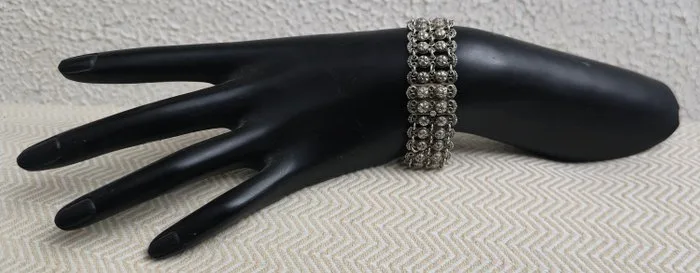
Silver, Beautiful goldsmithing work. Collection. - Bracelet
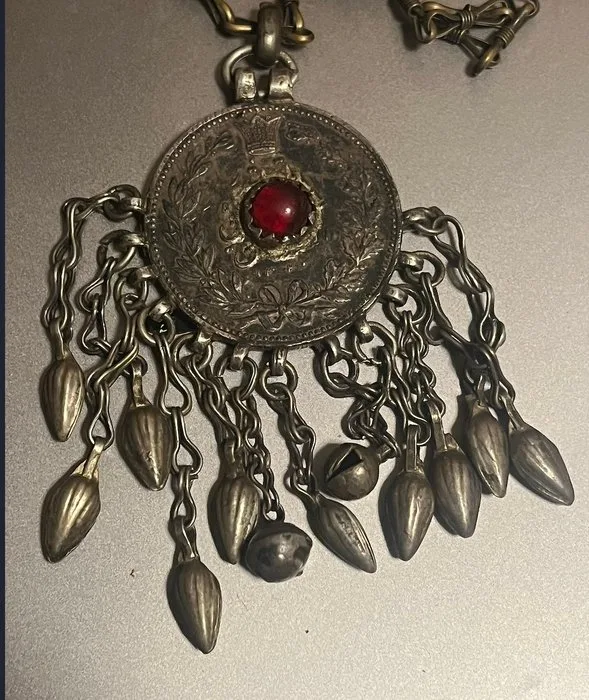
Qajar art, 19th-century silver, 900 silver, Orientalist. - Qajar dynasty (1796–1925)
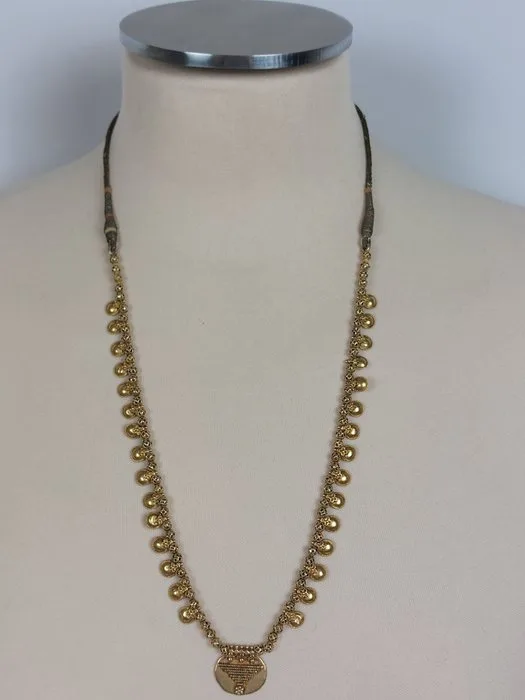
14 kt. - Yellow gold - Necklace
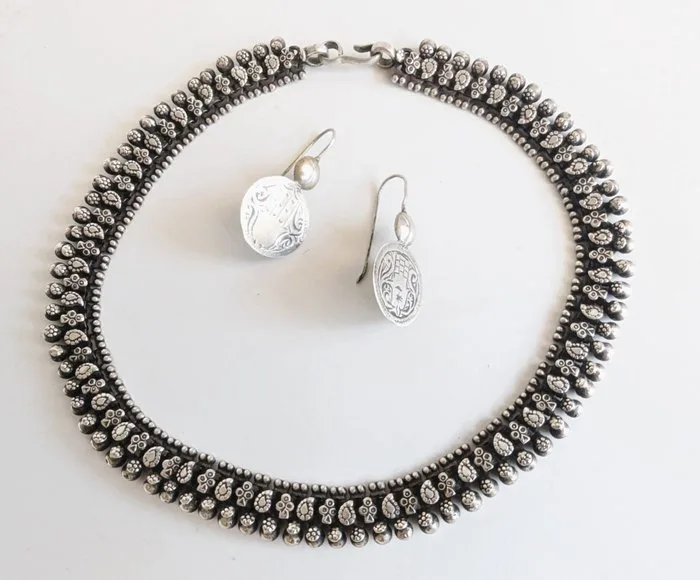
Silver - Parure - India Neck Warmer
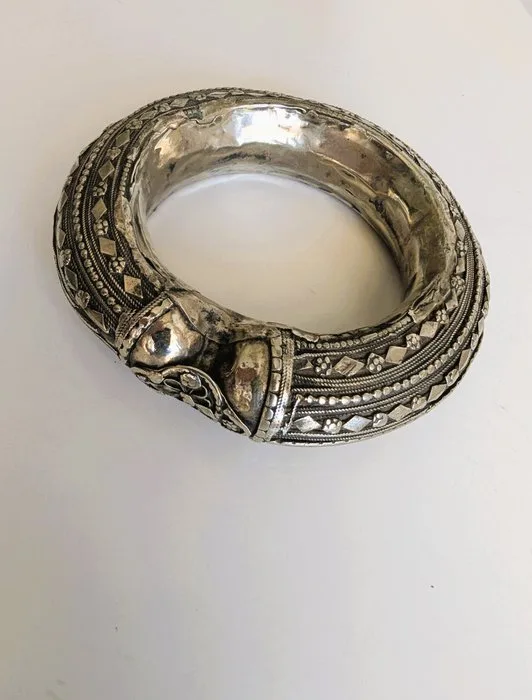
Silver - Bracelet - Yemen 1950
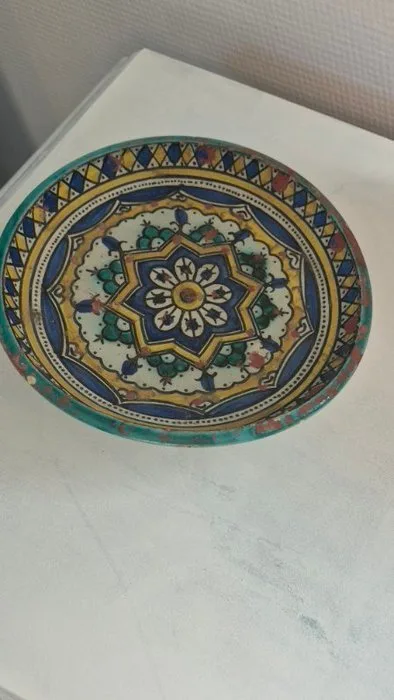
Ghotar Fez faience plate - Ceramic - Morocco - early 20th century
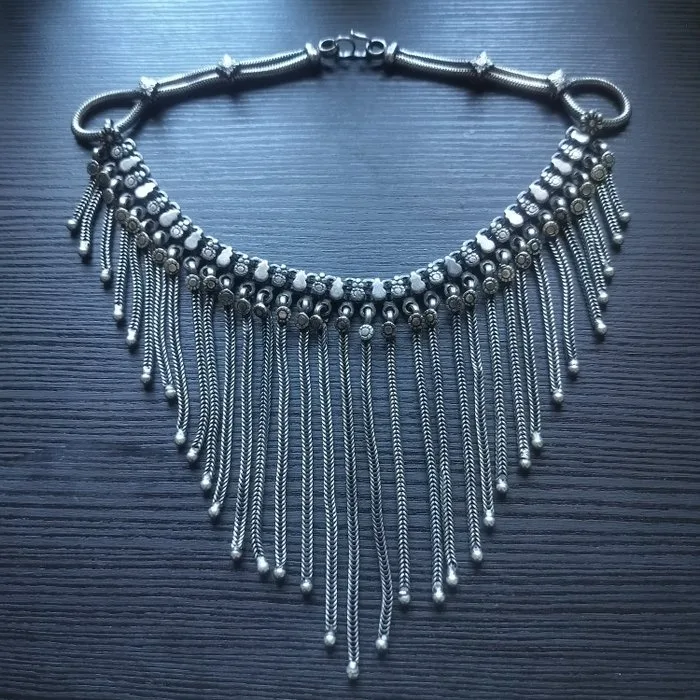
Silver - Choker necklace - Rajasthan silver choker
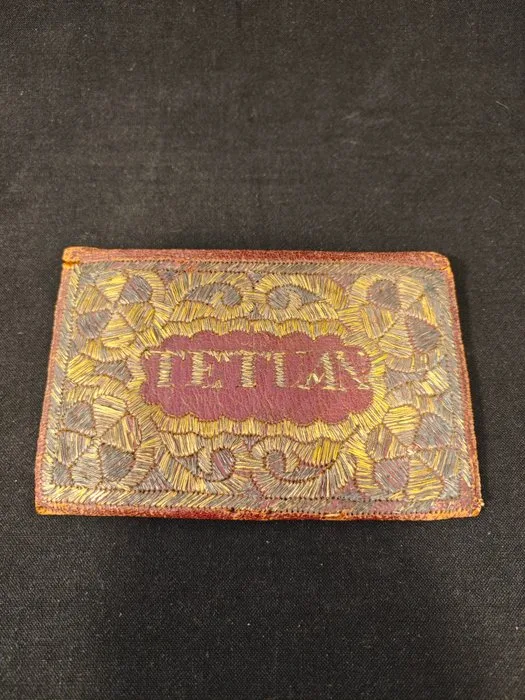
Rare Ottoman Era / North African Silk & Gold Thread Embroidered Leather Letter Wallet – Dated 1737 – - Wallet
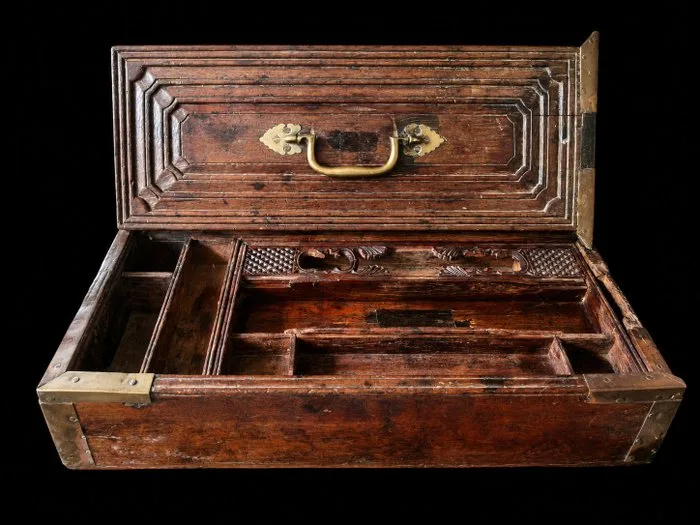
Anglo-Indian writing chest - Wood, Brass - India - British Raj (1858-1947)
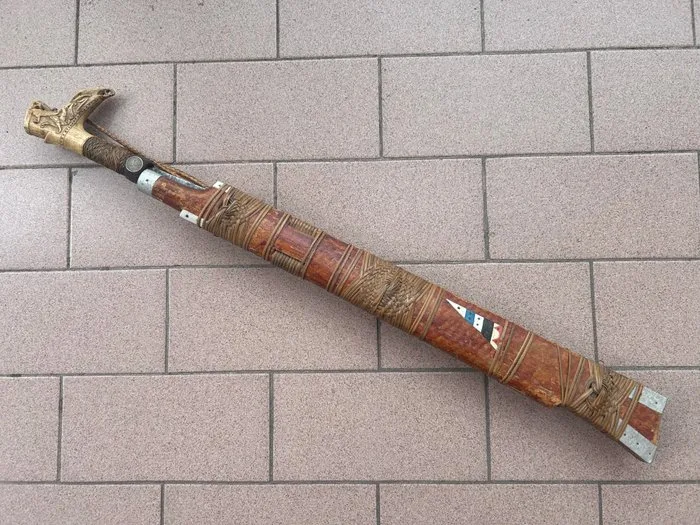
Knife-sheath - Indonesia - 1850-1930
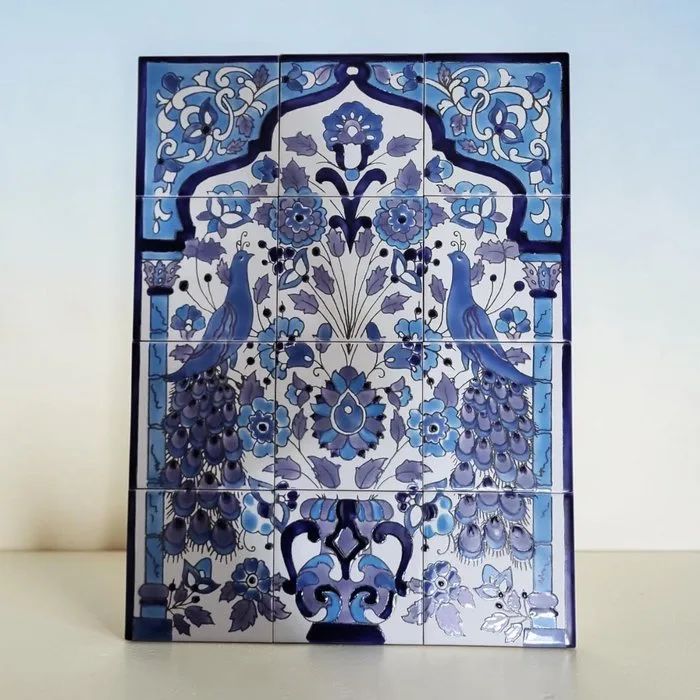
Tile - 2020+
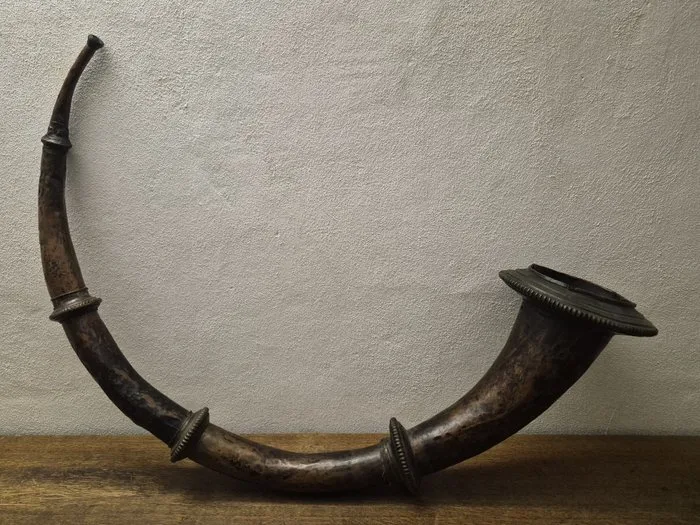
Narsinga/Ramsinga ritual trumpet - Copper - Nepal - 19th century
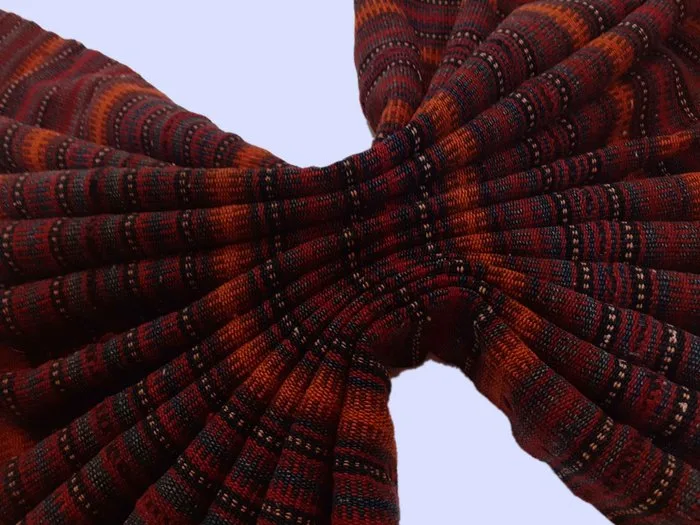
Kurdish kelim - 188 cm - 155 cm - Early 20th century
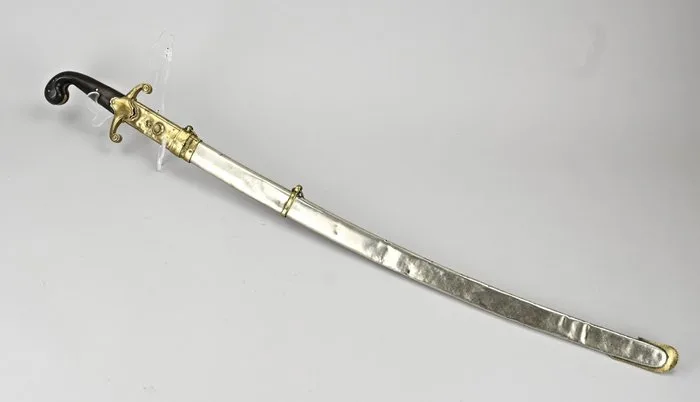
Sword - Ottomaanse 19e eeuws officieer zwaard Antique - Türkiye - 1850-1920
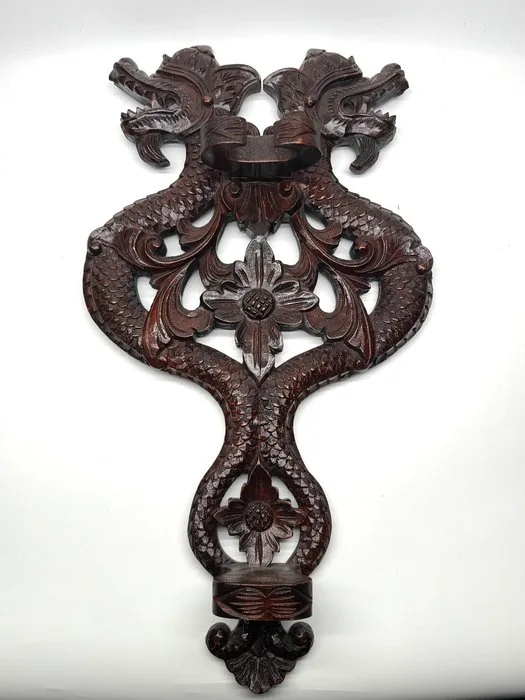
Arms holder - Blawong - Indonesia
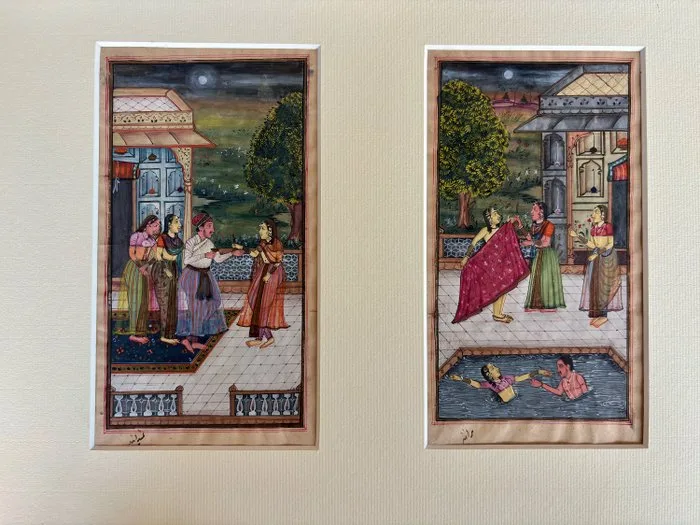
Unknown artist - Indiase en indo Perzische miniaturen
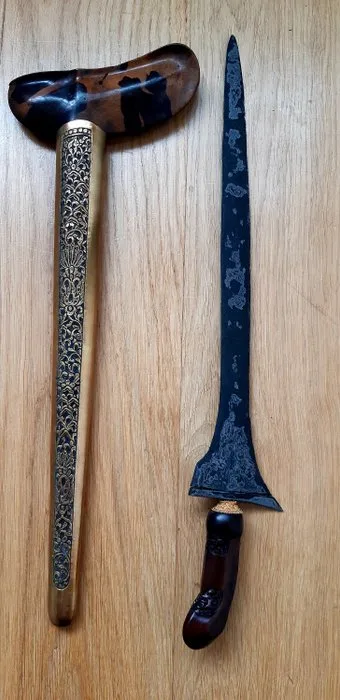
Javanese kris / keris - Indonesia
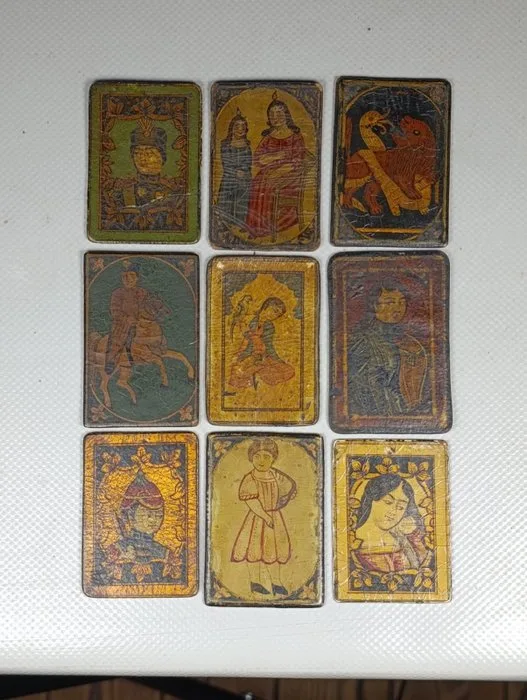
Playing cards - Ensemble de 9 Cartes de Jeu "As-Nas" – Papier Mâché Laqué & Peint à la Main - Papier-mache
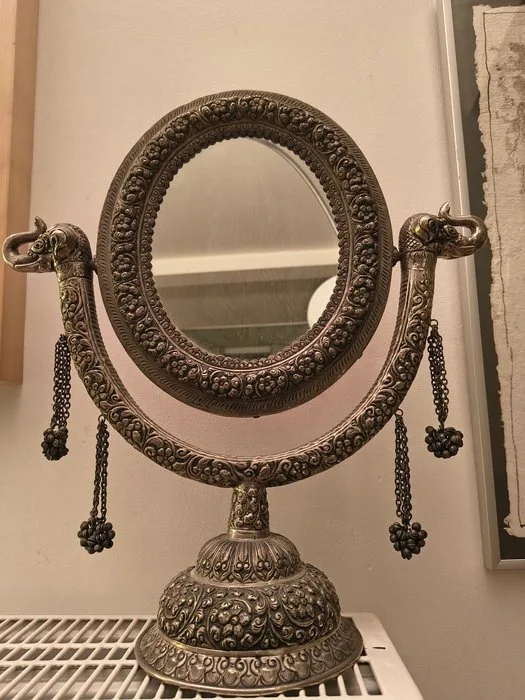
Antiker Indischer Spiegel mit Elefanten - Andere - Mirror - Ander - Antique table mirror
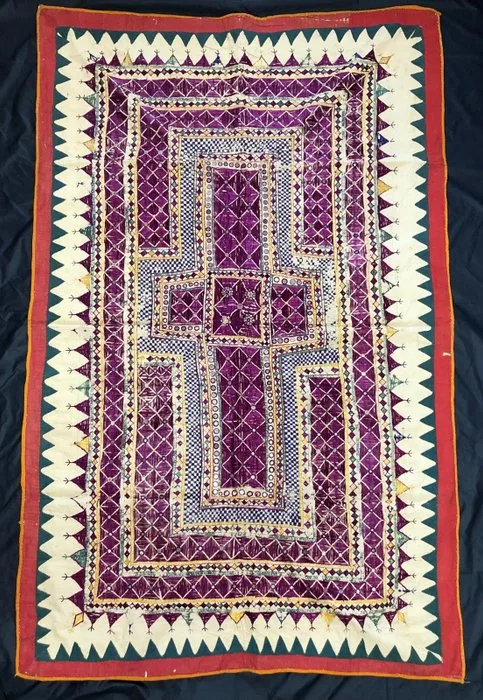
Produzione Kutch (Gujarat) Artigianato tradizionale Geometric tribal embroidery - Tapestry - 185 cm - 116 cm - with Shisha Mirror Work
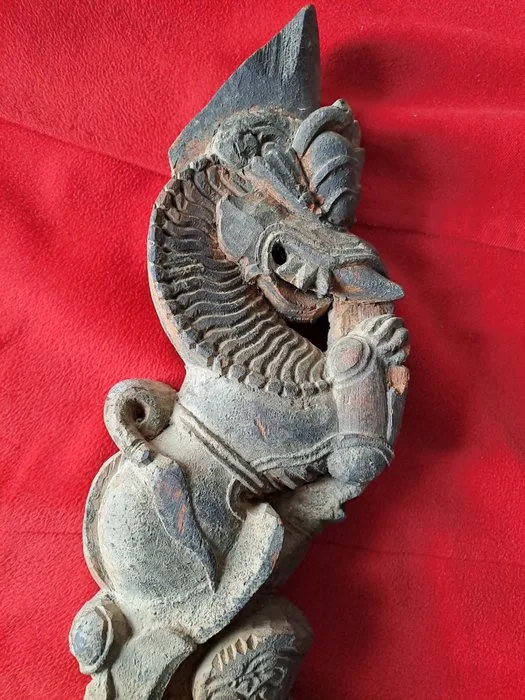
Temple Chariot Yali - India - British Raj (1858-1947)
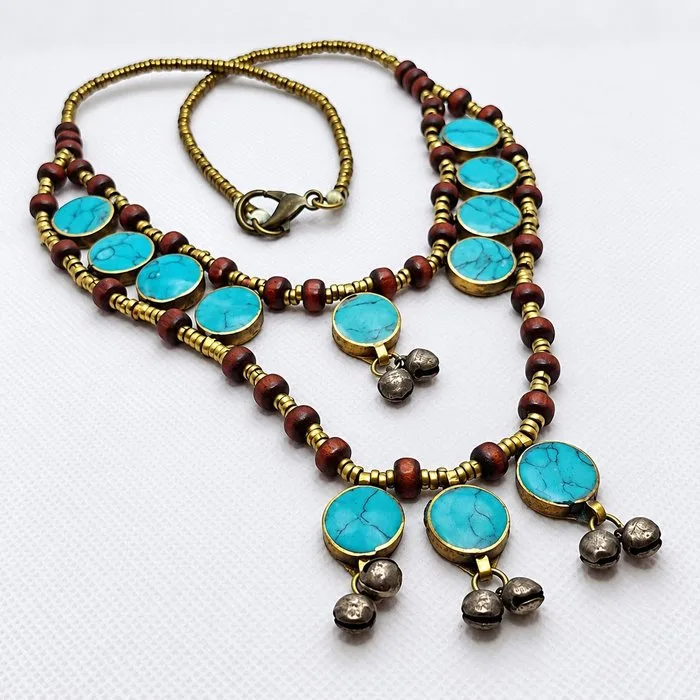
Turquoise. Metal. - Collar necklace - Ethnic handicrafts
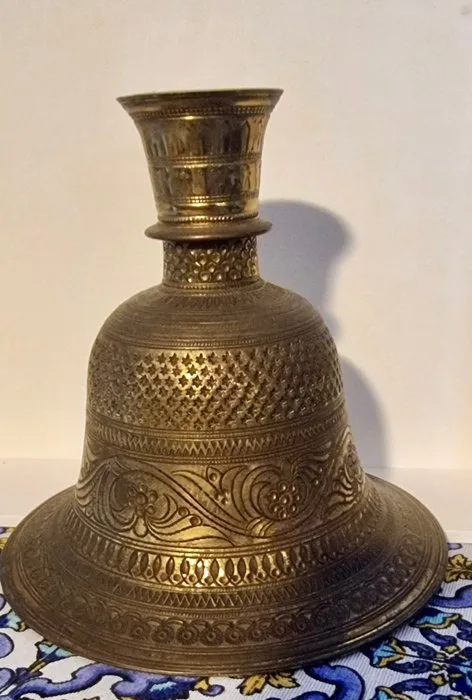
Hookah Basics - Brass - India - Mughal Dynasty – III (1627 - 1857)
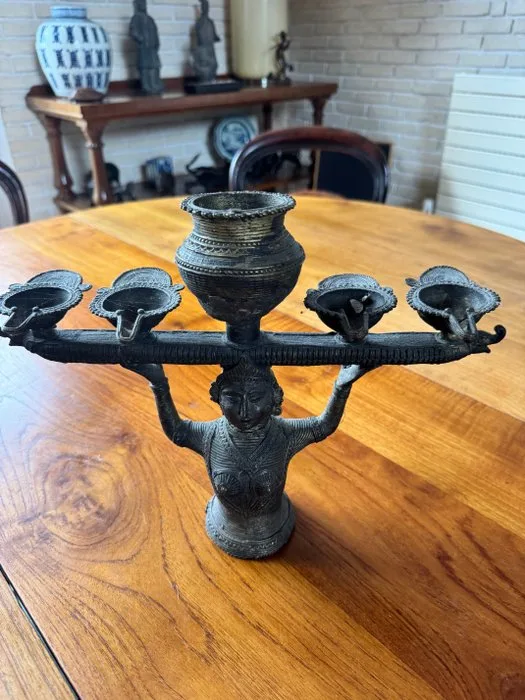
Lakshmi Dokra oil lamp - Patinated bronze - India - 20th century
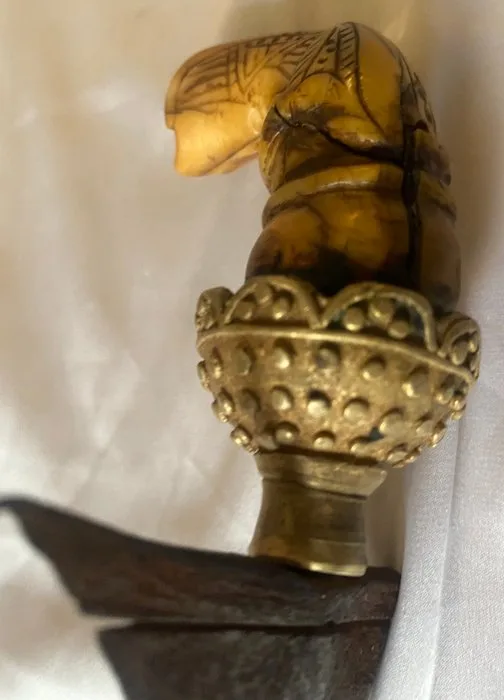
Kriss - Indonesia - End of the 19th century / Beginning of the 20th century
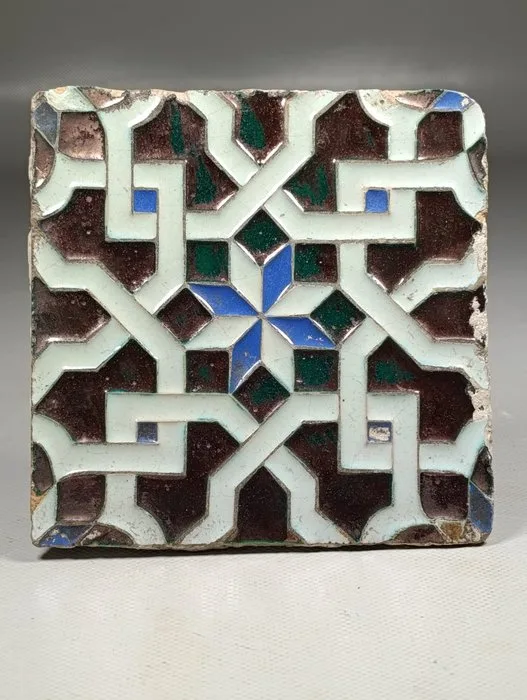
Tile - Geometric pattern centered on an eight-pointed star - Hispano-Mauresque - End of the 16th century – Beginning of the 17th century - Tile
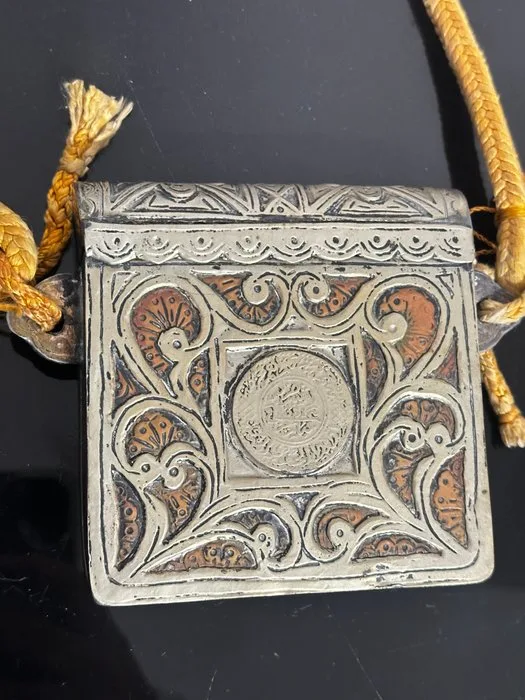
Unknown - Moroccan Berber/Amazigh Talismanic Qur’an Box - Handbag
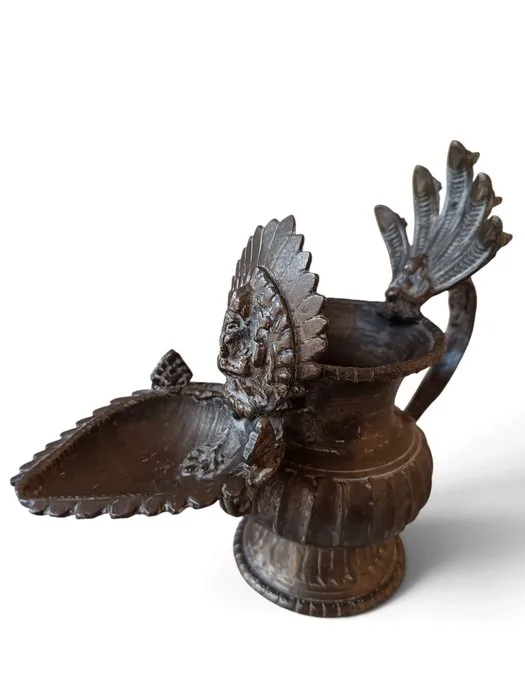
Sukunda - Newar - Nepal
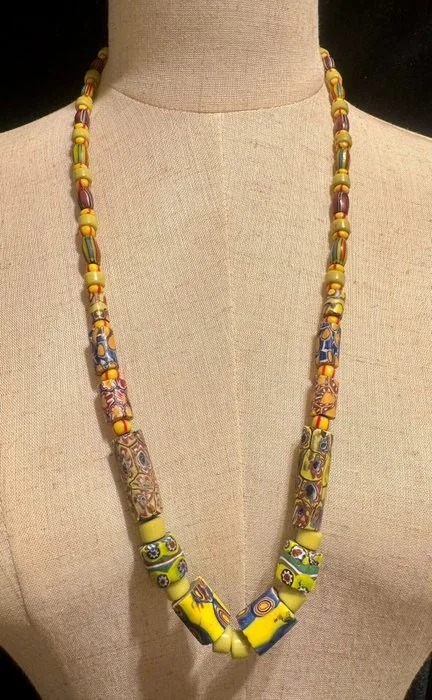
Venetian Thousand Flowers Glaze - String of beads - Centennial handmade glass
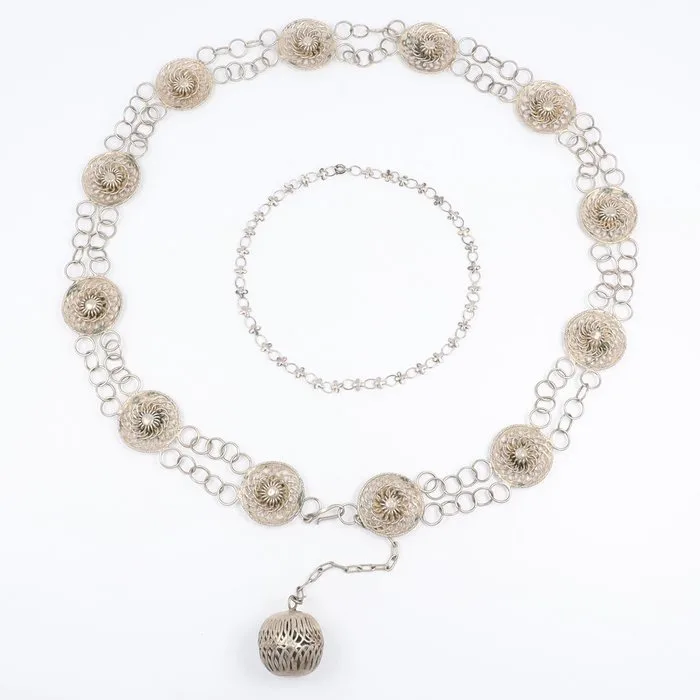
925/1000 Silver. Necklace + free silver-plated belt - 2 piece jewellery set
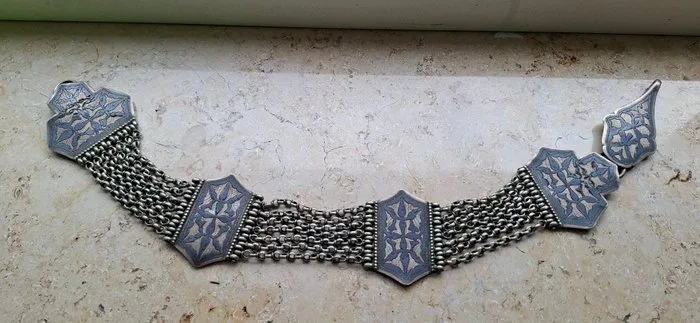
Traditionelles Schmuckband (Kaukasus) – mit feiner Niello-Gravur & mehrreihigen Ketten – frühes 20. - Early 20th century
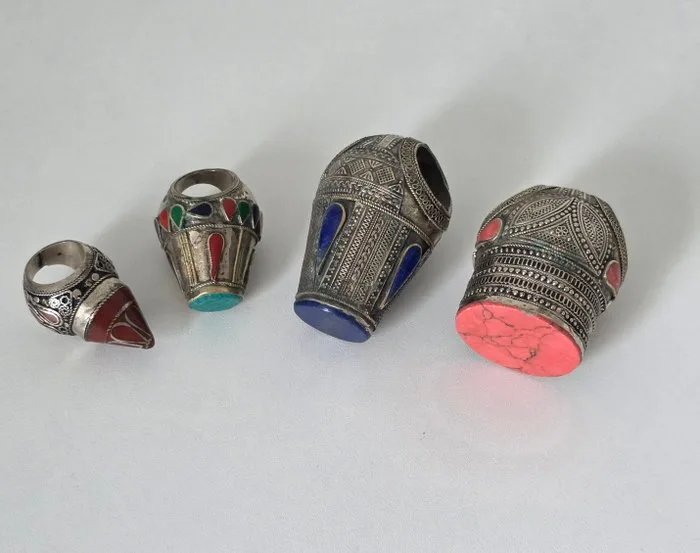
4 traditional Central Asian tribal rings, Kuchi and Turkmen culture, metal - Ring
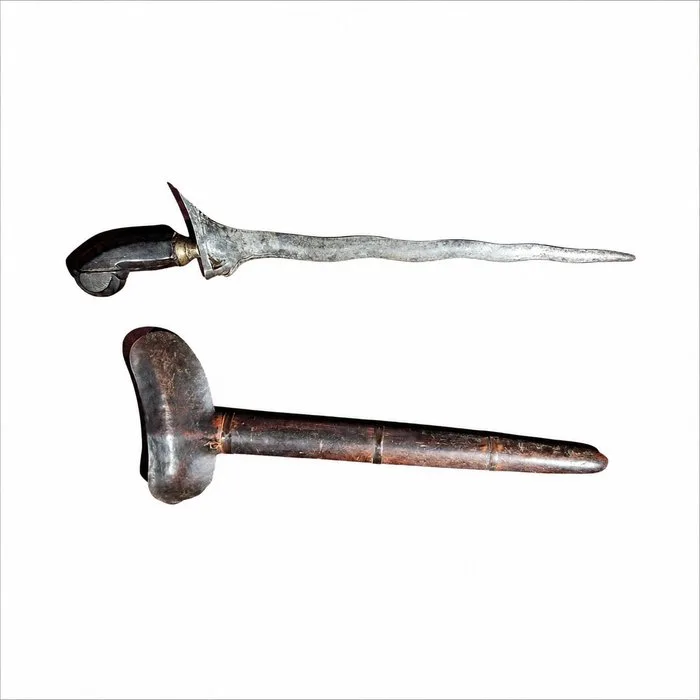
Malay Archipelago. Bugis-Style Keris – 5 Luk – Late 19th/Early 20th Century
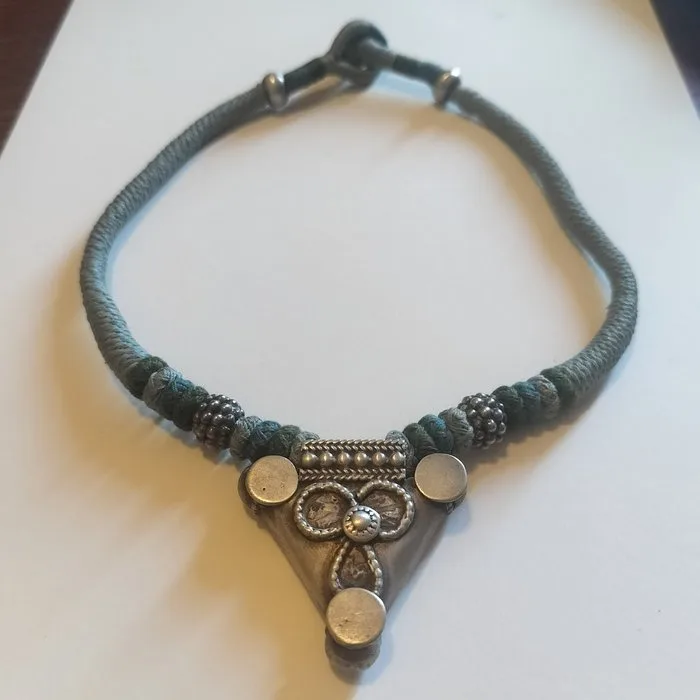
Silver - Necklace - Rajasthani vintage necklace
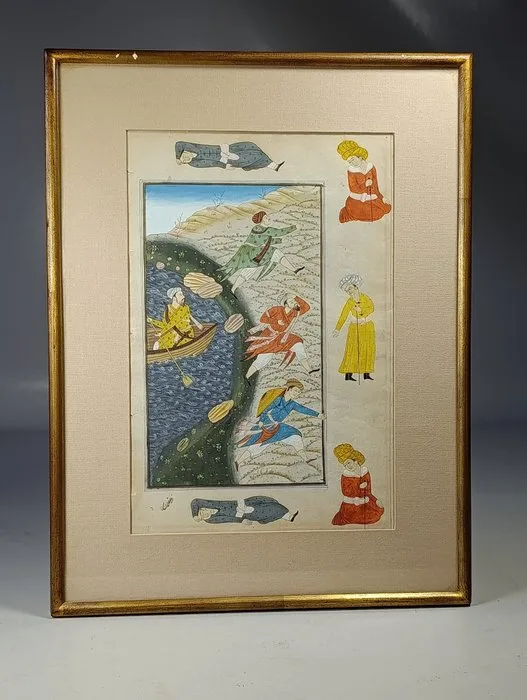
Qajar-style miniature painting / Neo-Safavid reinterpretation - Middle East - Qajar dynasty (1796–1925)
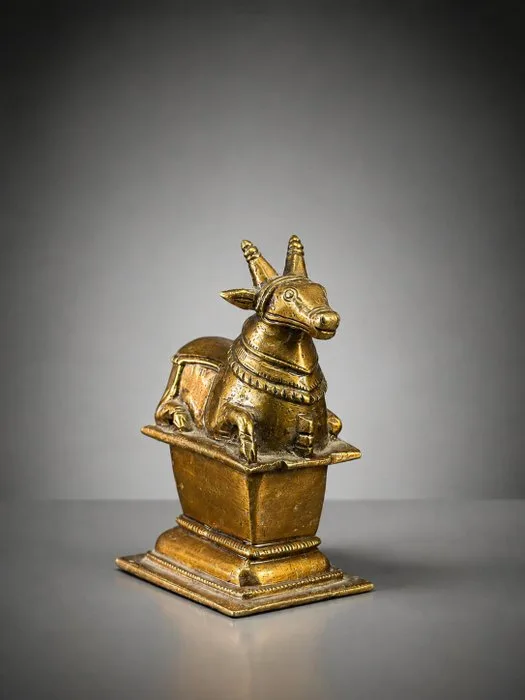
Statue, Nandi, le taureau de Shiva - 18th c. - 10 cm - Copper alloy
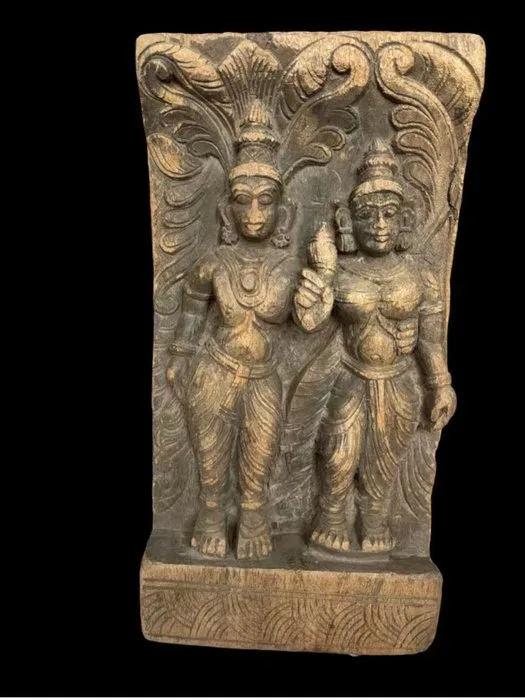
Panel - South India - Carved wood - Shiva and Parvati - teak or rosewood - Old temple sign
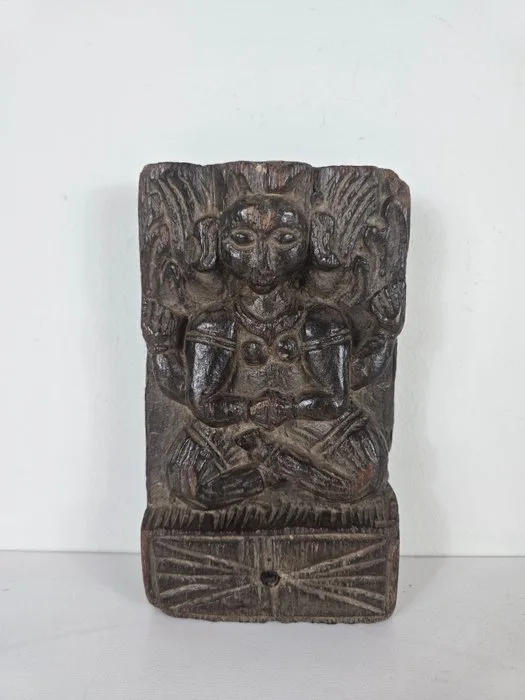
Panel - Hardwood - Relief carving of Lakshmi
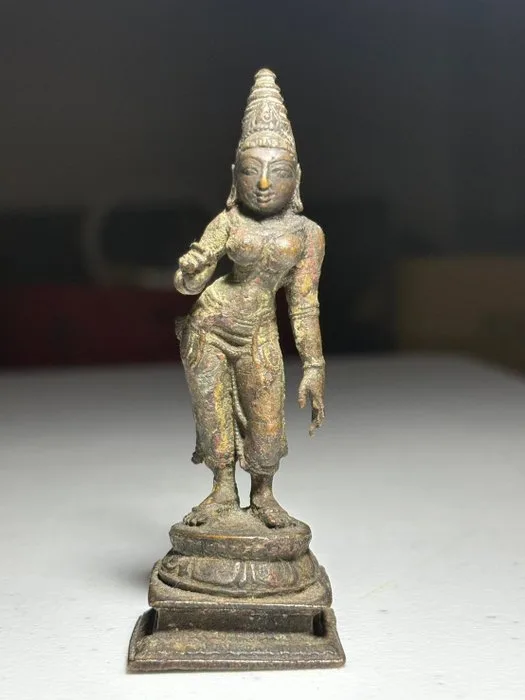
Sculpture, South Indian Bronze Goda Devi (Andal), 18th–19th Century - 9 cm - 9 cm - Bronze
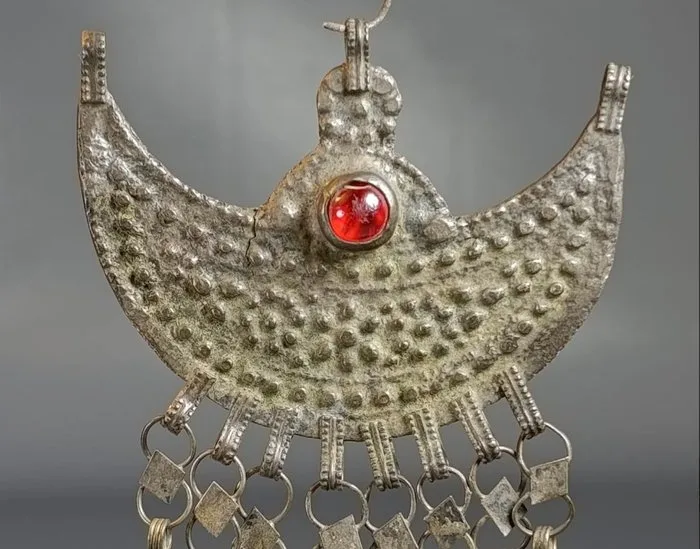
Low-grade silver (or traditional-use silver alloy / Alpaca), red molded glass - Pendant - Bedouin pendant
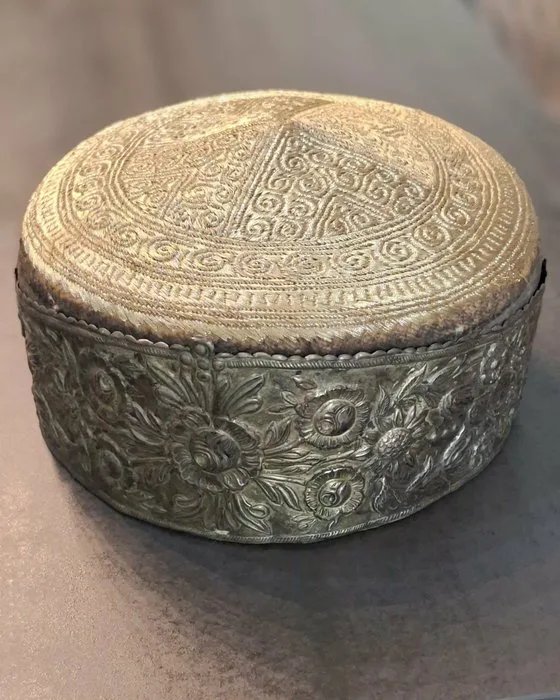
Headdress (1) - Uzbekistan
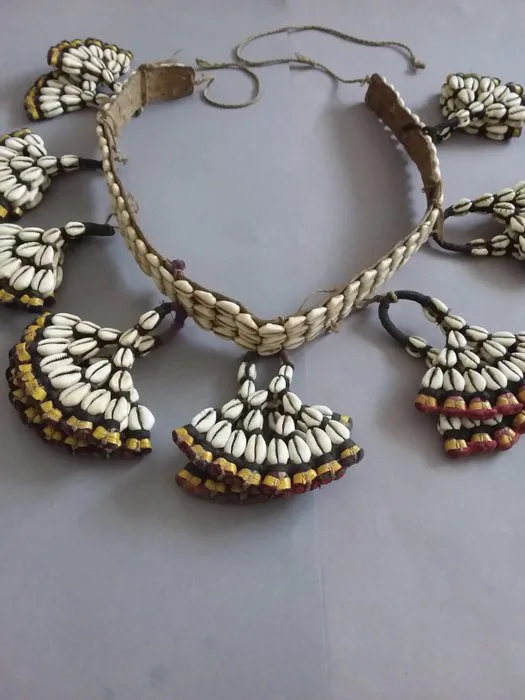
Belt - Shell - Vintage period
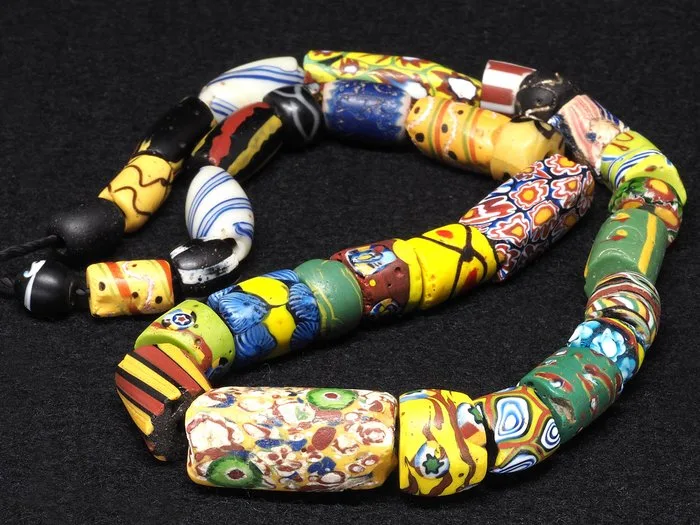
Glass beads strand - String of beads - Venetian Beads
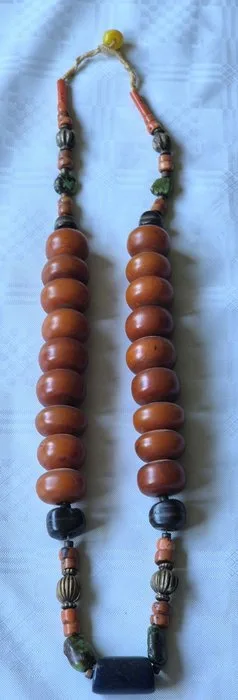
Necklace
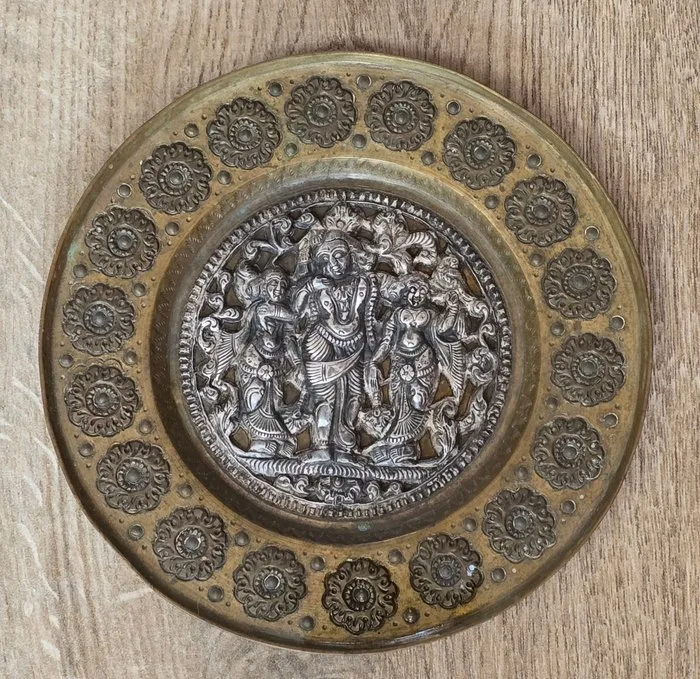
Fine repousee plate with religious figures in silver in the centre panel - Tanjore - Copper & Silver - India - Late 19th - early 20th century
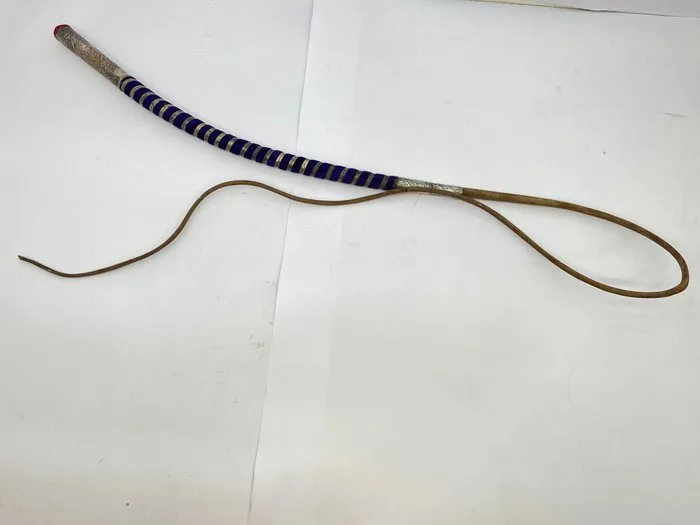
Decorative ornament - Whip in 800 silver
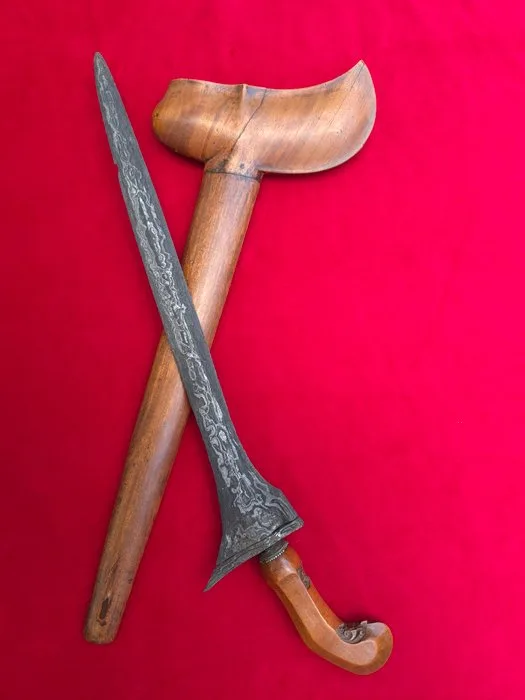
Short sword - Indonesia - 1850-1900
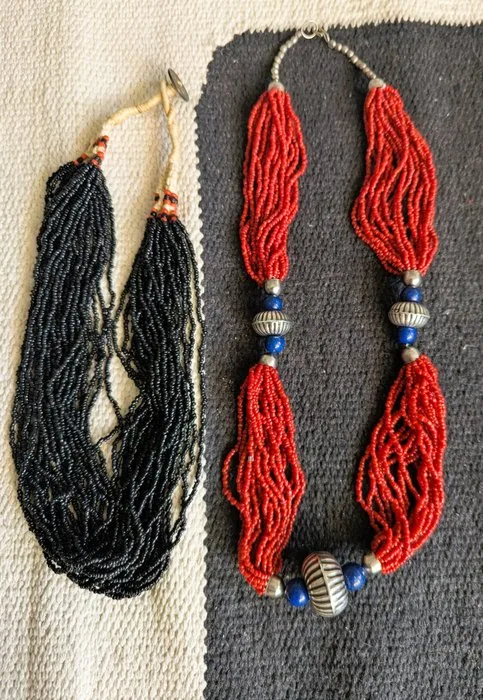
Glass beads, metal, lapis lazuli - Necklace - (x2) India Nagaland
What this section contains
A varied mix: small South Indian bronzes of Vishnu, Krishna, Shiva and Parvati; Indonesian keris and swords; Yemeni jambiya daggers; engraved Islamic brass boxes and prayer plaques; Hispano-Moresque azulejo tiles; kalamkari textiles; and traditional silver jewellery from India, Nepal, the Caucasus and the Amazigh (Berber) regions of North Africa. Most pieces here are between €400 and €1,100.
Terms you will see
- Keris (kris): the asymmetric dagger of Java and the Malay world. Luk counts the waves in the blade; pamor is the pattern in the forged metal.
- Jambiya: the curved dagger of Yemen and the Arabian peninsula.
- Azulejo: a glazed tile, here from Spain and Portugal.
- Kalamkari: Indian cotton cloth that is hand-painted or block-printed.
- Parure: a matching set of jewellery.
What to check
For bronzes, look at the patina and wear on high points, which build up with age and handling; note that many figures are small, so check the height in centimetres. For keris and daggers, check the fit of the blade in the sheath and look for corrosion. For textiles, check the size and look for holes, stains and fading. For silver jewellery, weight is often listed and is a good guide to substance. Condition is described from Excellent to Fair.
Bladed items may be restricted in some countries; check local rules before ordering if you live outside the EU.
Frequently asked questions
What is a keris?
A keris (or kris) is a dagger from Java, Bali, Madura and the wider Malay world, with an asymmetric blade that may be straight or wavy. The number of waves is called luk, and the patterned forged metal is called pamor. Keris were weapons, heirlooms and status objects, and the sheath and hilt are often finely carved.
What is a jambiya?
A jambiya is a short curved dagger worn at the front of the belt, traditional in Yemen, Oman and elsewhere on the Arabian peninsula. The hilt and sheath are often decorated with silver, brass or horn. It is worn as part of men's dress and as a sign of status as much as a weapon.
How can I tell the age of a South Indian bronze?
Age shows in the wear on high points such as faces and hands, a patina that is deep and even rather than painted on, and softened casting detail from handling. Newer castings look sharper and brighter. The listing's title and condition notes give the dating stated for each piece, and close-up photos help you judge the surface for yourself.
Are these pieces suitable for everyday use?
Jewellery and small boxes can be worn and used with care, but older metalwork, tiles and textiles are best treated as display pieces. Keep textiles out of direct sun, clean silver gently, and avoid water on patinated bronze. Every item is a one-off, so check the size and condition before buying.