Prints & Multiples
Lithographs, etchings, silkscreens, woodcuts and other editioned works, from Old Master engravings to Dalí, Picasso and Miró. Technique, signature and edition are listed for every print.
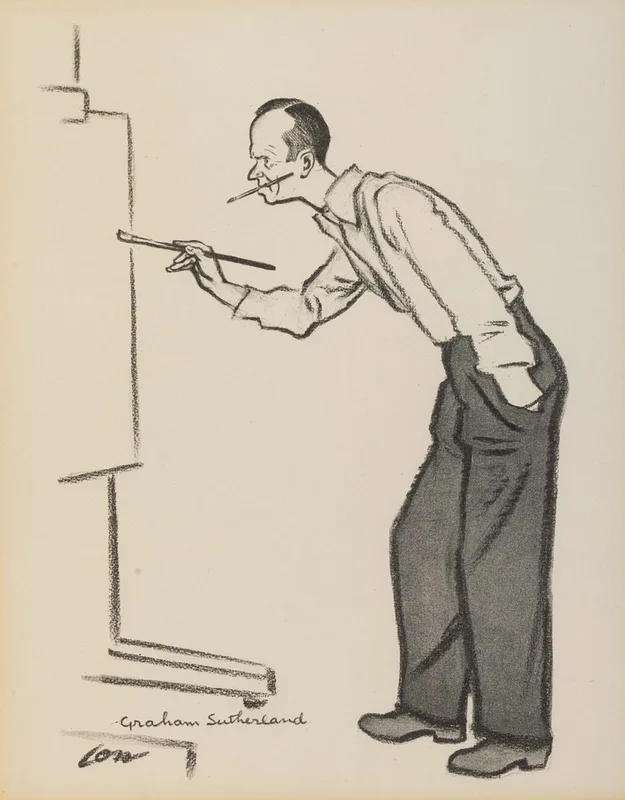
Sir David Low (British, 1891-1963), Graham Sutherland,
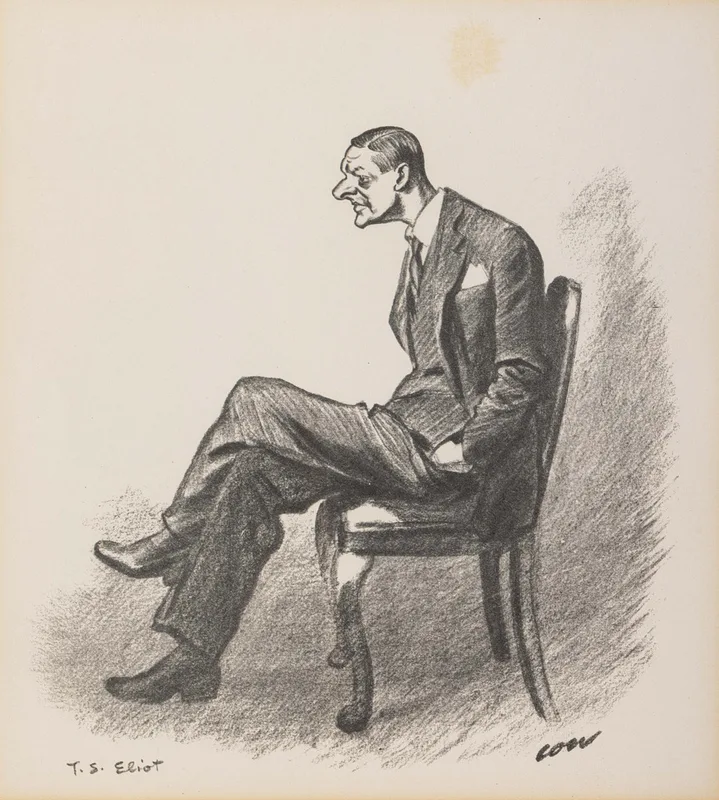
Sir David Low (British, 1891-1963), T. S. Eliot
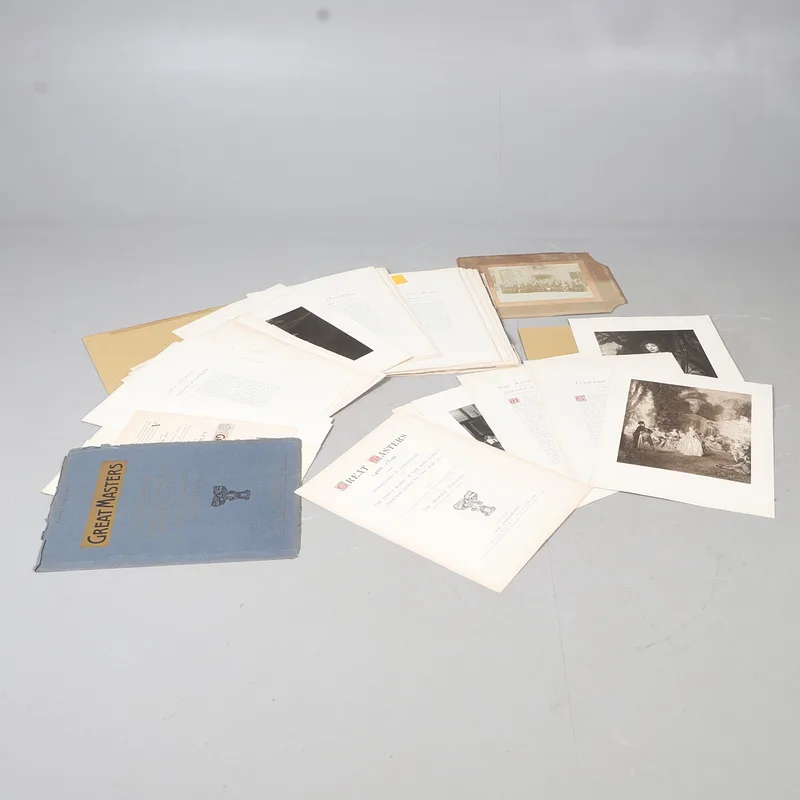
A Collection of Fine Art Unframed Prints After the Great Masters
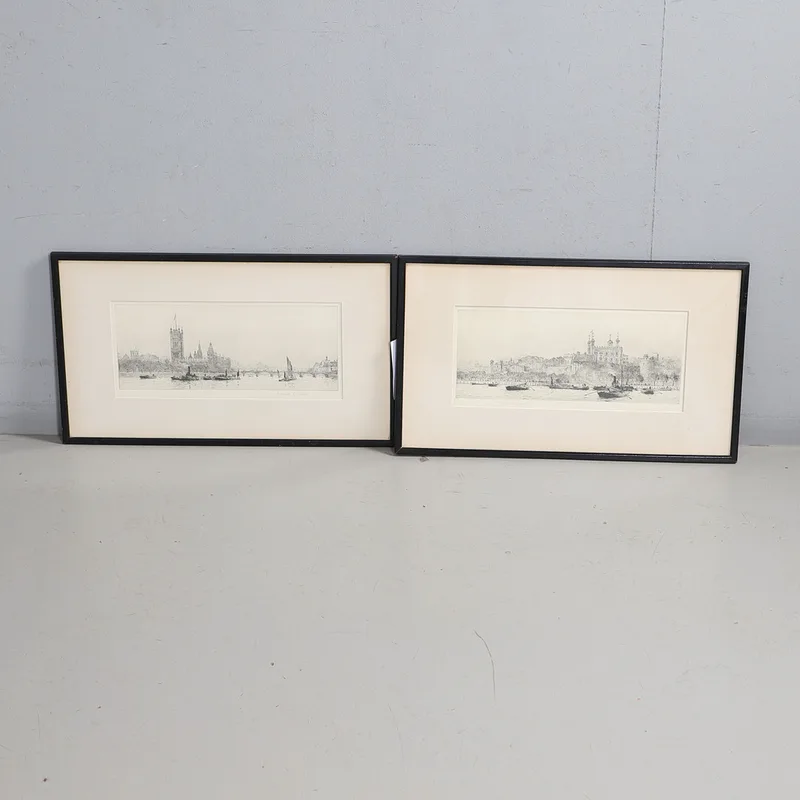
Rowland Langmaid (1897-1956). the Palace of Westminster from the Thames; The Tower of London, a Pair
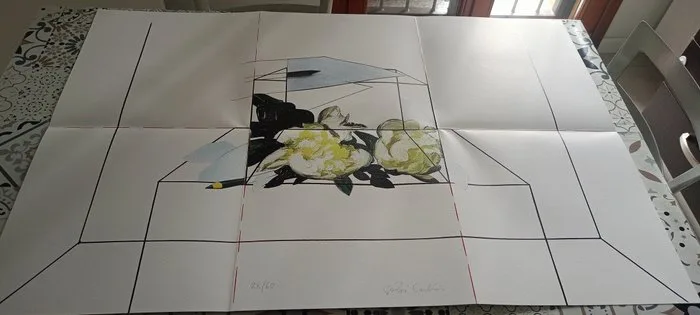
Giulio Paolini (1940) - Come è / come se - una pura apparizione
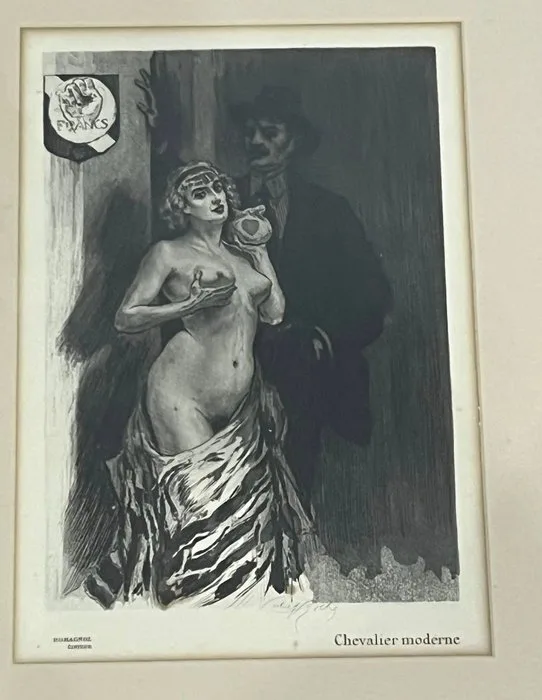
Almery Lobel Riche (1880-1950) - Chevalier Moderne - Poupees de Paris - 1912
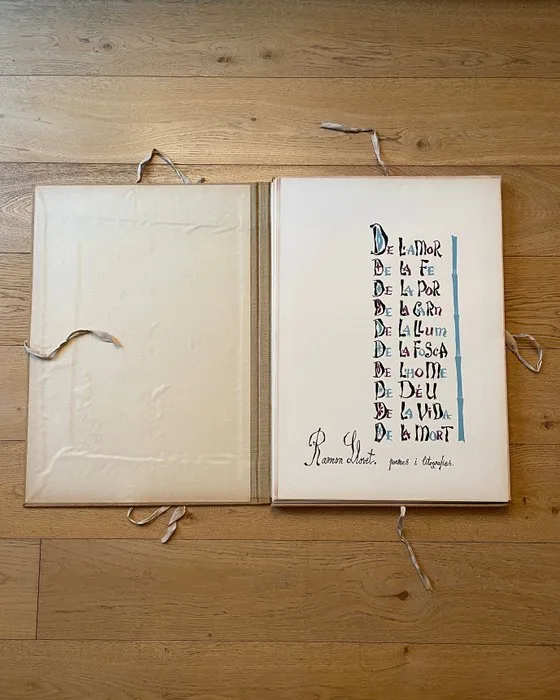
Ramon Llovet (1917-1987) - Poemes i litografies – 12 litografías originales firmadas
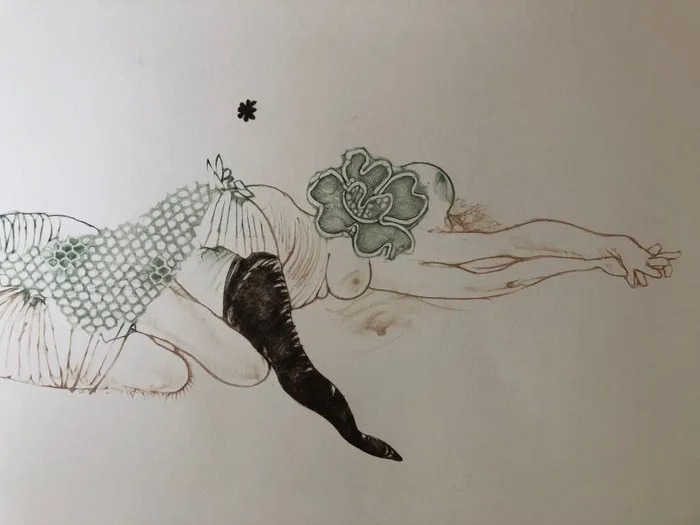
Hans Bellmer (1902-1975), after - Œillades ciselées 13
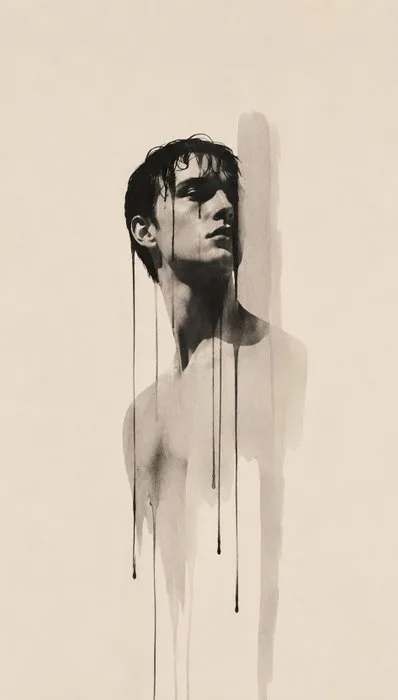
Jorge Omeñaca (1981) - David

Richard Orlinski (1966) - Ours Pompon x Orlinski Silver Edition - 36 cm!
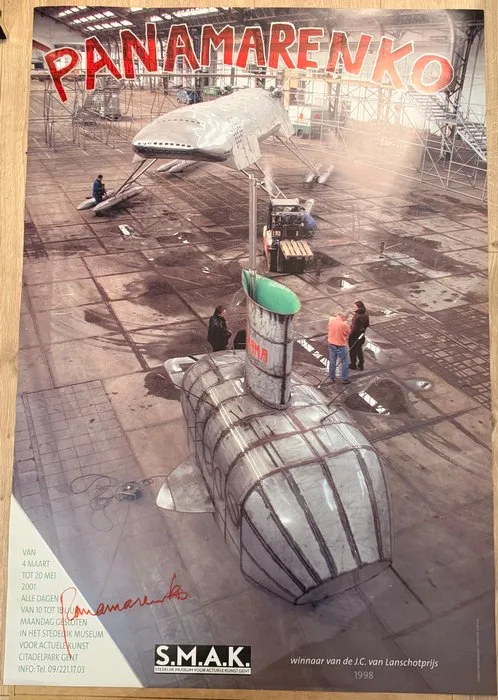
Panamarenko (1940-2019) - Tajama & Scotch Gambit
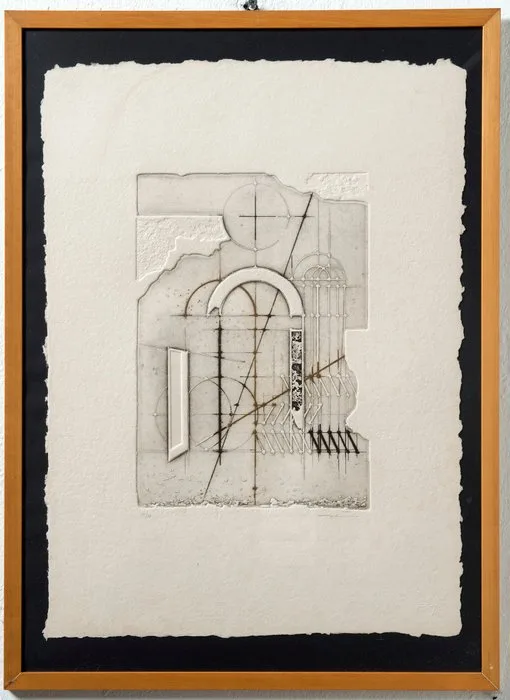
Walter Valentini (1928) - LA CITTÀ DEL SOLE
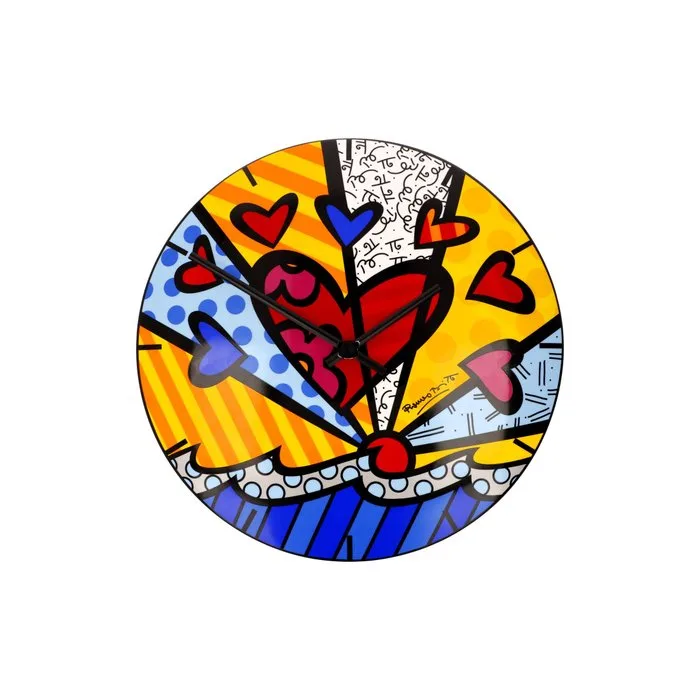
Romero Britto (1963) - Sculpture, A New Day, porcelain wall clock, sold out ($500) - 31 cm - Porcelain

Takashi Murakami (1962) - Flower Cushion - 30cm
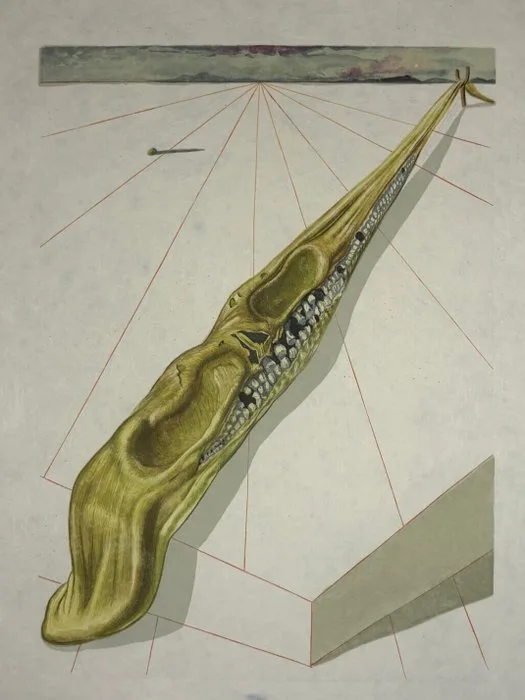
Salvador Dali (1904-1989) - Les blasphémateurs - La Divina Comedia de Dante Alighieri — Infierno, canto XIV
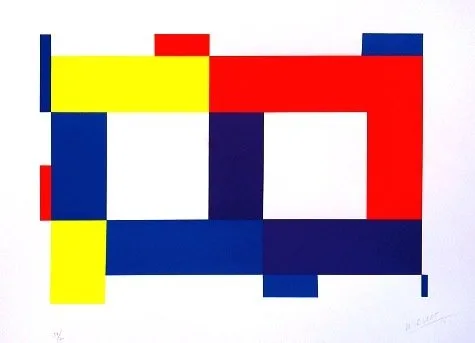
Waldo Balart (1931-2025) - Angulo rojo a la derecha
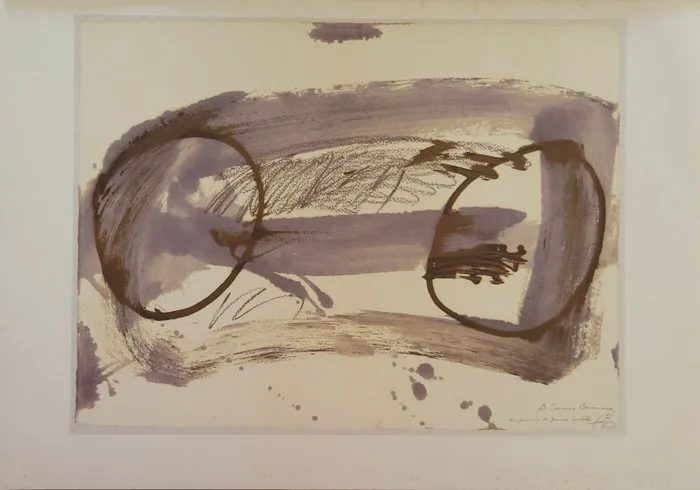
Antoni Tapies (1923-2012), after - Dos Cercles
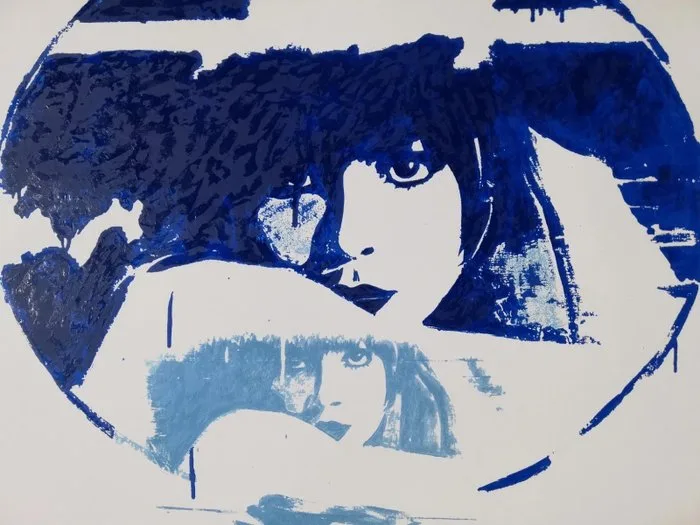
Giosetta Fioroni (1932) - Senza Titolo
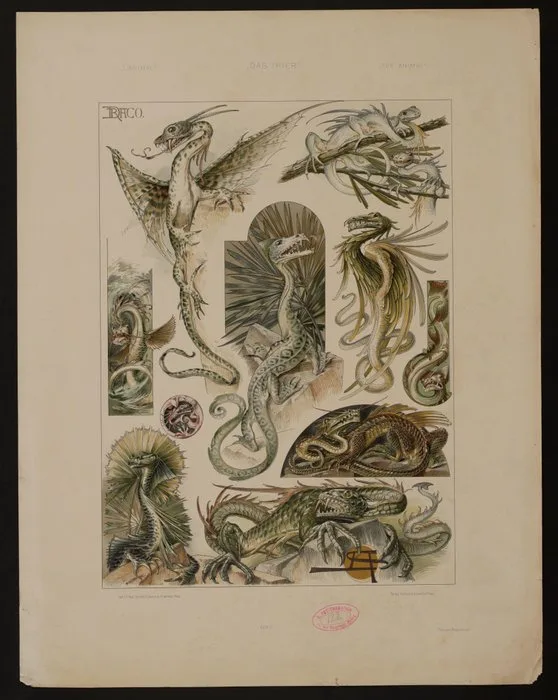
Seder, A. (XIX) - Das Thier - l'Animal - the Animal. Plate 1. Dragons
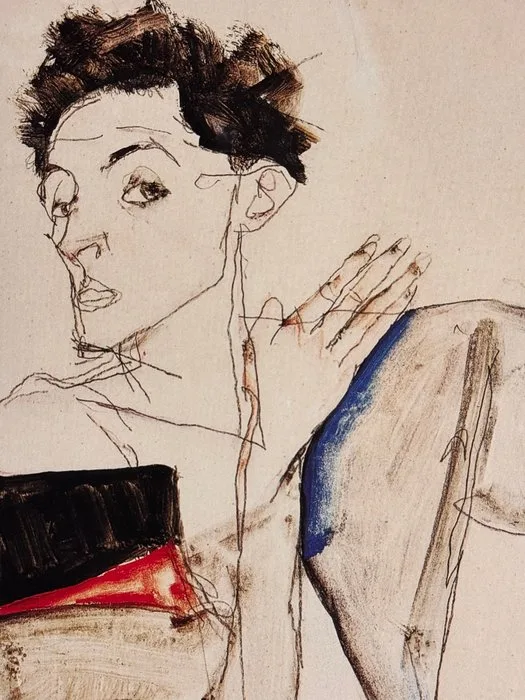
Egon Schiele (1890-1918), after - Selbstbildnis
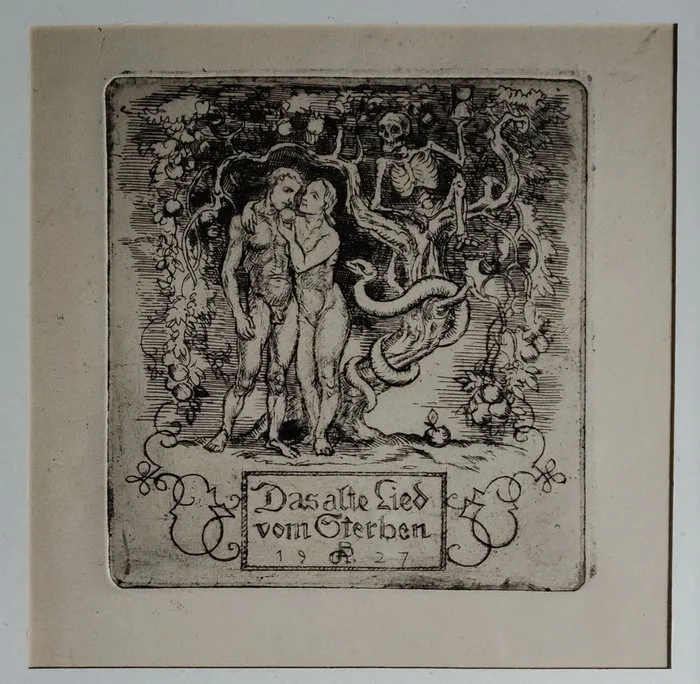
Karl Friedrich Bell (1877–1958) - Das alte Lied vom Sterben
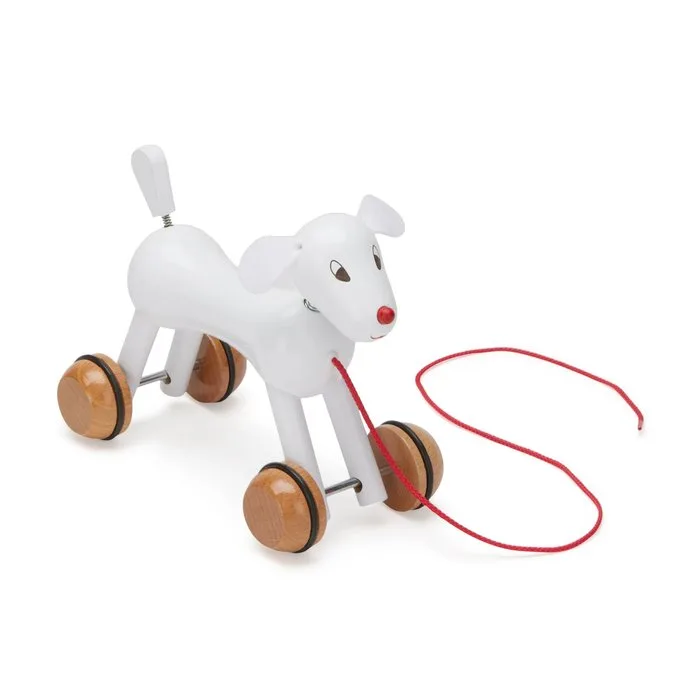
Yoshitomo Nara (1959) - Nara My Sweet Dog Pull Toy

Richard Orlinski (1966) - Ours Pompon x Orlinski Blanc Edition
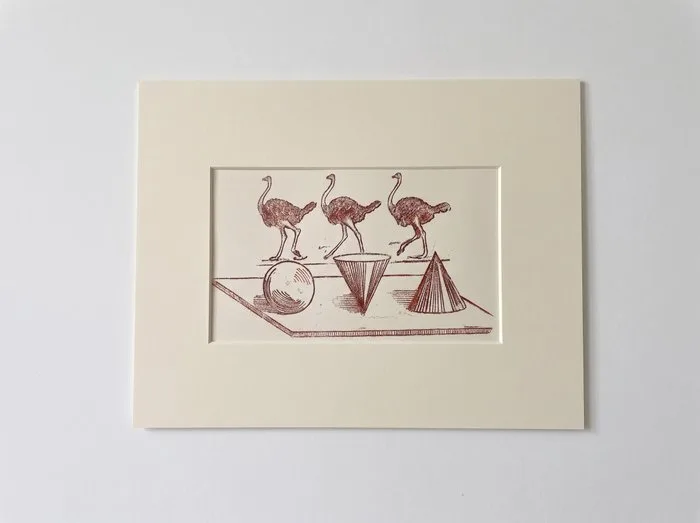
Max Ernst (1891-1976) - Aus der Mappe: Lewis Carrolls Wunderhorn
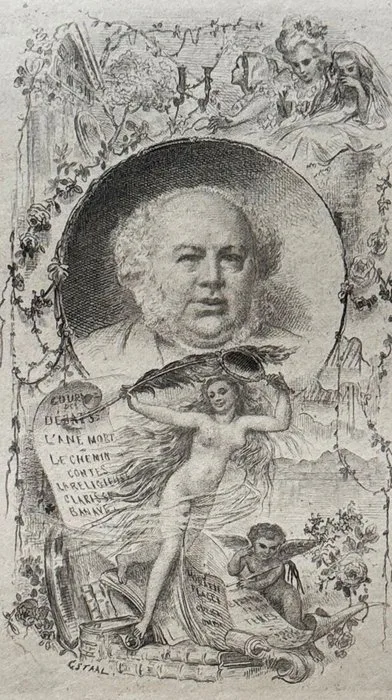
Gustave Staal (1817-1882) - Sans titre, 1866
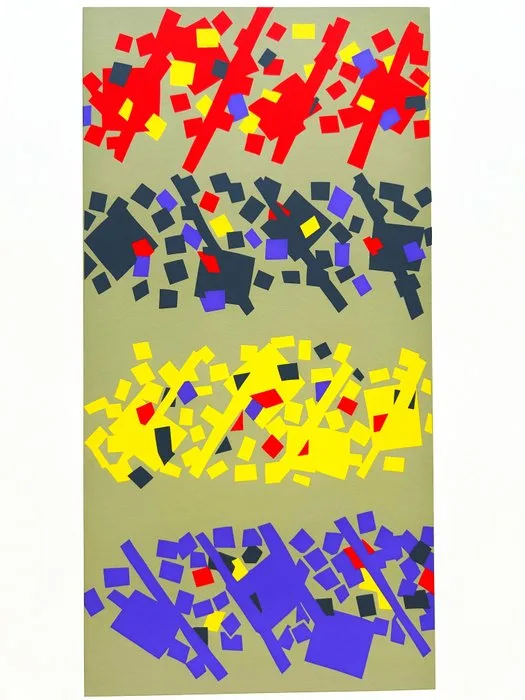
Josef Albers (1888-1976) - Interaction of Colors - XVI-4
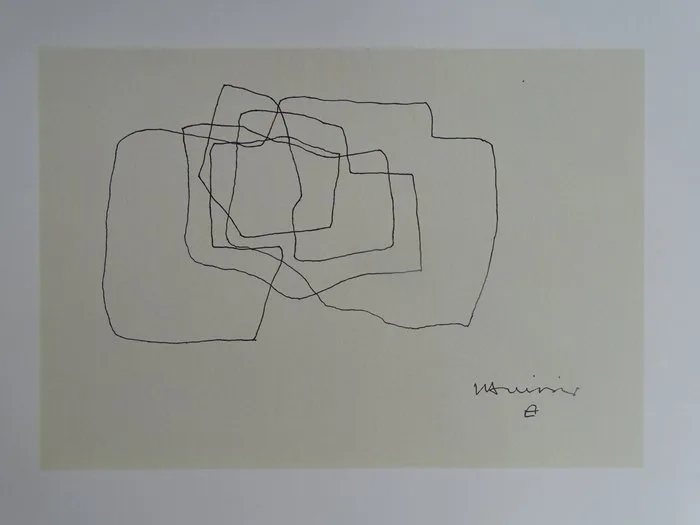
Eduardo Chillida (1924-2002) - Sin título
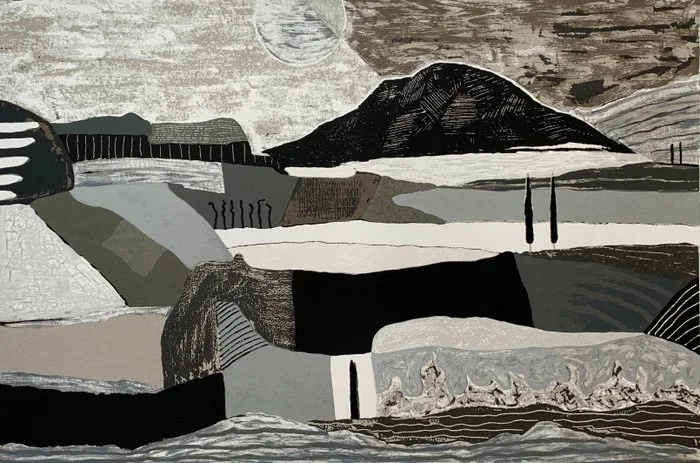
Ronald Boonacker (1955) - Night Sky I, Tuscany
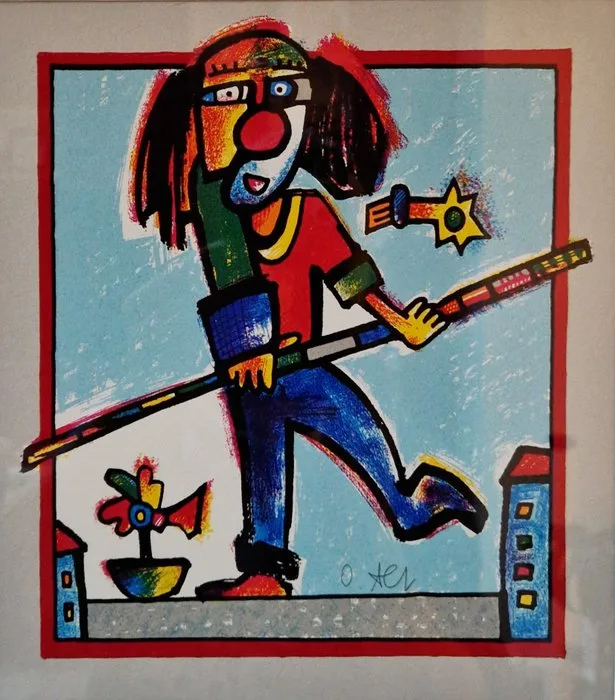
Otmar Alt (1940) - Seiltänzer
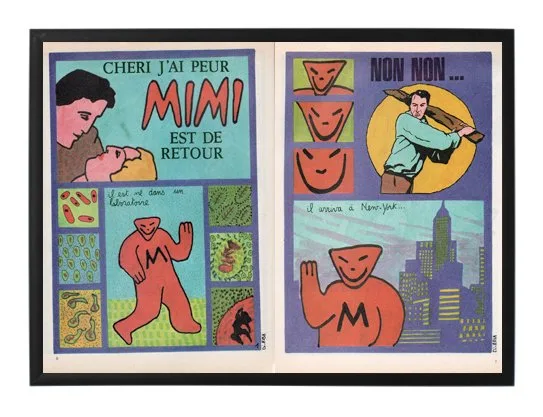
Hervé Di Rosa (1959) - MIMI
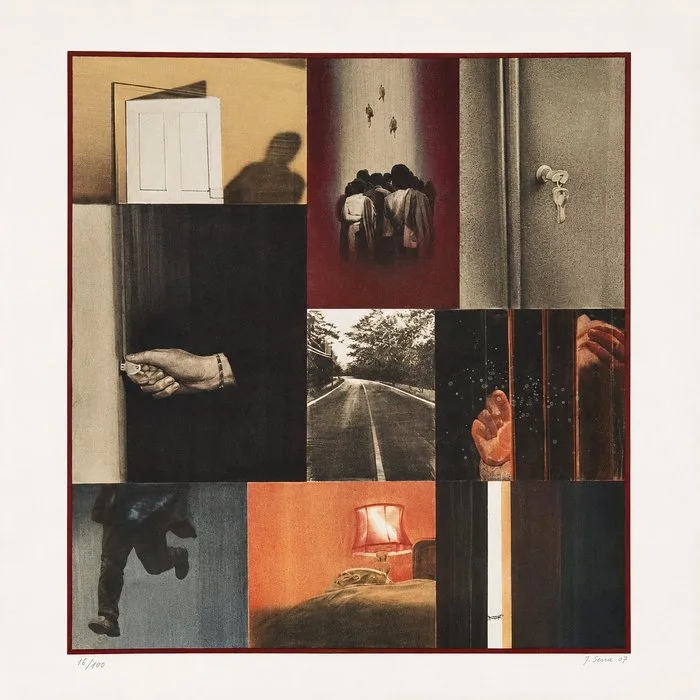
Juan Genovés (1930-2020) - Sin título
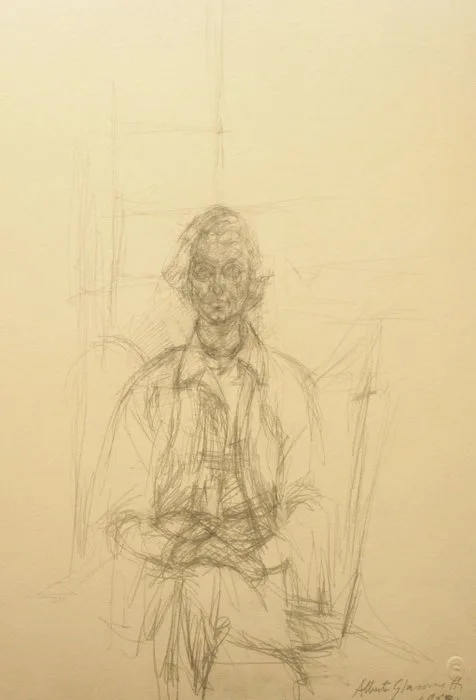
Alberto Giacometti (1901-1966) - Annette
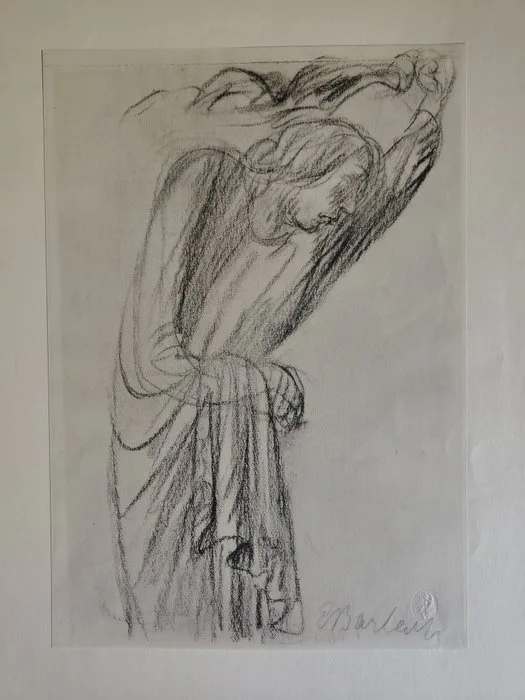
Ernst Barlach (1870 –1938) - Prometheus
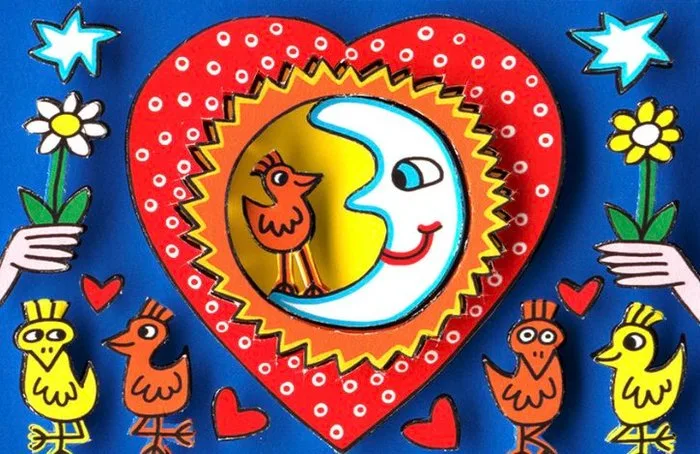
James Rizzi (1950-2011) - The Moon Has Fun With The Sun
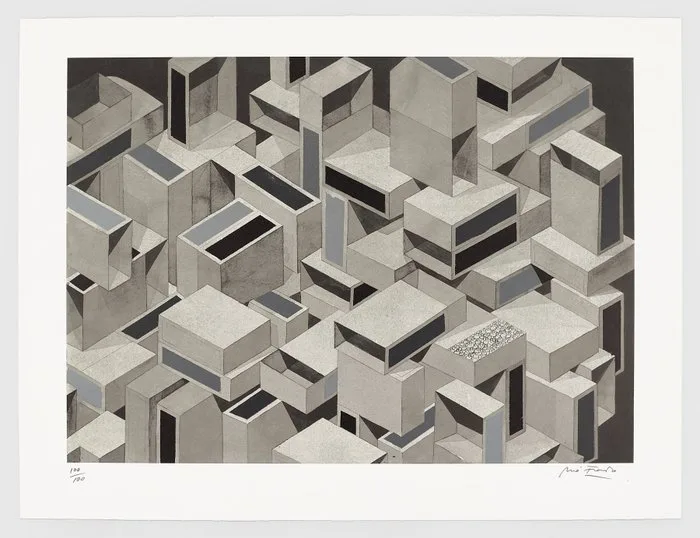
René Francisco (1960) - Ignopolis. Serie

Takashi Murakami (1962) - Flower Cushion - 30cm
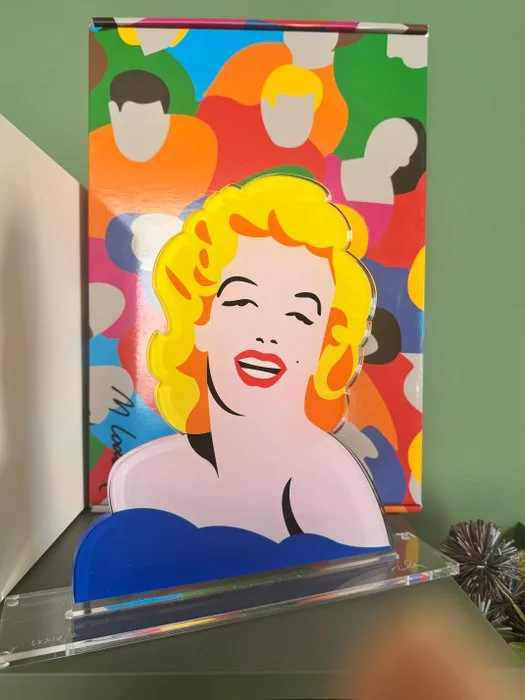
Marco Lodola (1955) - Sculpture, Holliwood‘s Dream - 34 cm - Resin - 2026
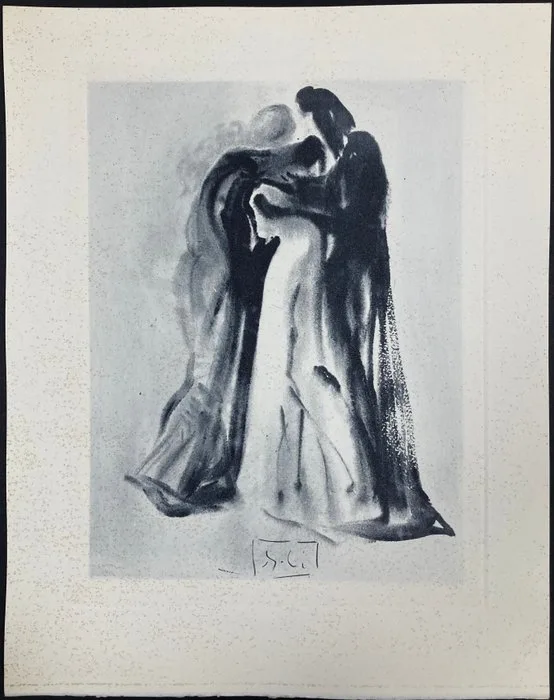
Salvador Dali (1904-1989) - Dante and Beatrice - La Divine Comedie
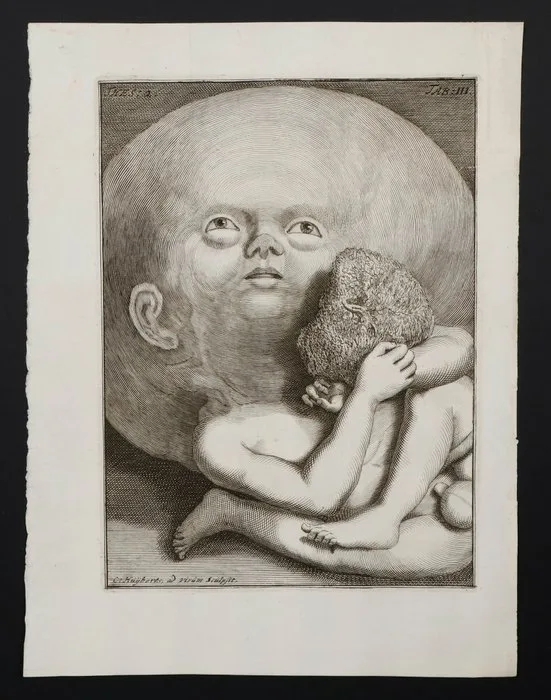
Huijbrechts, C. for Frederik Ruysch - Thesaurus Anatomicus - Wunderkammer Print
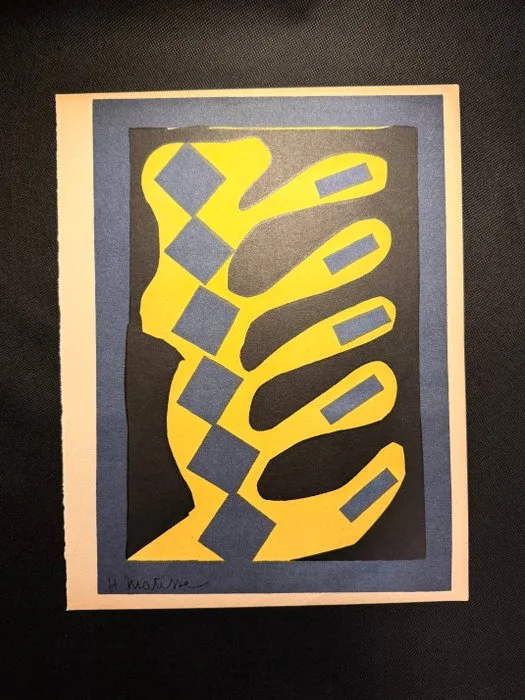
Henri Matisse (1869-1954) - Composition jaune, bleu et noire
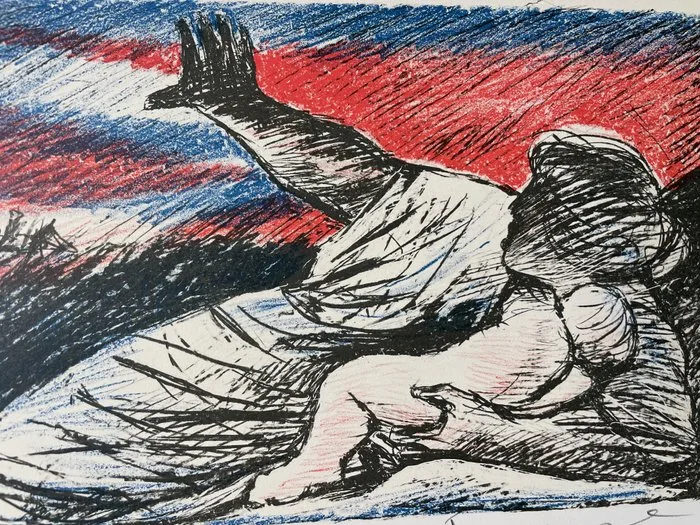
Salvatore Fiume (1915-1997) - Friuli
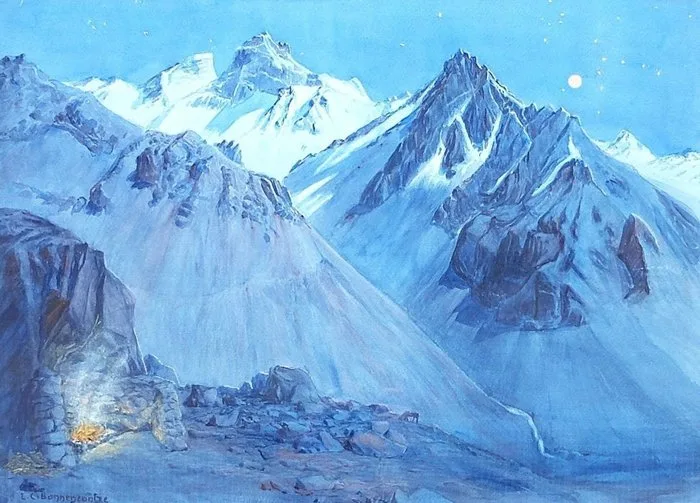
Ernest Courtois de Bonnencontre (1859-1955) - Clair de lune dans les Andes Argentines
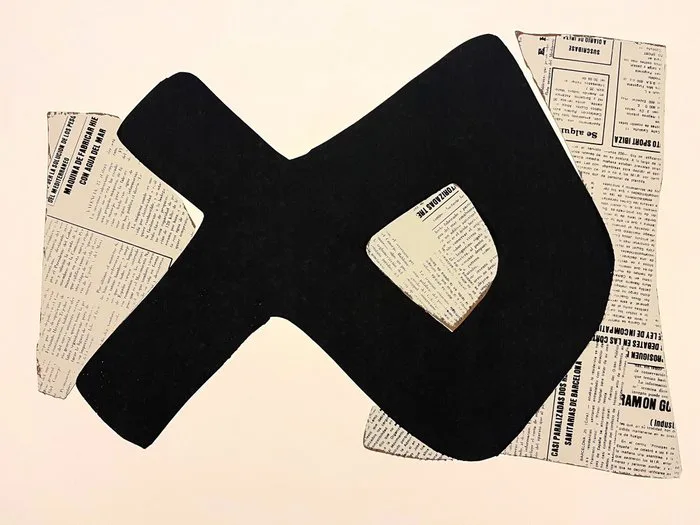
Conrad Marca Relli (1913-2000) - Composition with newspaper
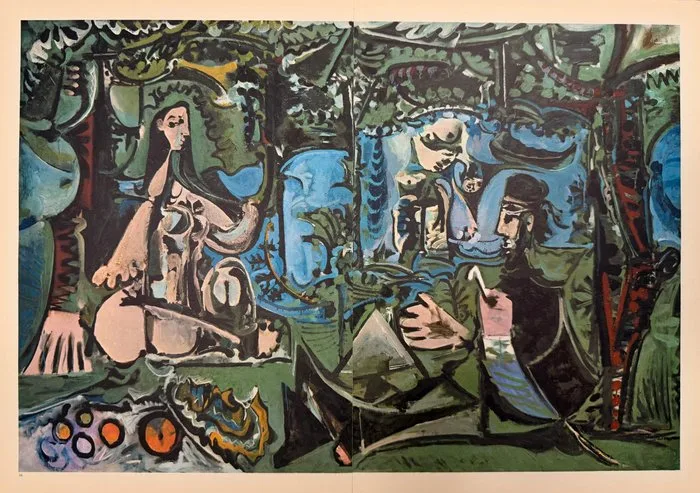
Pablo Picasso (1881-1973) - Les Déjeuners, 1962
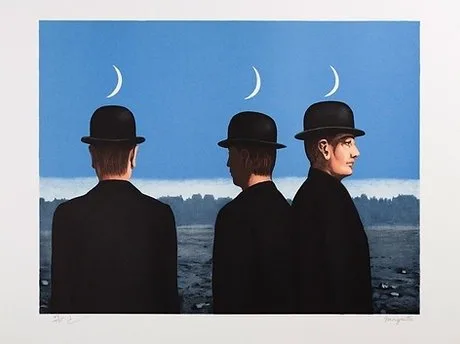
René Magritte (after) - Le Chef d'Oeuvre ou Les Mystères de l'Horizon
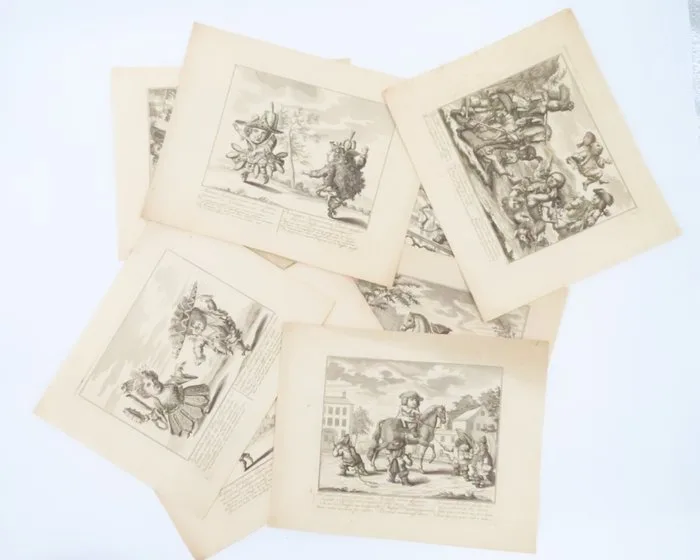
Johan Jacob Wolrab (1675 – 1746) - Karikatuur - Set van 9 satirsche prenten op kleine mensen
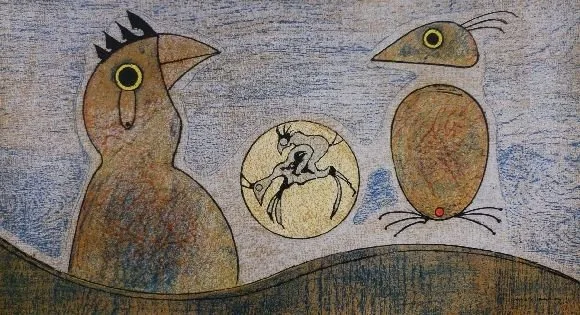
Max Ernst (1891-1976) - Oiseaux
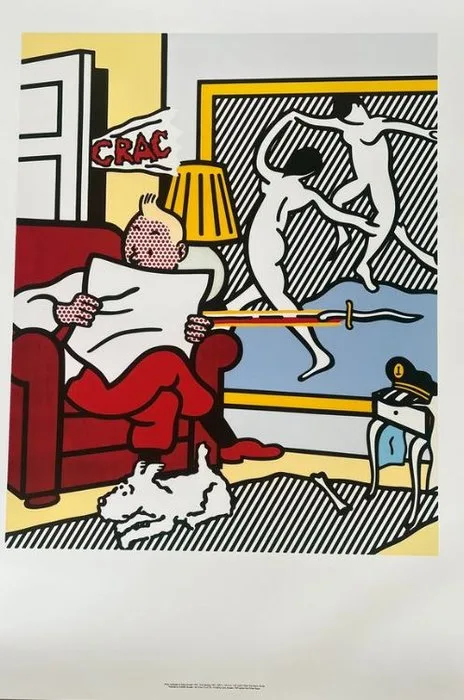
Roy Lichtenstein (1923-1997) (after) - Tintin Reading
What this section contains
Prints and multiples are works made in more than one copy. Here that means lithographs, silkscreens, etchings, engravings, woodcuts, offset prints and giclées, plus a few editioned sculptures. You will find prints by Salvador Dalí, Pablo Picasso, Joan Miró and many other 20th-century artists, as well as 17th- and 18th-century engravings. Most pieces here are between €400 and €1,800.
Techniques in brief
- Lithograph: printed from a flat stone or plate; the most common technique in this section.
- Silkscreen (screenprint): ink pushed through a mesh; flat, bright colour.
- Etching and engraving: lines cut or bitten into a metal plate; look for the plate mark pressed into the paper.
- Woodcut: printed from a carved wood block.
- Offset print and giclée: mechanical or inkjet reproductions. These are usually worth less than hand-pulled prints.
Signatures and editions
The Signature field matters most for value. Hand signed means the artist signed the sheet in pencil or ink. Plate signed means the signature is part of the printed image. A number such as 45/150 gives the size of the edition. Words like after or d'après mean the print reproduces an artist's work rather than being made by or with them.
What to check
Look at the sheet size, whether the print is framed, and the paper: foxing (brown spots), toning and fold lines are common on older paper and are noted under condition. Keep prints out of direct sunlight once hung.
Frequently asked questions
What is the difference between hand signed and plate signed?
A hand-signed print carries the artist's signature added by hand, usually in pencil, after printing. A plate-signed print has the signature built into the printing plate, so it is printed along with the image. Hand-signed prints are generally more valued. Each print on this page states which kind it is in the Signature field.
What does 'after Picasso' or 'd'après' mean on a print?
'After' (d'après in French, da in Italian) means the print reproduces a design by that artist but was not made by the artist personally. Such prints are often published by galleries or museums, sometimes in numbered editions. They are priced well below prints the artist made or signed. The title and description tell you which kind a piece is.
What do the numbers like 45/150 mean?
The first number is the copy's position in the run and the second is the total number printed, so 45/150 is copy 45 of 150. A smaller edition usually means greater scarcity. You may also see marks such as E.A. or P.A. (artist's proofs) and H.C. (hors commerce), which are copies outside the numbered run.
How do I look after a print once it arrives?
Keep paper away from direct sunlight, damp walls and heat sources, since light fades inks and humidity causes spots called foxing. If you frame a print, ask the framer for acid-free mounts and UV-filtering glazing. Handle unframed sheets by the edges with clean, dry hands, and store them flat.