Japanese Art
Woodblock prints, swords and armour, netsuke and inro, bronzes, studio ceramics, folding screens and kimono from Japan, from the Edo period to the present day.
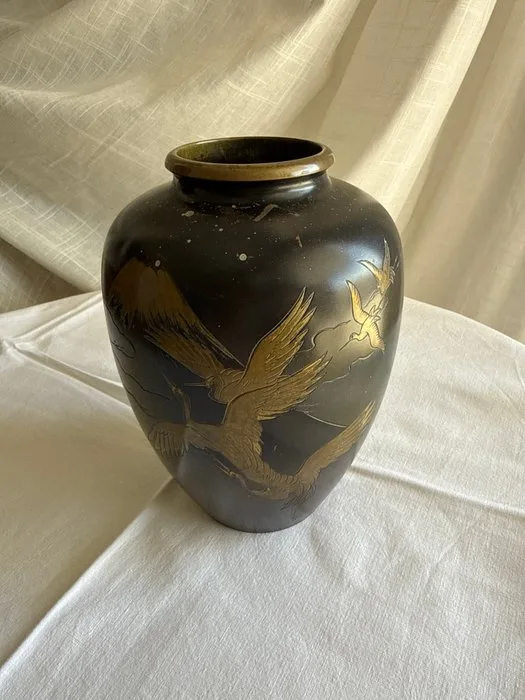
Vase - Bronze, Copper, other - Japan
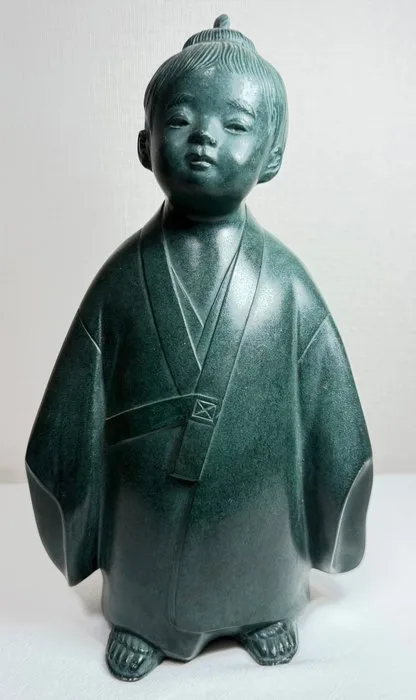
Muga Dōji (無我童子) - Bronze - Kome Jiichi (米治一) - Japan - Shōwa period (1926-1989)
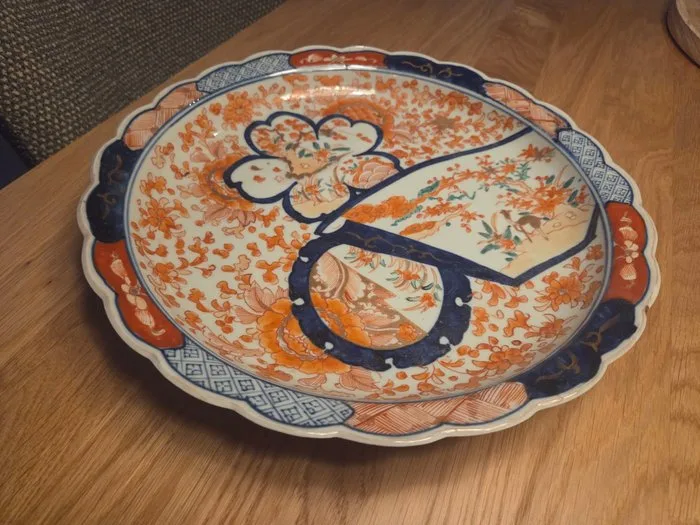
Imari plate with floral and fan decoration - Porcelain - Japan - Meiji period (1868-1912)
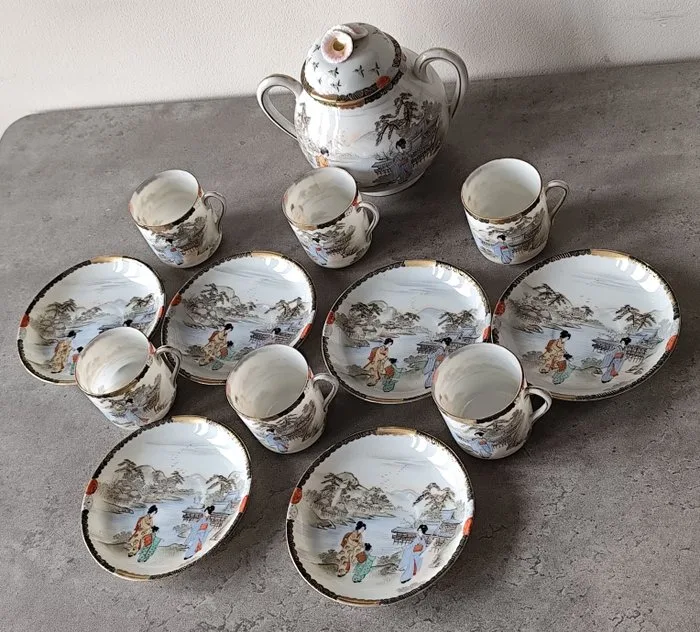
Coffee service - Bone china - Kutani service for 6
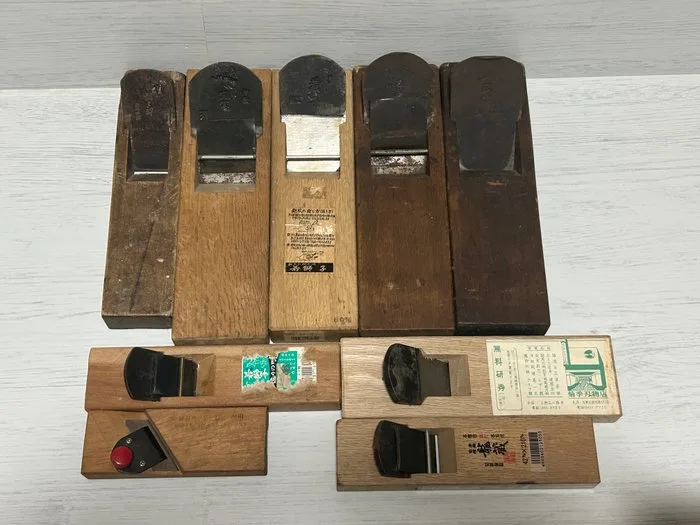
Vintage Japanese Woodworking Planes – 9-Piece Kanna Tool Collection – Showa to Early Heisei Era - Wood, steel, metal components - Sanjo Wakajishi (三條若獅子),Ryuzo (龍蔵),Okesaburo (桶三郎) - Other Traditional Japanese Workshops - Japan - 20th century
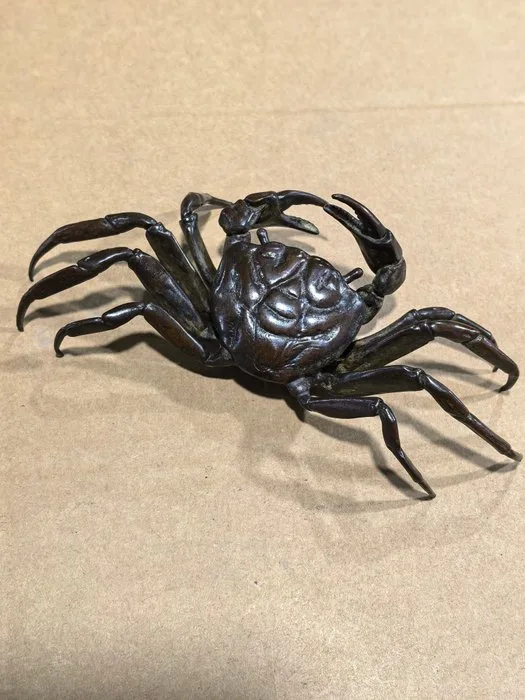
Cast Bronze Crab tea ceremony ornament – signed "Annnosuke" - Sculpture Bronze - Japan
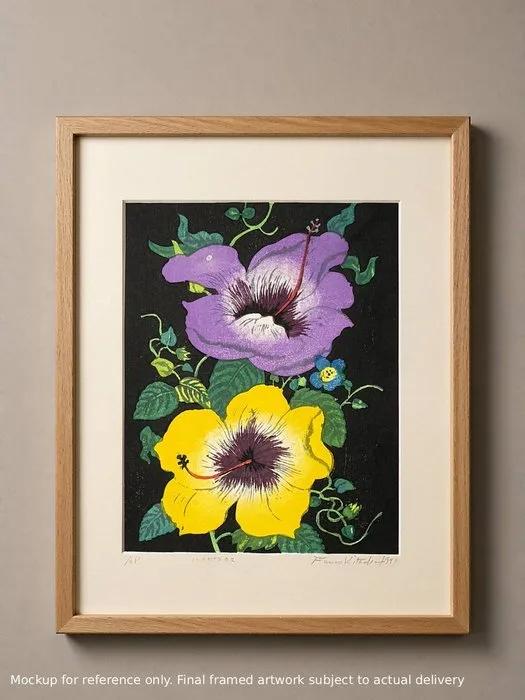
Hibiscus (ハイビスカス) – AP - Fumio Kitaoka (1918–2007) - Japan
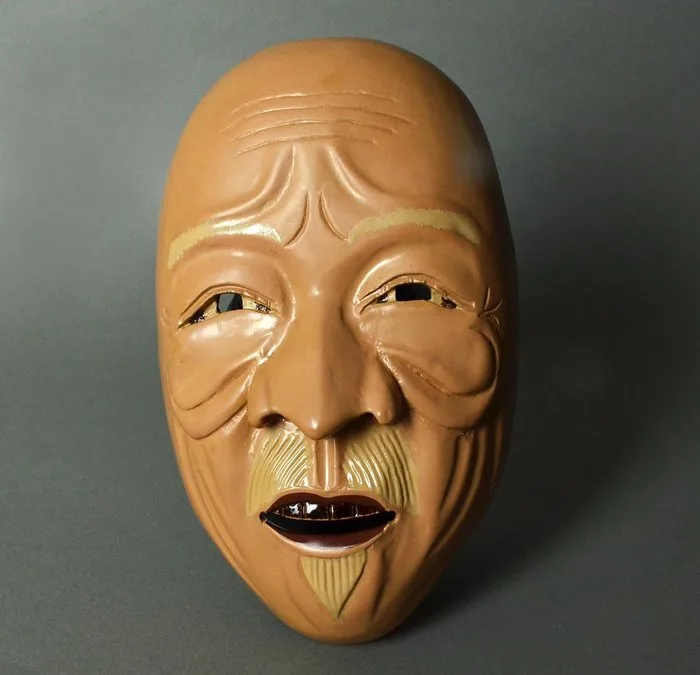
Noh mask - Wood - Jo(尉) w/ Kao
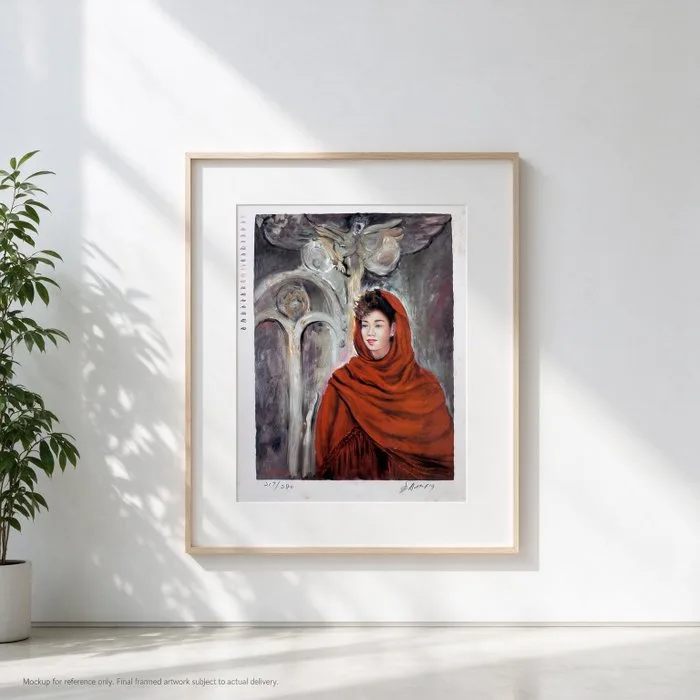
Akai Stole (Red Stole) - Satsuki Midori (五月みどり, born 1939) - Japan
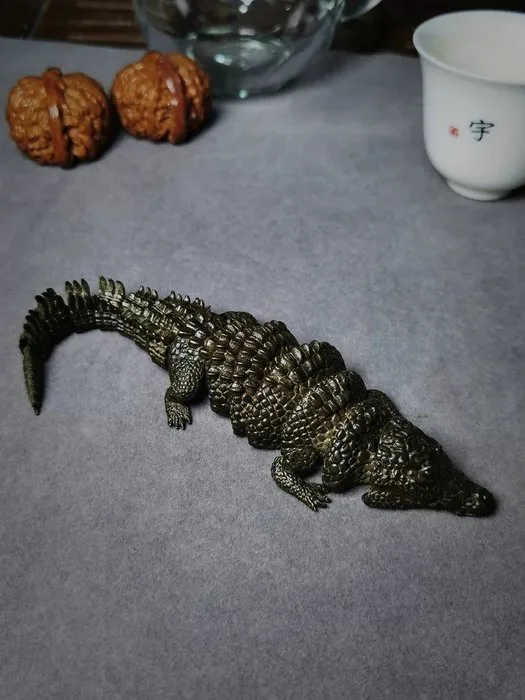
Decorative ornament - Annosuke - Japan - Annosuke Bronze Pangolin
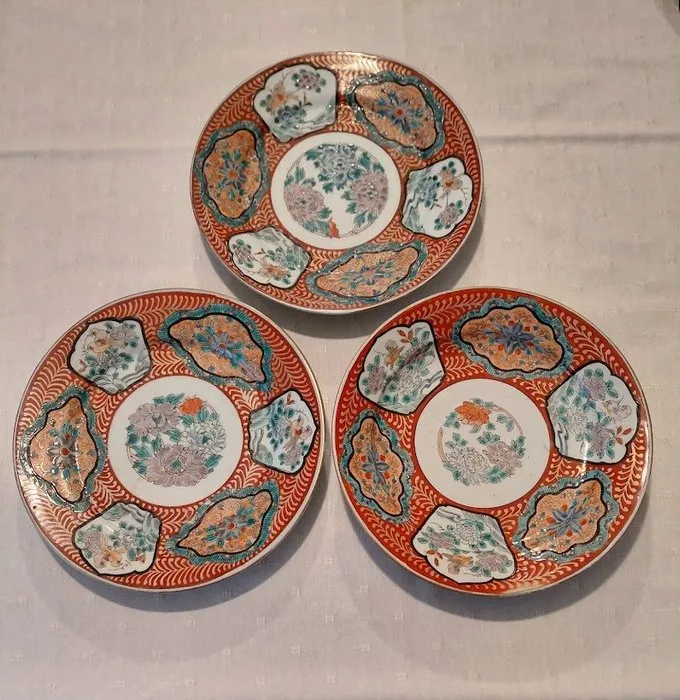
Porcelain - Japan - Meiji period (1868-1912)
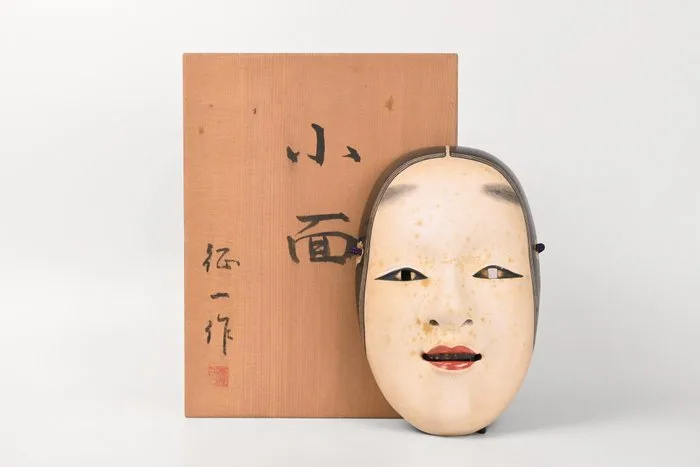
Noh mask - Wood
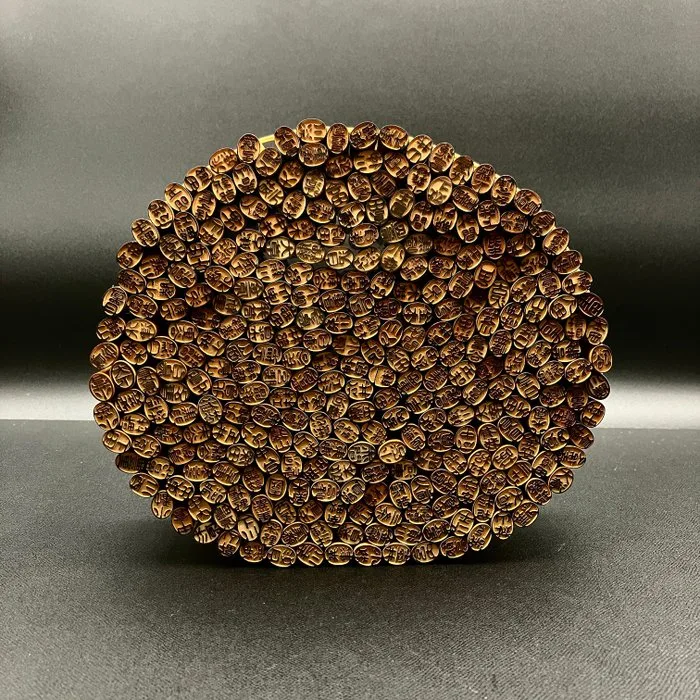
Postmark - Vintage Japanese Hanko Name Seals – Assorted Family Names – 300 Wooden Stamps – Japan - Japan
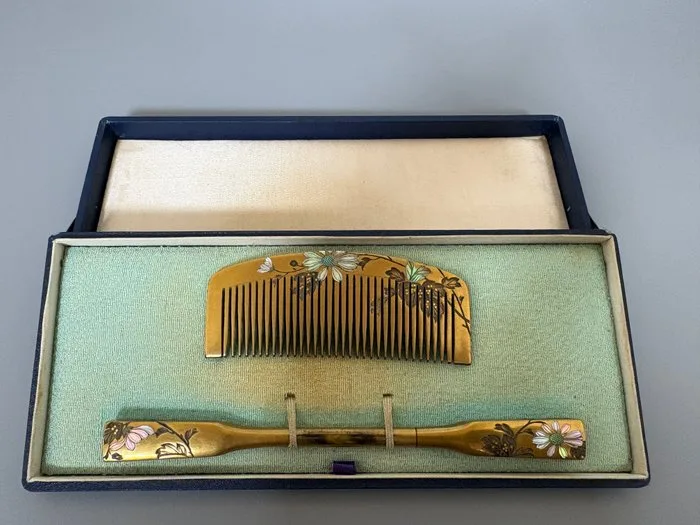
Hair ornament (2) - Japan - Kushi and kōgai set, rade
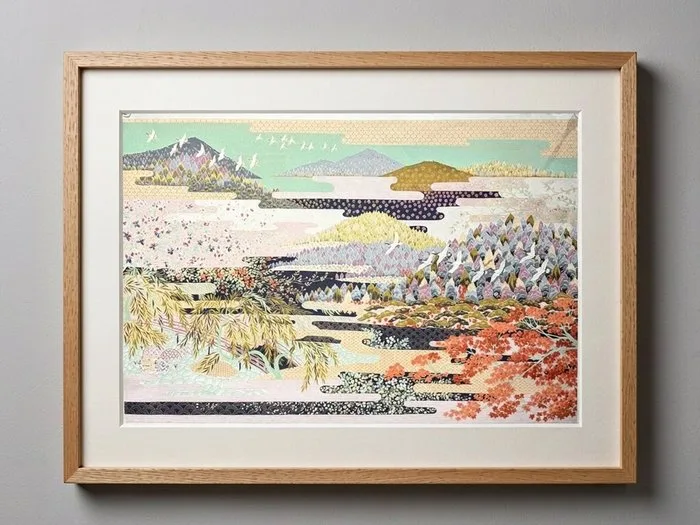
Four Seasons Landscape with Flying Cranes - Sogara Yuzen - Japan
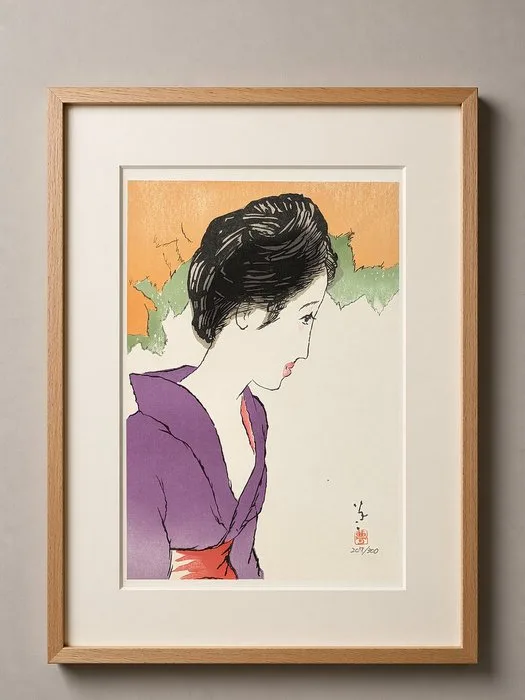
Portrait of a Woman in a Purple Kimono - Takehisa Yumeji (竹久夢二) - Japan
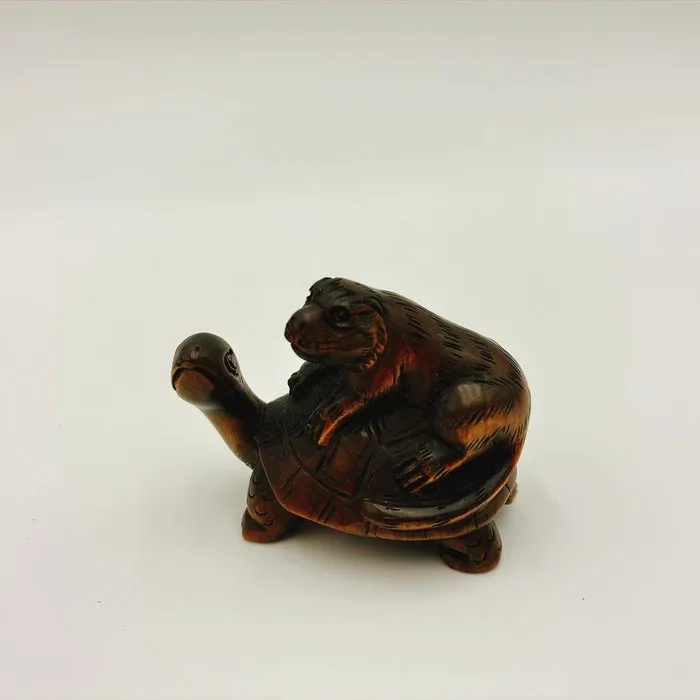
Boxwood Netsuke – Tiger Riding a Tortoise – Japan – Shōwa Period - Boxwood - Japan - Shōwa period (1926-1989)
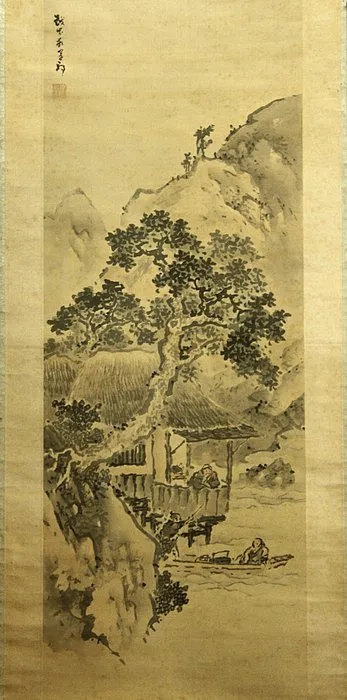
山水 Sansui-ga - With signature and seal 岸駒 Ganku - Japan - Late Edo period
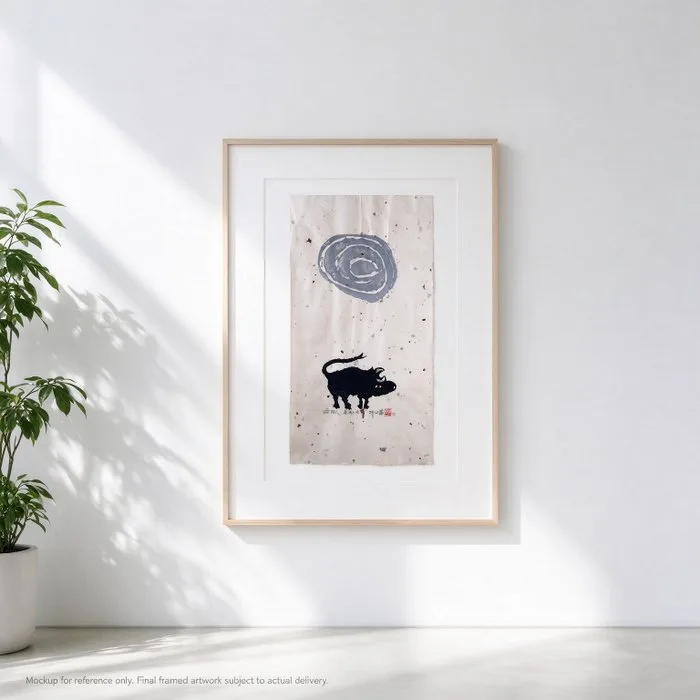
Spring Cloud and Bull (春雲の牛) - Iwao Akiyama - Japan
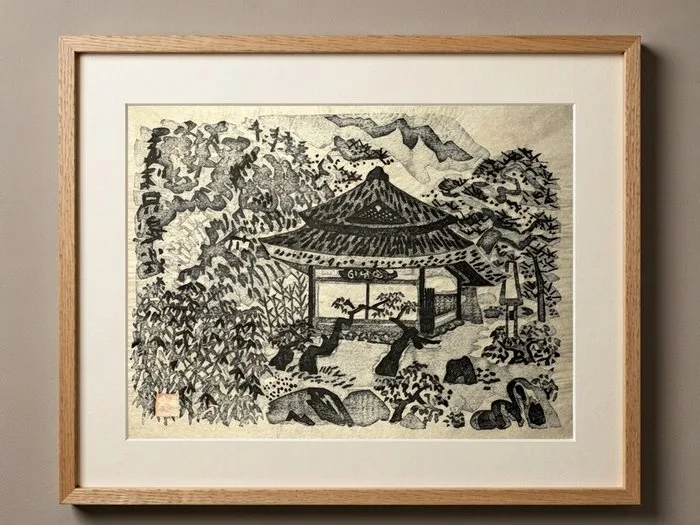
Shimmi Tada Tan (真味只是淡) - Wada Kunibo (1899–1992) - Japan
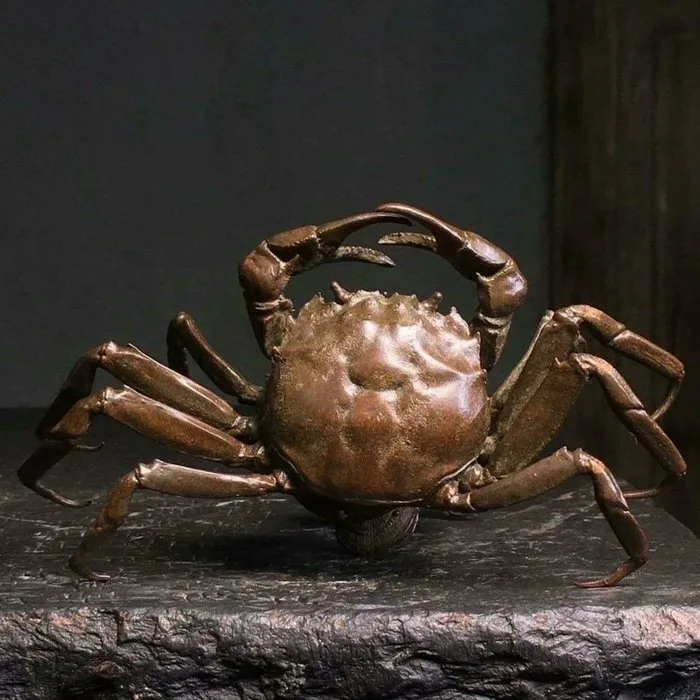
Decorative ornament - Japan - Hairy crab tea pet figure
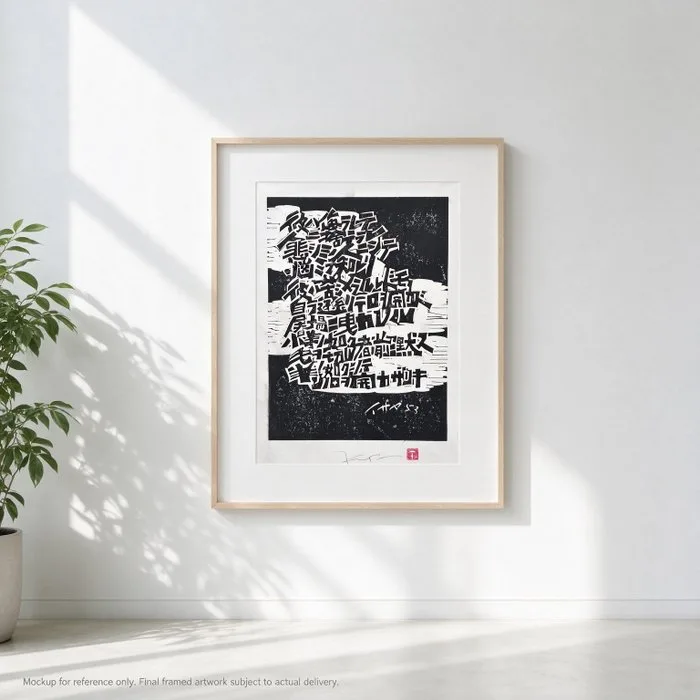
Isaiah 53 – Typographic Composition - Unknown artist - Japan
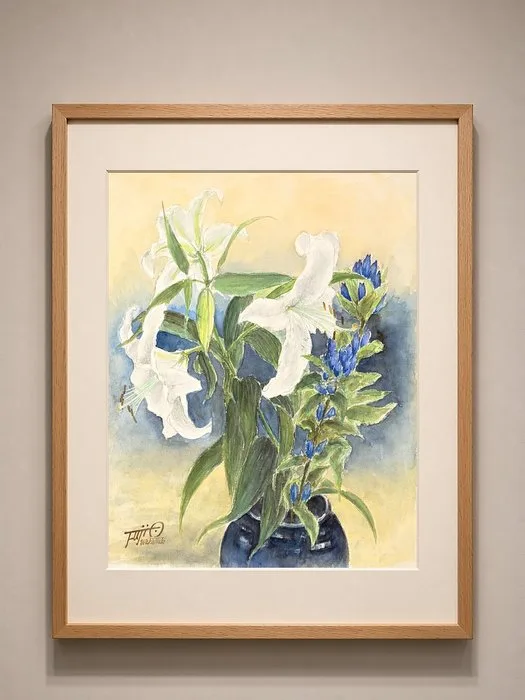
White Lilies and Japanese Gentians - Fujio Wakatsuki (若月富士夫) - Japan
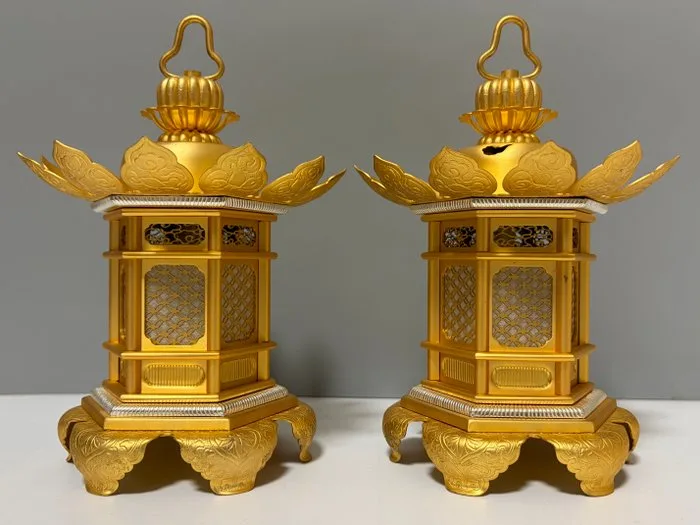
Buddhist hanging altar lanterns (Tsuridōrō-style lanterns) - Lantern (2) - A pair of Japanese Buddhist altar lanterns (Tsuridōrō-style lanterns), crafted in brass with a rich - Brass - lantern/brass/lotus
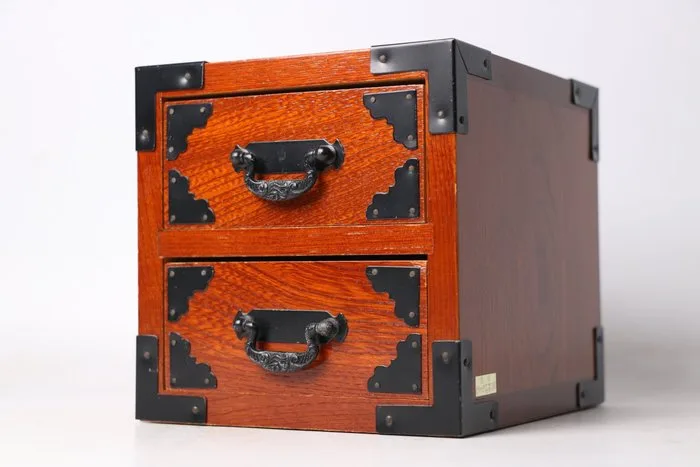
Chest of drawers - Wood - Japan - Two Drawers Black Fitting
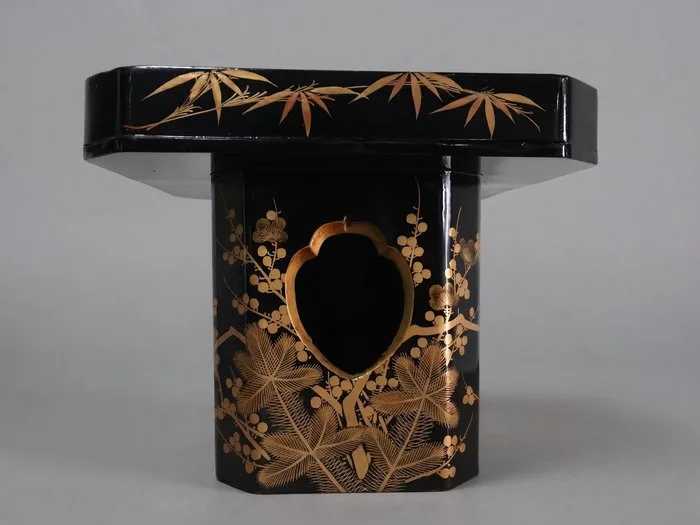
Antique Japanese Black Lacquer Offering Stand (Sanbo) - Gold Maki-e Pine, Bamboo & Plum Motifs - Statue Wood - Japan
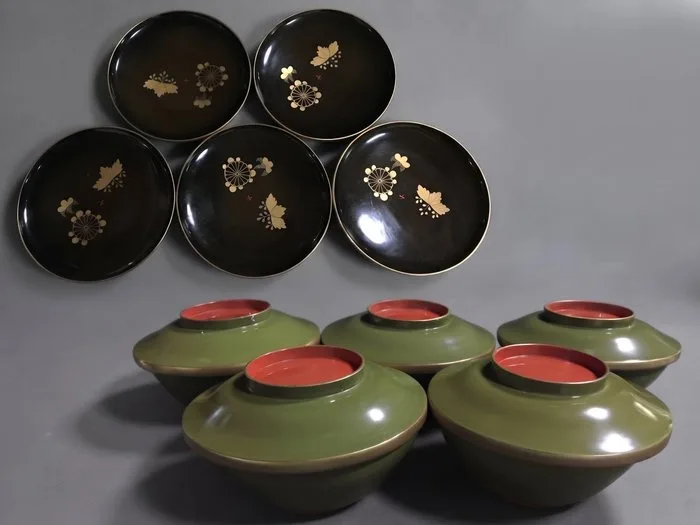
Set of 5 Antique Japanese Lacquer Soup Bowls with Lids - Green & Red Vermilion Exterior with Gold - Statue Wood - Japan
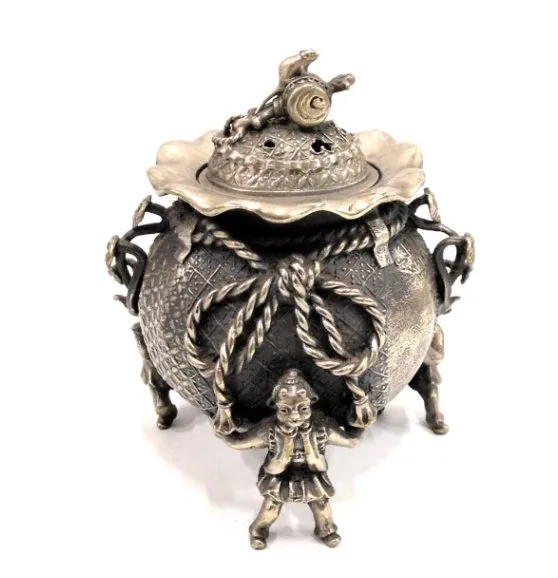
Suga Tsukiyoshi - Censer - Copper - Fortune Bag Censer
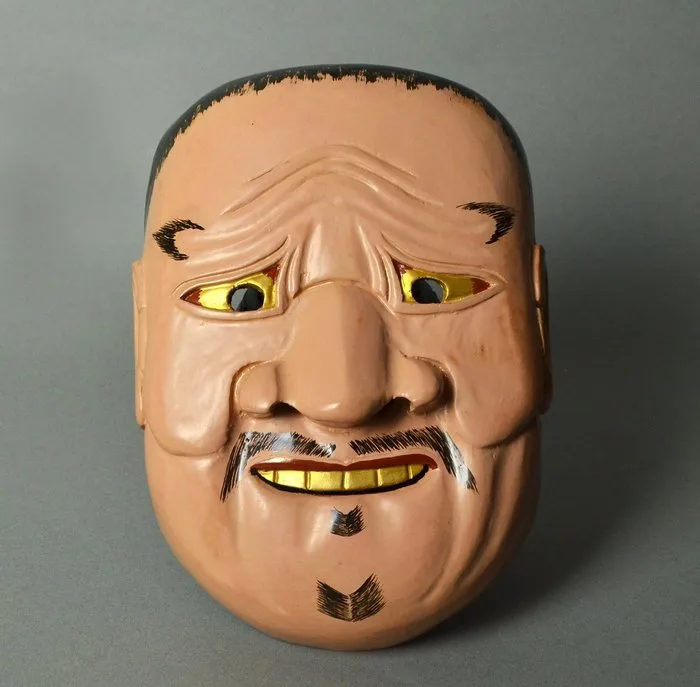
Noh mask - Wood - Otomasugami w/ Kao
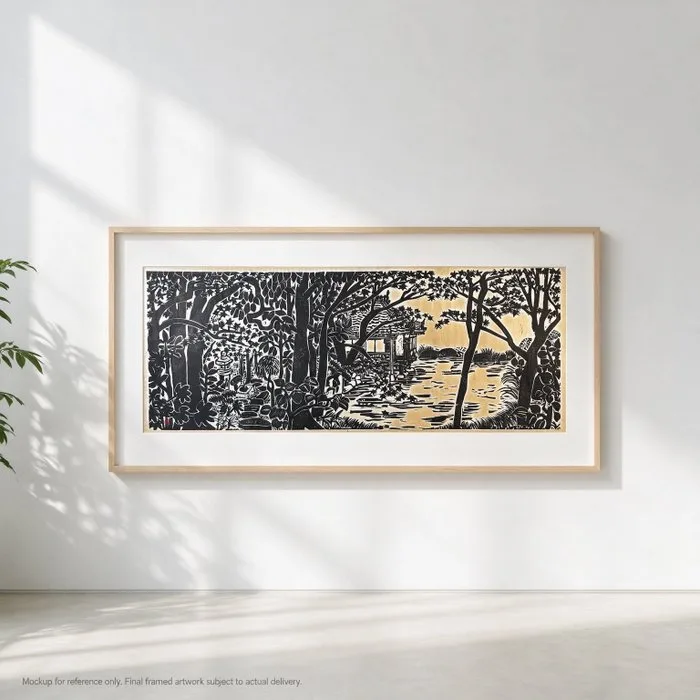
Autumn Landscape at Shūentei Pavilion, Tatsuno Park (Pondside Pavilion in Maple Woods) - Inui Tai (乾太, 1929–2023) - Japan
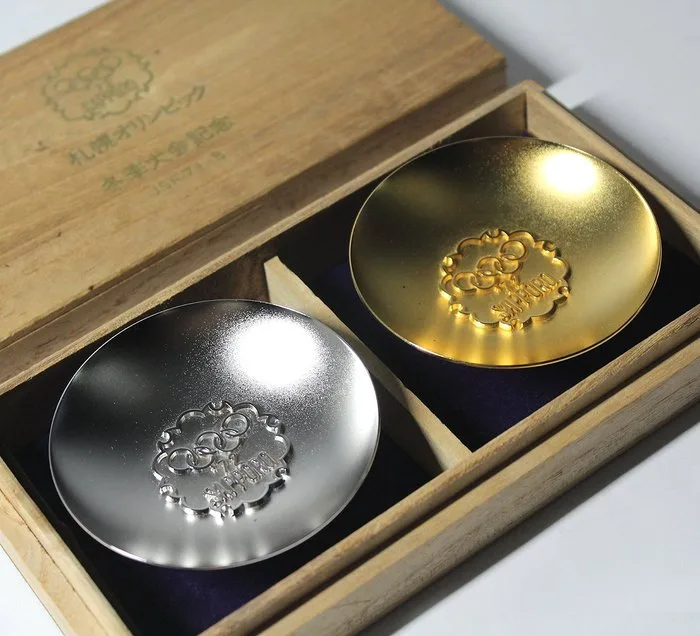
1972 Sapporo Winter Olympics Official Commemorative Sake Cup Set- 24K Gold & Silver Plated Alloy - Alloy, Gold-plated, Silver-plated - Japan - Shōwa period (1926-1989)
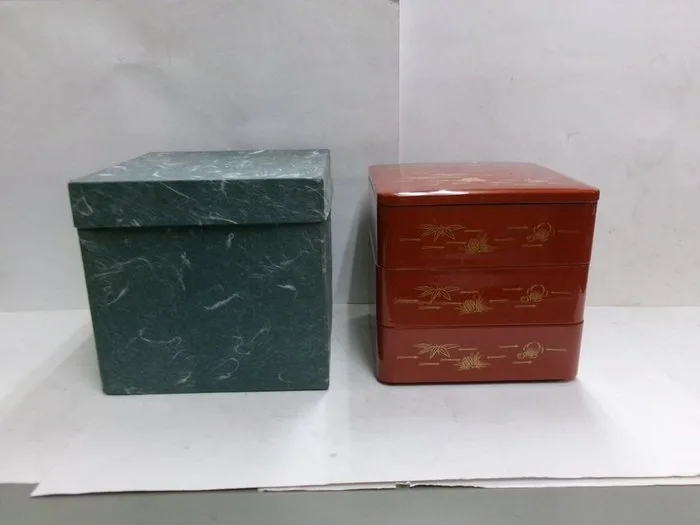
"Izumi" 3-tier lacquered food box (jūbako). - Lacquer - Japan - Shōwa period (1926-1989)
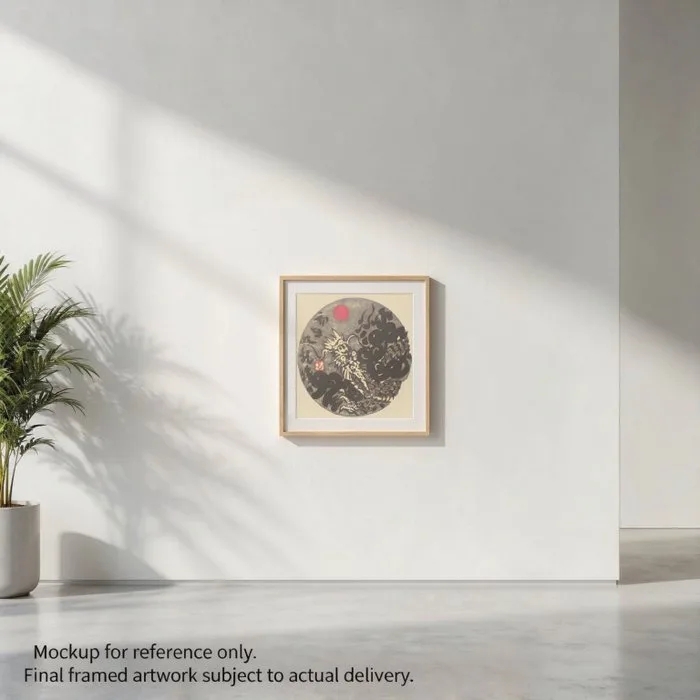
First Sunrise Illuminates the Dragon (初日照龍) - Wada Kunibō (和田邦坊, 1899–1992) - Japan
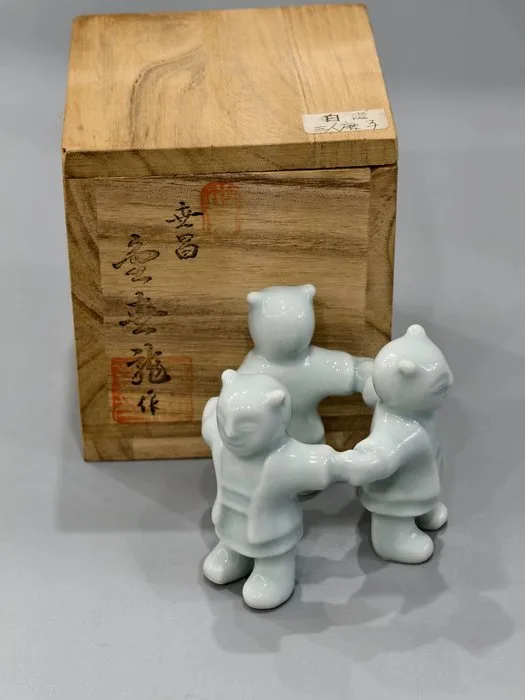
Korean Goryeo Celadon Three Linked-Hand Child Figures, Sechang, Original Box & Certificate 1990 - Sculpture Glazed celadon stoneware, - Japan
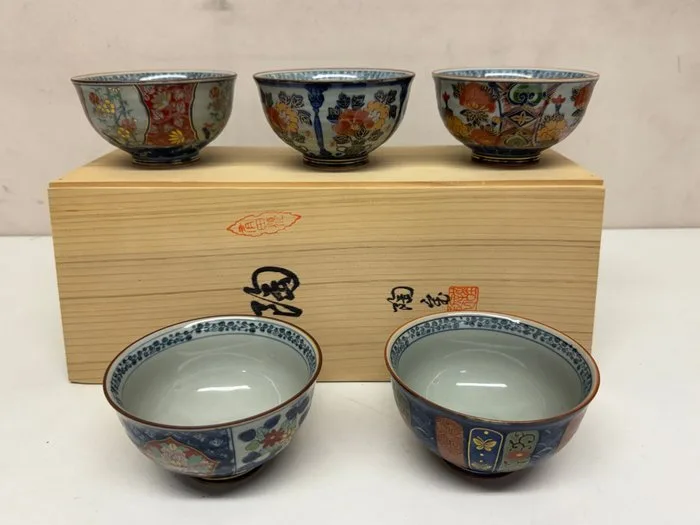
Japanese Vintage Tea Cap Yunomi5Set Aritayaki Imari Namarigama 有田焼 伊万里 那萬里窯 5客 Pottery From Japan - Ceramic - Aritayaki Imari Namarigama 有田焼 伊万里 那萬里窯 5客 - Japan - Shōwa period (1926-1989)
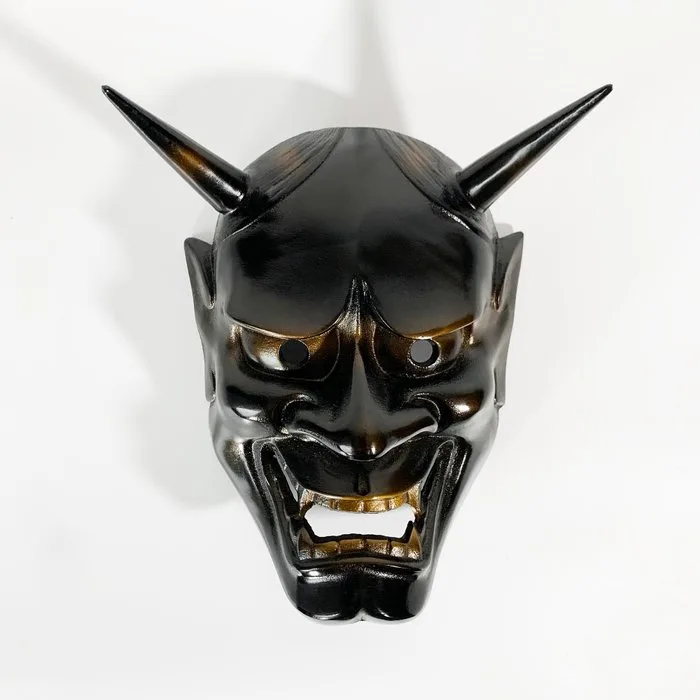
Mask - Iron - Hannya (般若) Noh Mask (没有保留价)
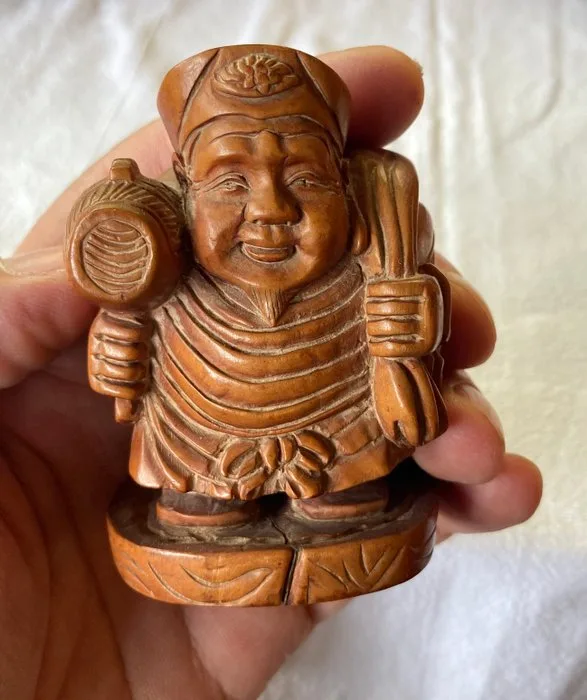
Hand carved figure 政春 - Wood - Masaharu - Japan - Shōwa period (1926-1989)
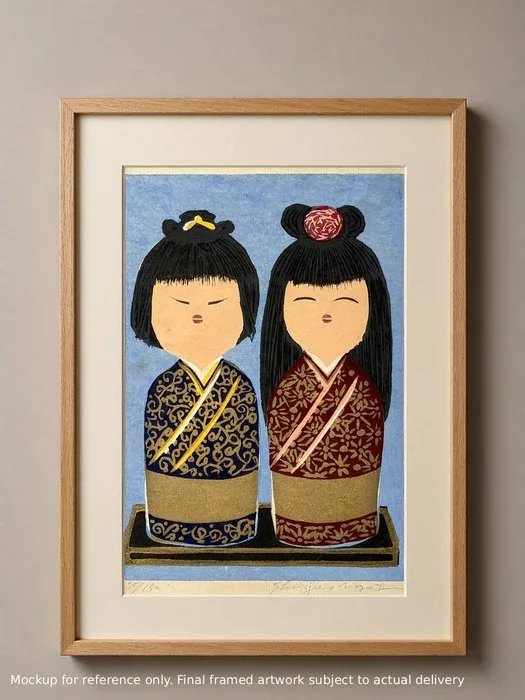
Two Japanese Dolls - Shinjiro Nozaki (1923–2011) - Japan
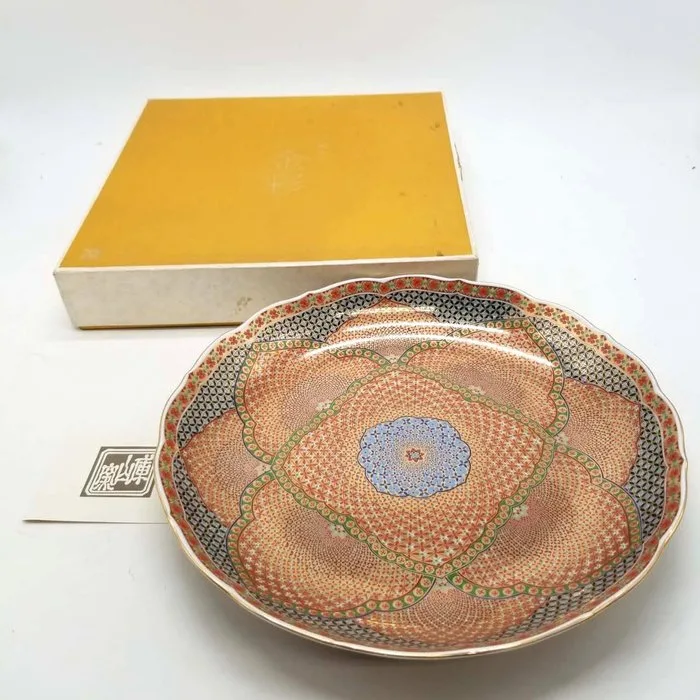
库山窑(Kozan-gama) - Plate - Mino Ware Kozan-gama Gold Gilded - Porcelain - Imari Style Plate
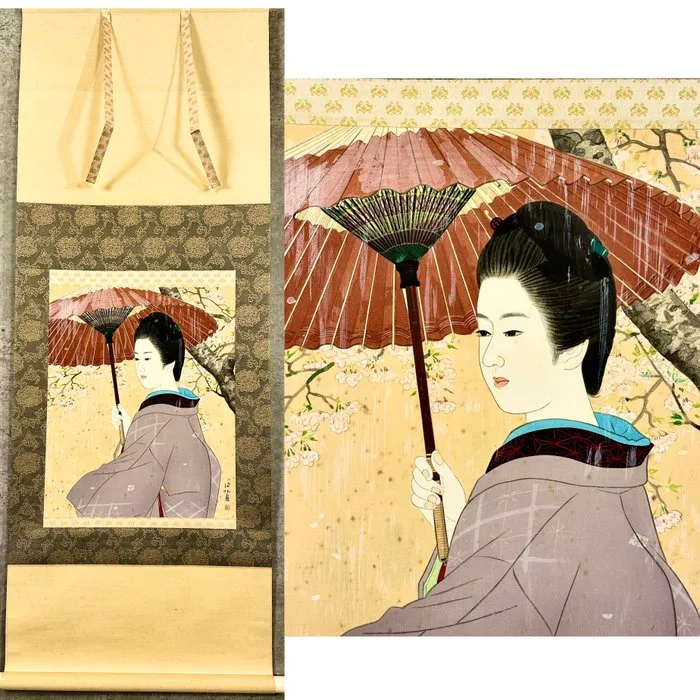
Harusame (Spring Rain) - Paper - Ito Shinsui(1898-1972) - Japan - 20th century
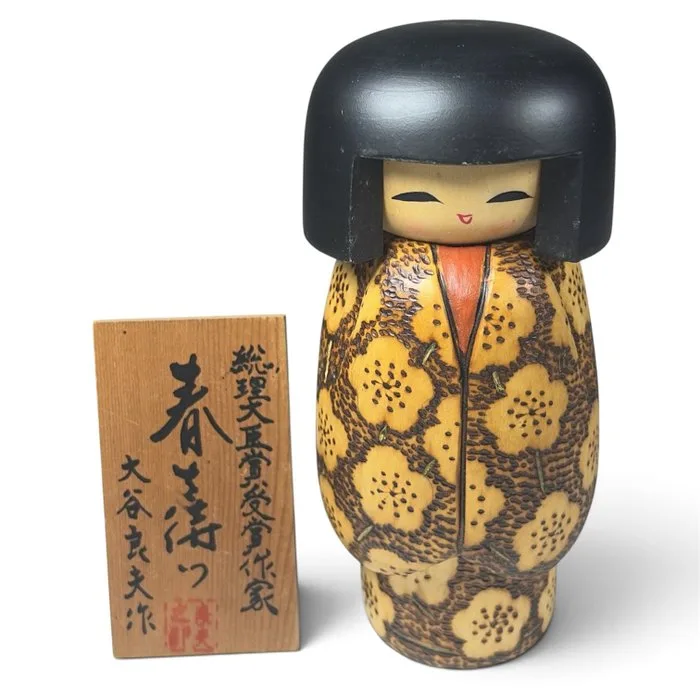
Yoshio Otani - Doll Waiting for Spring Award-winning work of the Prime Minister's Award - 1970-1980
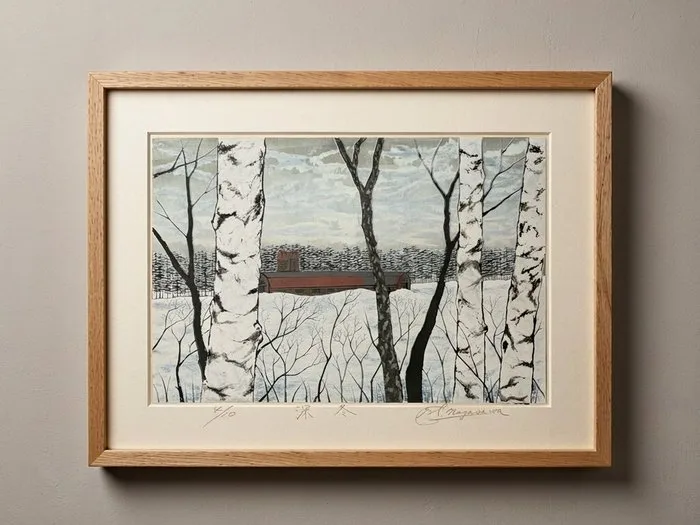
Deep Winter (深冬 / Shinto) - Limited Edition 4/10 - Mitsuru Nagasawa (長澤 満) - Japan
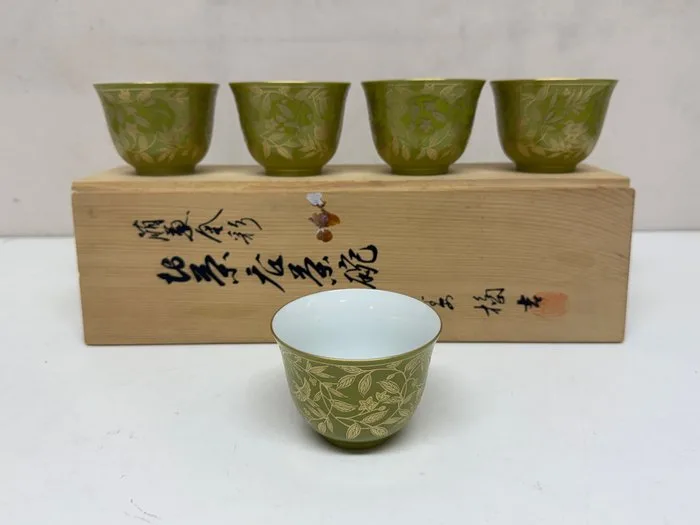
Japanese Vintage Tea Cap Yunomi5Set Minoyaki Moegikinsai Tachikichi 美濃焼 萌葱金彩 たち吉 5客 Pottery - Ceramic - Minoyaki Moegikinsai Tachikichi 美濃焼 萌葱金彩 たち吉 5客 - Japan - Shōwa period (1926-1989)
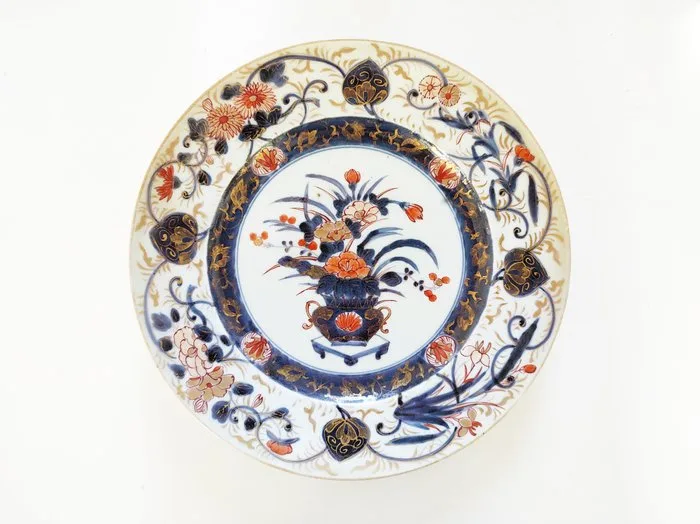
Plate - Imari - Porcelain
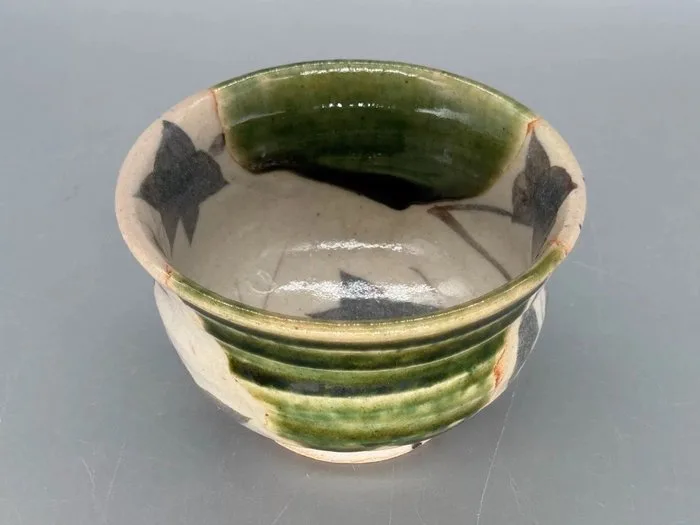
Cup - Ceramic
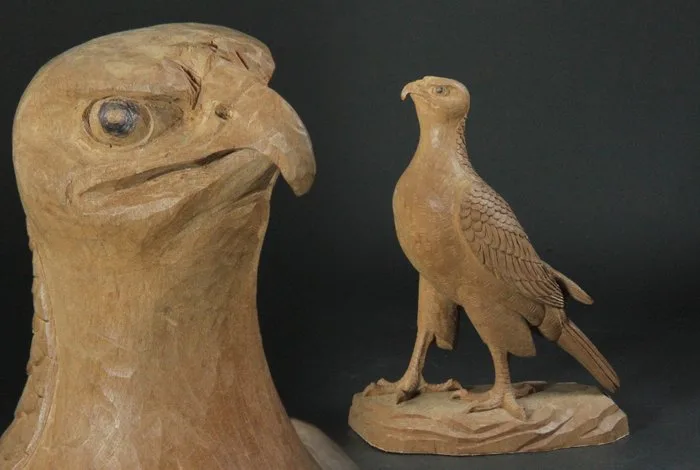
Wooden Hawk by Master Sculptor Tenko Shirasaki(白崎天馨)Signed, with Original Box & Protective Cloth - Sculpture Wood - Japan
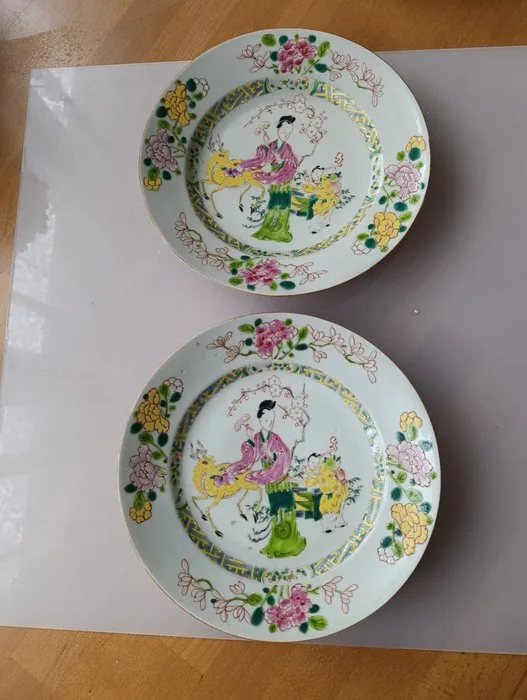
Pair of plates in Famille Rose - Porcelain - Japan - Arita ware
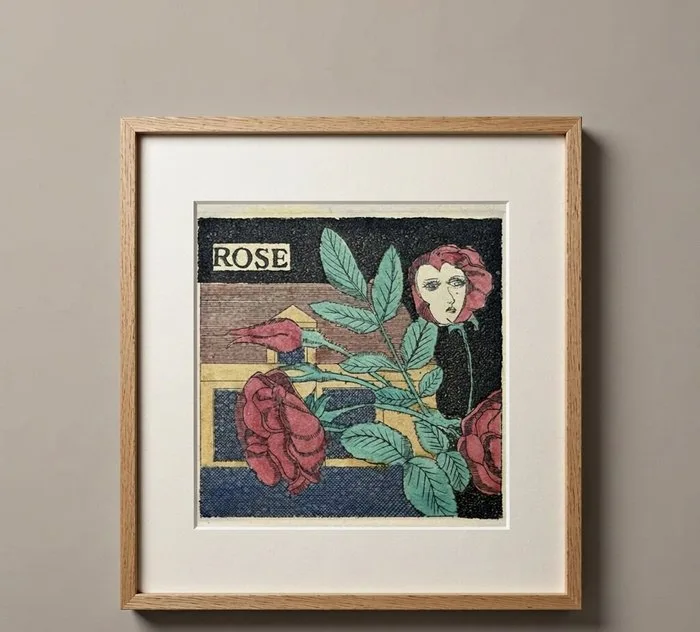
Blümchen (Little Flowers) – Complete Portfolio of 8 Etchings, No. 30/50 - Kiyozumi Yamashita (also known as Muji Yamashita, born 1941) - Japan
What this section contains
Japanese Art covers a wide range: ukiyo-e and modern woodblock prints (Hiroshige, Kunisada, Kunio Kaneko, Hajime Namiki), katana, wakizashi and naginata blades, kabuto helmets and armour, netsuke and inro, bronze okimono and censers, studio pottery such as yunomi, chawan and sake cups, byobu folding screens, and kimono. Most pieces here are between €400 and €4,000; swords and armour sit at the upper end.
Japanese periods
- Edo period (1600-1868)
- Meiji period (1868-1912)
- Taishō (1912-1926) and Shōwa period (1926-1989)
- Heisei period (1989-2019)
The Period field on each listing uses these names, and many pieces here are Shōwa or later.
Swords and armour
Blades are often described by steel (tamahagane is traditional Japanese steel), mount type (a shirasaya is a plain white wooden storage scabbard) and papers. Japanese sword papers from the NBTHK, such as Hozon or Tokubetsu Hozon, are an assessment by that society; if a listing mentions them, ask to see the document. Check your country's rules on importing bladed items before you order.
Prints and ceramics
For woodblock prints, check whether the print is an original edition or a later impression, look for the signature and seal, and note margins and fading. For ceramics, look for the artist's mark and a signed wooden box (tomobako), which adds to value, and check photos for chips and repairs. Condition is described from Excellent to Fair.
Frequently asked questions
What is a tomobako?
A tomobako is the fitted wooden box made to store a Japanese ceramic, bronze or other art object. The lid is often inscribed and signed by the maker, naming the piece. A signed tomobako helps identify the work and usually adds to its value, so listings mention it when one is included.
What are NBTHK papers for a Japanese sword?
The NBTHK (Society for the Preservation of Japanese Art Swords) issues assessment papers for blades, graded Hozon, Tokubetsu Hozon and higher. They record the society's view of the smith, school and period. Papers are a strong help when buying a sword; if a listing mentions them, ask to see a clear photo of the document before ordering.
Can I import a Japanese sword to my country?
Rules on bladed items differ from country to country, and some require a licence or ban certain blades outright. Before ordering a katana, wakizashi or other blade, check the import and ownership rules where you live. Shipping within the EU is usually simpler than shipping beyond it, but local laws still apply.
What do the Japanese period names mean?
Japanese art is dated by eras. The main ones seen here are Edo (1600-1868), Meiji (1868-1912), Taishō (1912-1926), Shōwa (1926-1989) and Heisei (1989-2019). A listing marked Shōwa period, for example, was made in the 20th century. The Period field on each product page shows the era.