Japanese Art
Woodblock prints, swords and armour, netsuke and inro, bronzes, studio ceramics, folding screens and kimono from Japan, from the Edo period to the present day.
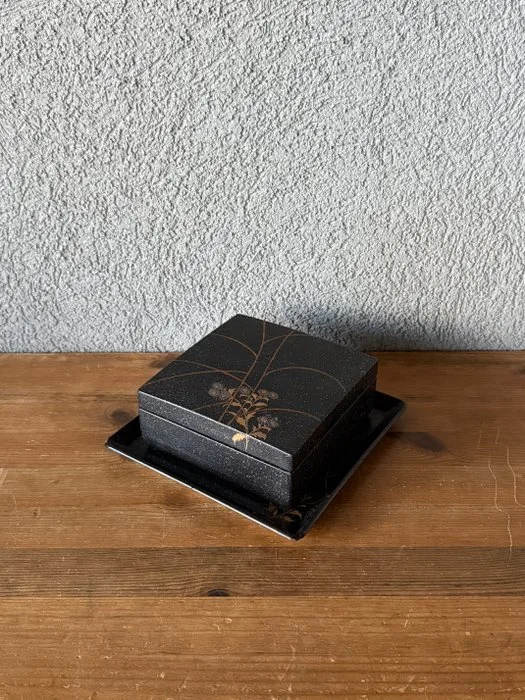
Box - Japanese Black Lacquered Box with Matching Tray and Gold Floral Decoration - Wood
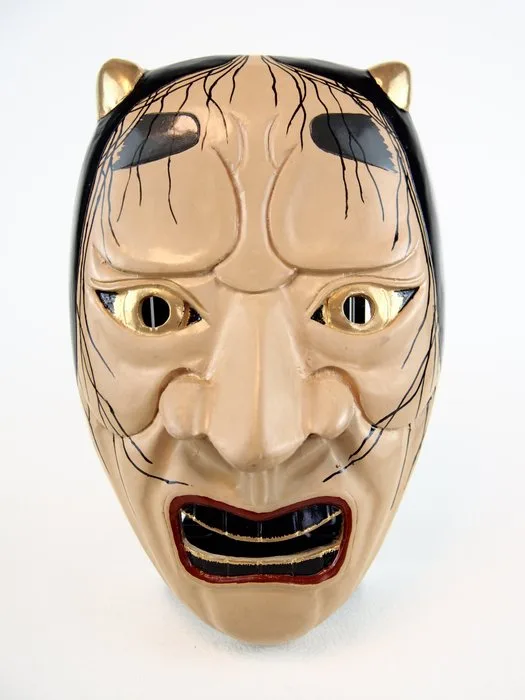
Mask - Wood, Japanese Noh Mask "Namanari 生成" – Wooden Mask, Showa 37 (1962), Inscribed "盛"
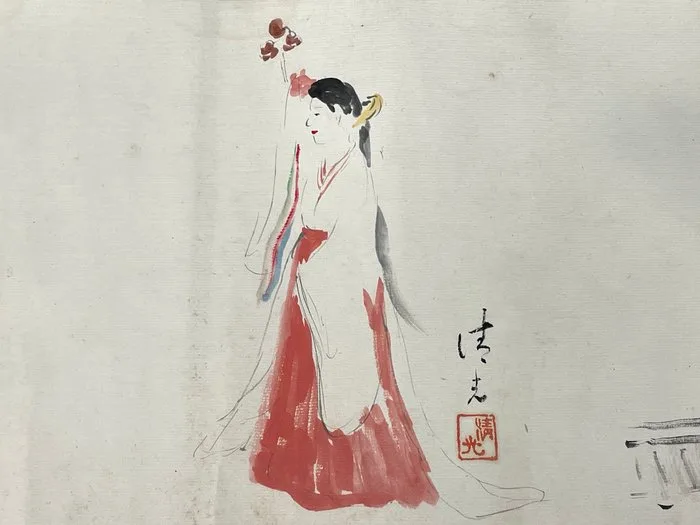
Japanese Hand-Painted Landscape Handscroll - Japan - 20th century
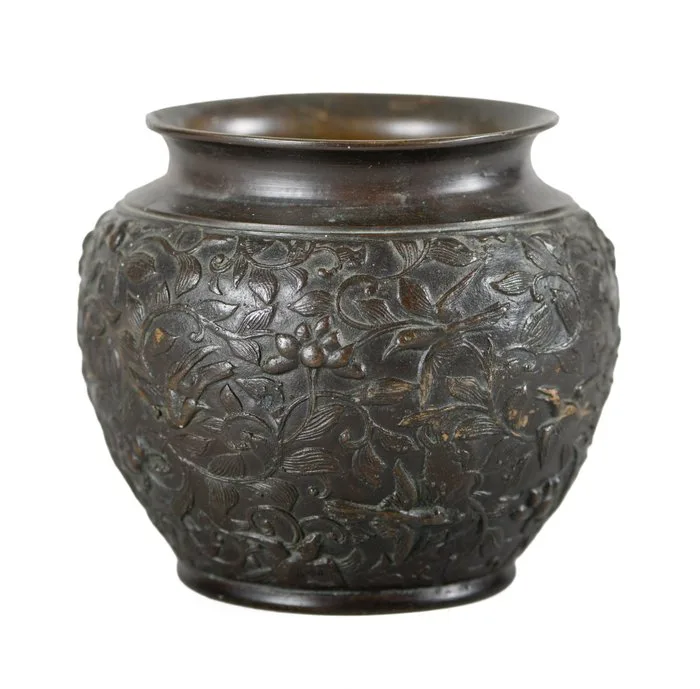
Prachtige antieke bronzen pot uit de Meijiperiode (1868–1912) met Oosters reliëfdecor, Japan, - Bowl - Bronze
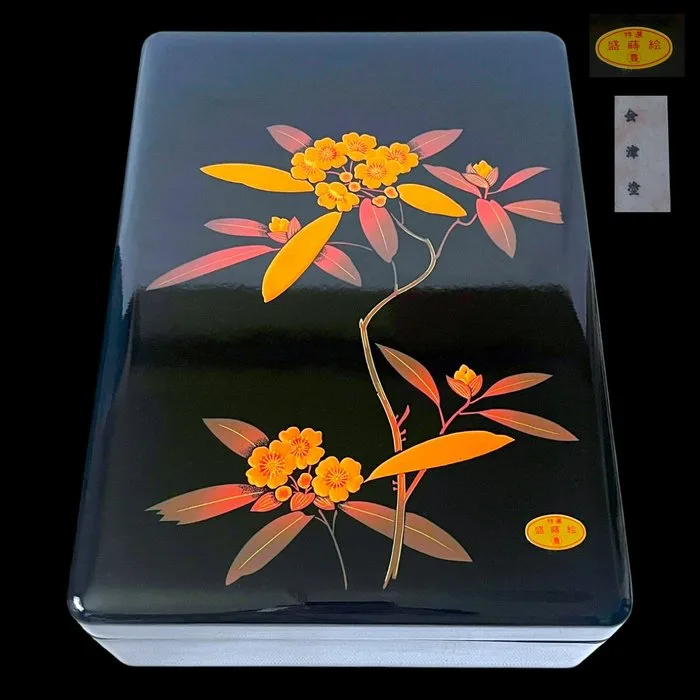
Japanese Aizu Lacquer (会津塗) Fubako 文箱 – Gold Maki-e Rhododendron Design – Shōwa Period - Box - Lacquerware, Gold Powder
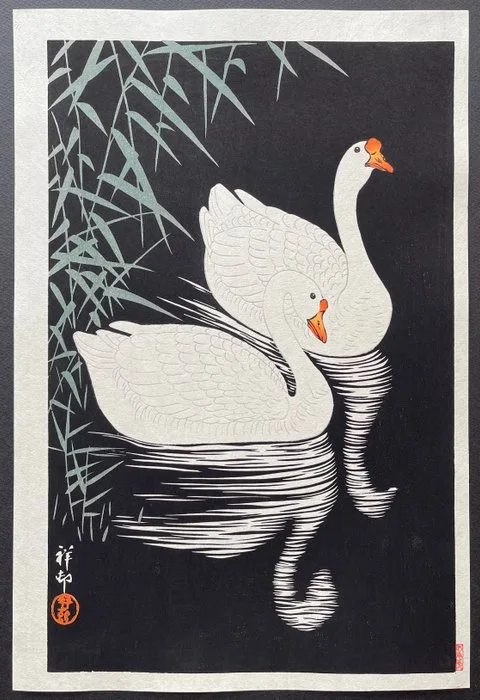
Two Geese Swimming near Reeds - Ohara Koson (1877-1945) - Japan
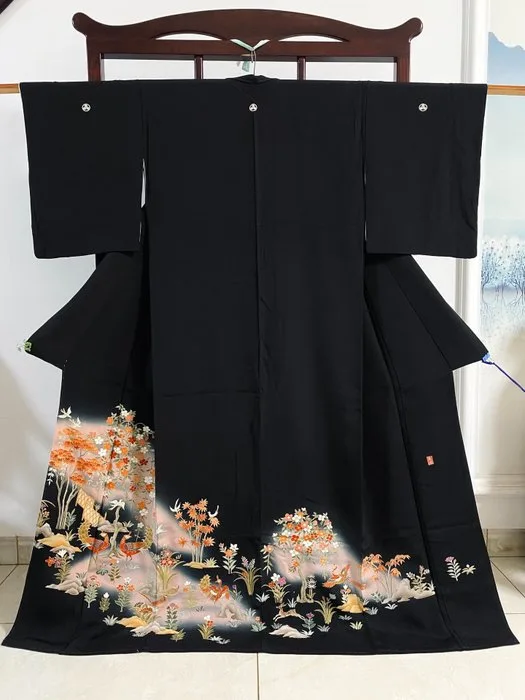
Black tomesode kimono - Japan - Heisei period (1989-present)
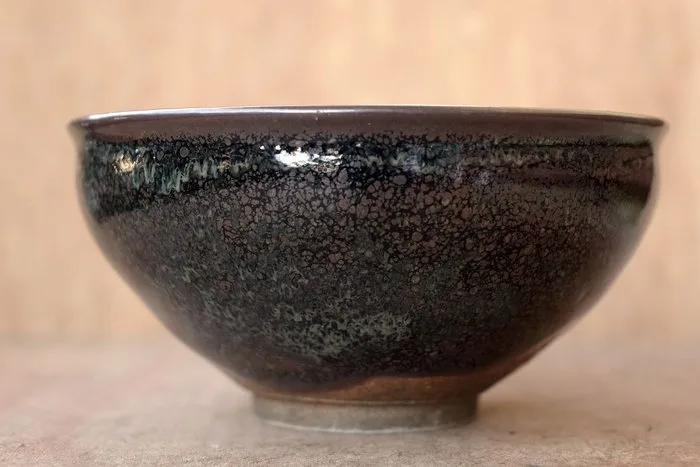
Japanese Oil-Spot Tenmoku Chawan (天目茶碗) - Matcha Tea Ceremony Bowl, with original Tomobako - Bowl - Ceramic
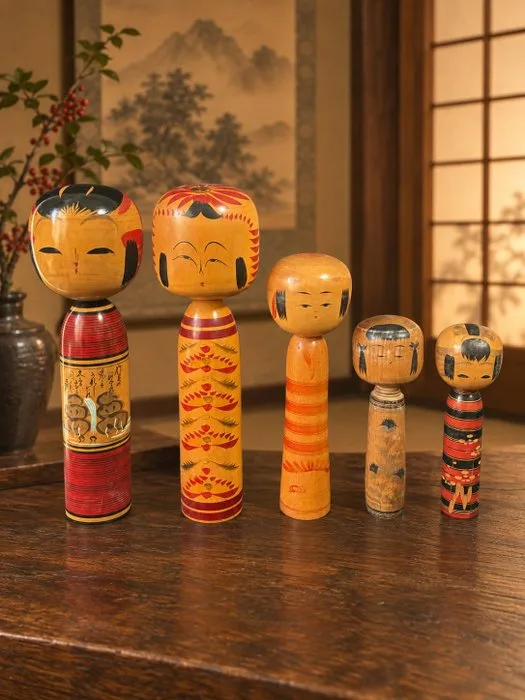
5 Vintage Japanese Traditional Kokeshi Dolls – Signed Artisans – Tōgatta / Tōhoku Folk Art – Japan - Wood - Japan - Shōwa period (1926-1989)
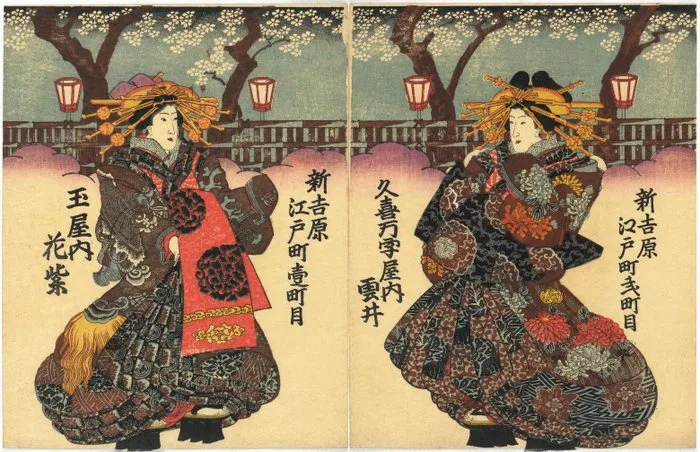
新吉原遊女二人図(二枚組) - Unknown artist - Japan - Edo Period (1600-1868)
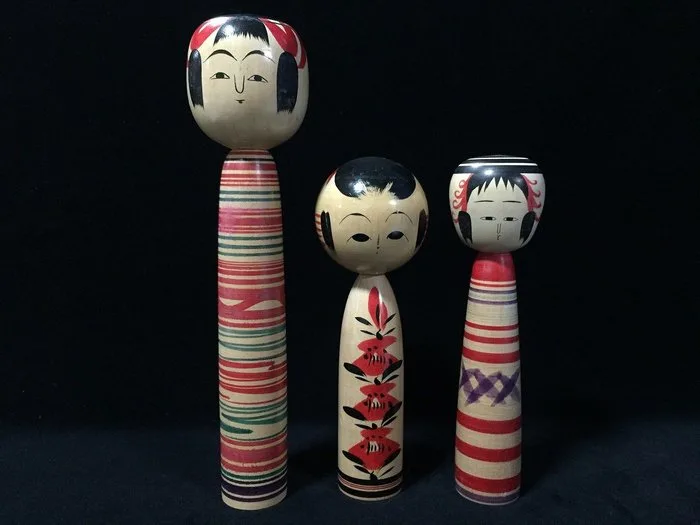
Set of 3 Vintage Traditional Japanese Kokeshi Dolls - Signed Tohuoku Folk Art Crafts - 18-25 cm - Wood - Japan - Shōwa period (1926-1989)
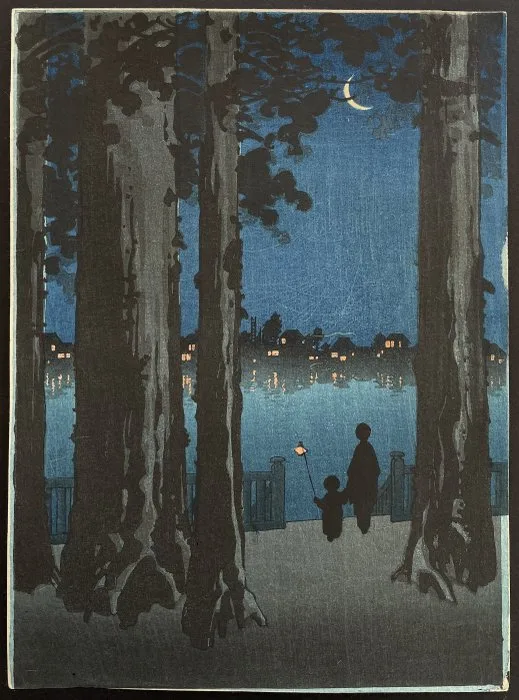
Ueno Park - Koho Shoda (1871-1946) - Japan
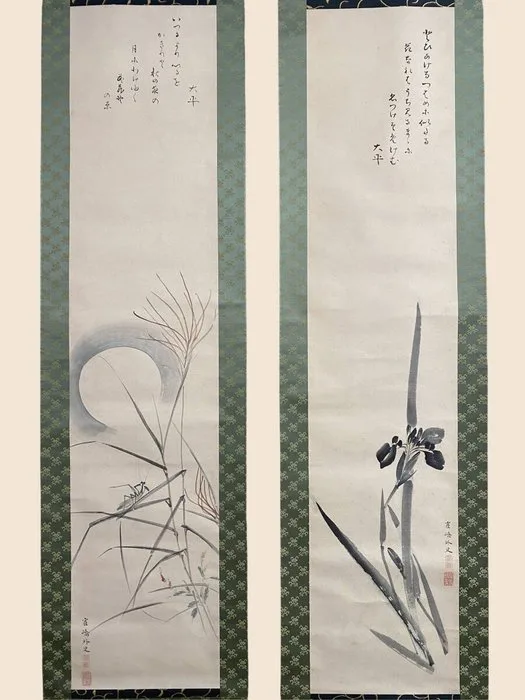
Very fine sumi-e diptych "Irises and Autumn Grasses", signed - Paper - Motoori Ohira (1756-1833) - Japan - Edo Period (1600-1868)
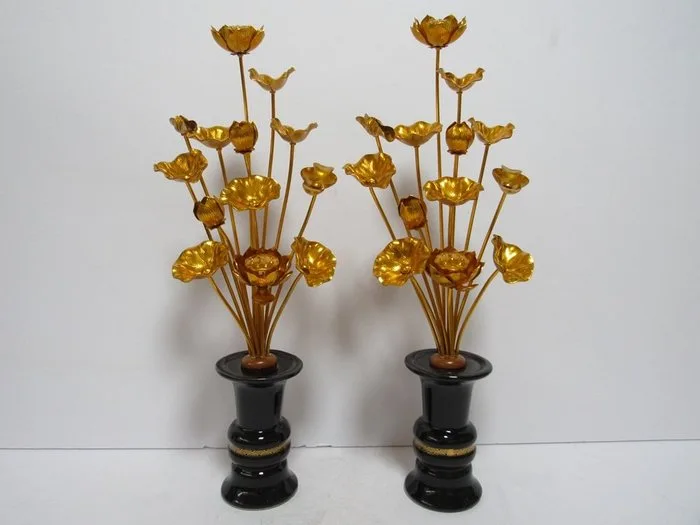
A Pair of Jyôka常花 (gilded temple flowers - lotus) with brass vases - Brass - 1960-1970 - flower/lotus/buddhistic
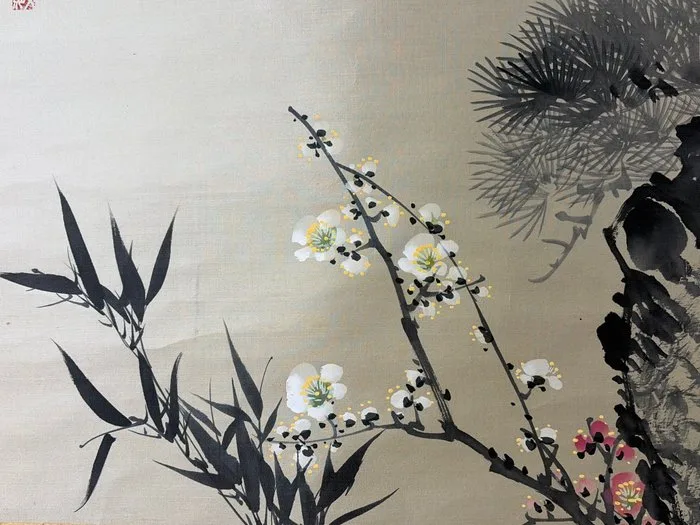
The Three Friends of Winter - Pine, Bamboo and Plum blossom - Silk - Fumiko 文紅 - Japan - Shōwa period (1926-1989)
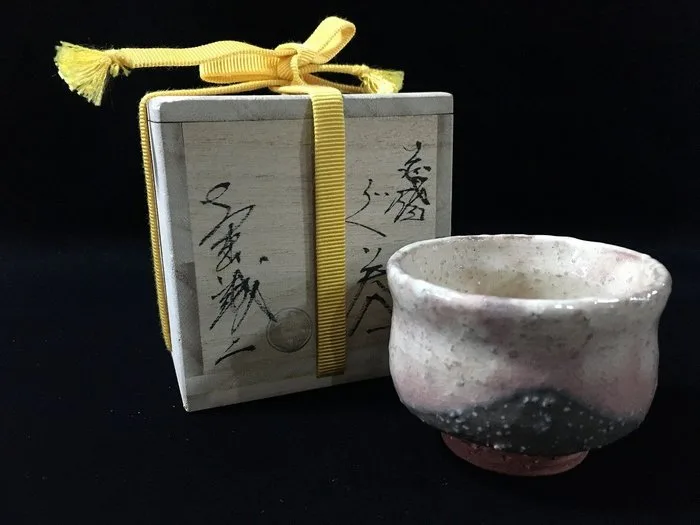
Japanese Hagi Ware Seiji Ono Taiseigama Sake Cup Guinom Tomobako Shiori - 6cm - Statue Pottery - Japan
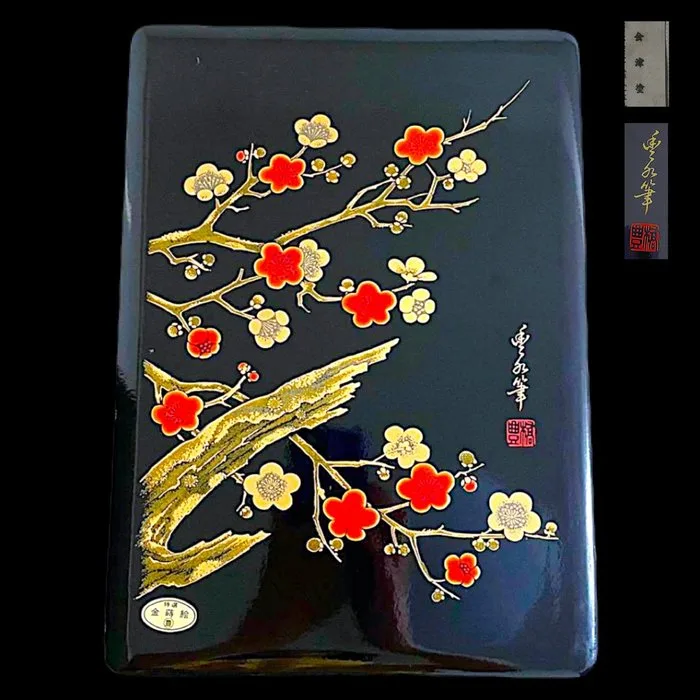
Japanese Aizu Lacquerware (会津塗) Fubako (文箱) with Red Plum Blossom Gold Maki-e – Signed Toyohashi - Box - Lacquerware, Gold Powder - Fubako
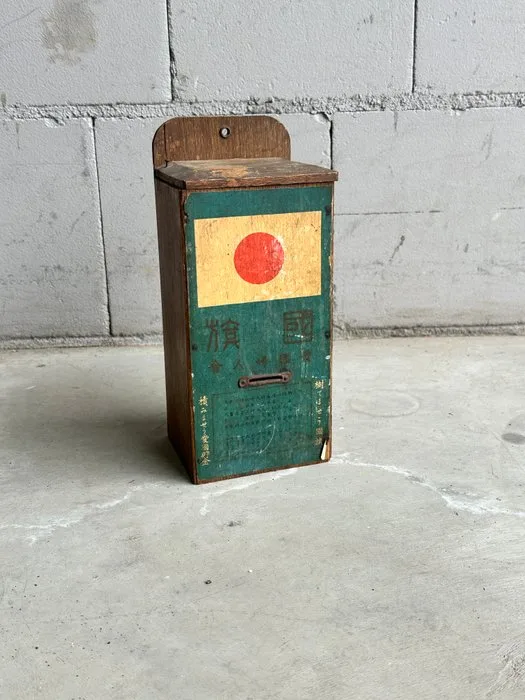
Box - Wood, Metal - Japanese Wall-Mounted Savings Box
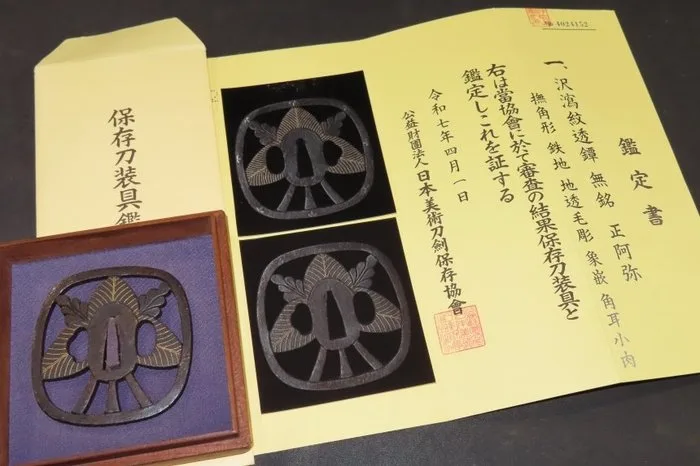
Katana - Forged Iron - C6-283 Daito Omogatamon Sukashi Tsuba w/NBTHK Hozon Judgement paper : Shoami - Japan - Edo Period (1600-1868)
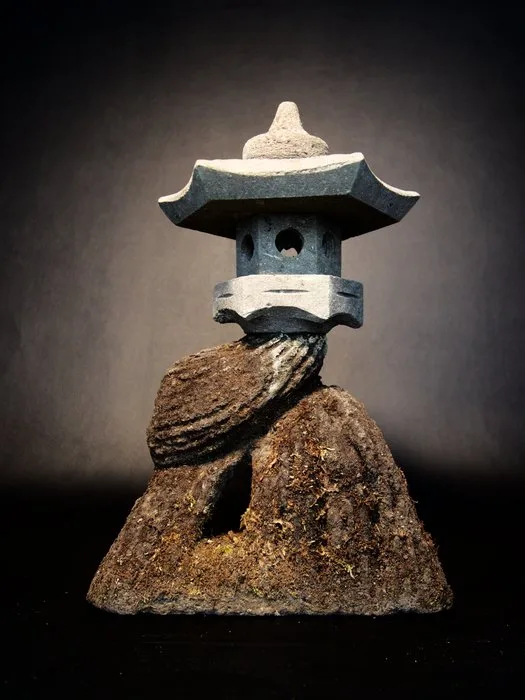
Japanese Stone Lantern 石灯篭 Moss-covered Garden Ornament - Natural stone (tuff) - Lantern - Stone
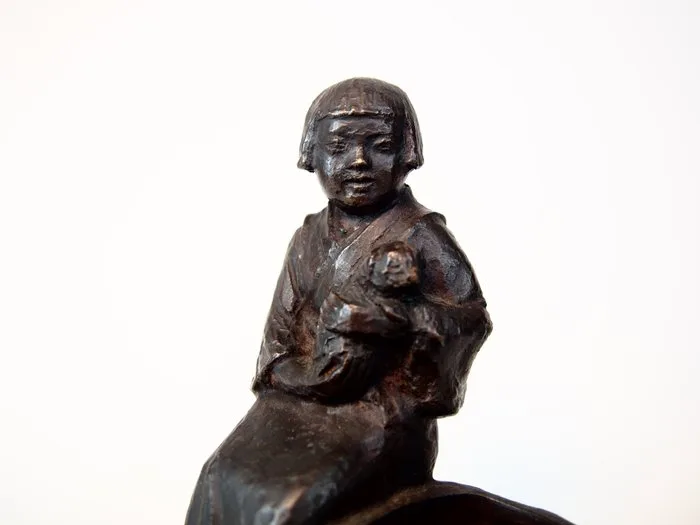
Japanese Bronze Sculpture & Smoking Set – Girl Holding a Puppy, Ashtray and Tobacco Container - Bronze - Shiro Nakano 中野四郎 - Japan - Shōwa period (1926-1989)
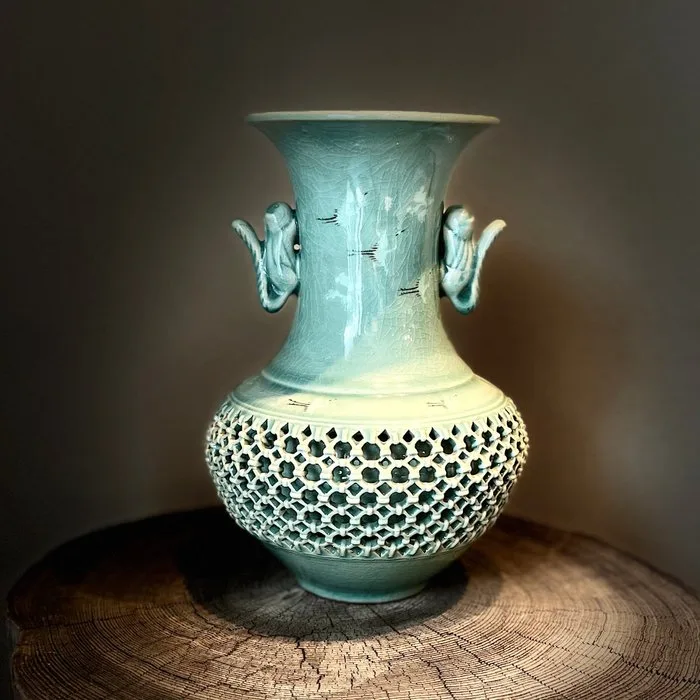
Vase - Porcelain - South Korea - 柳昌坤 Yoo Chang-gon - Goryeo-Style Celadon Vase
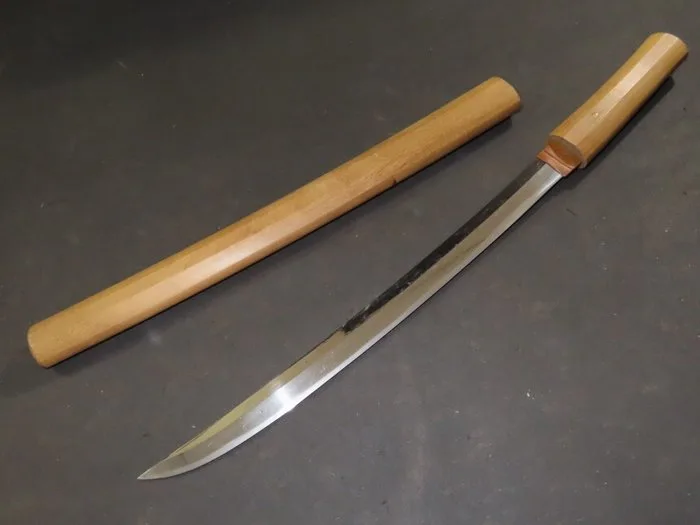
Katana - Tamahagane Steel - A5-973 Nagamaki Naoshi Wakizashi w/White Sheath - Japan - Muromachi period (1333-1573)
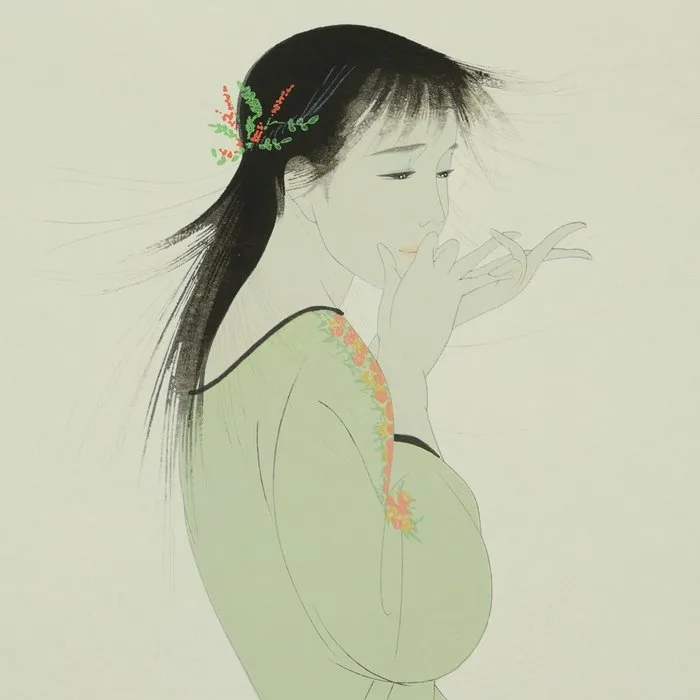
Original Woodblock Print - 'Kaze no Omoi' 風の想い (Thoughts of Wind) - Nakashima Kiyoshi 中島潔 (b 1943) - Japan
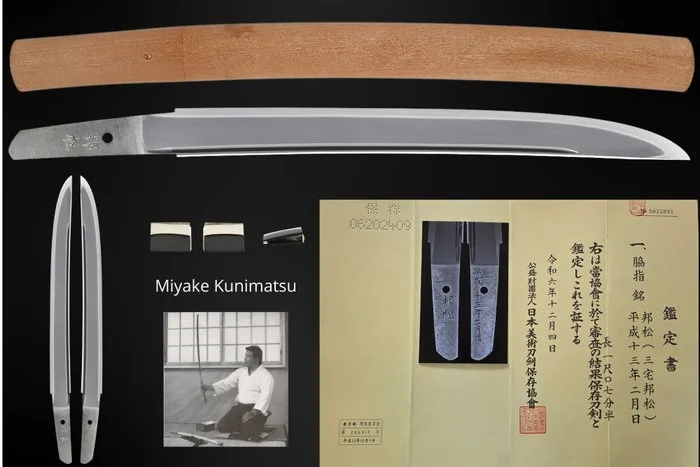
Katana - Japan
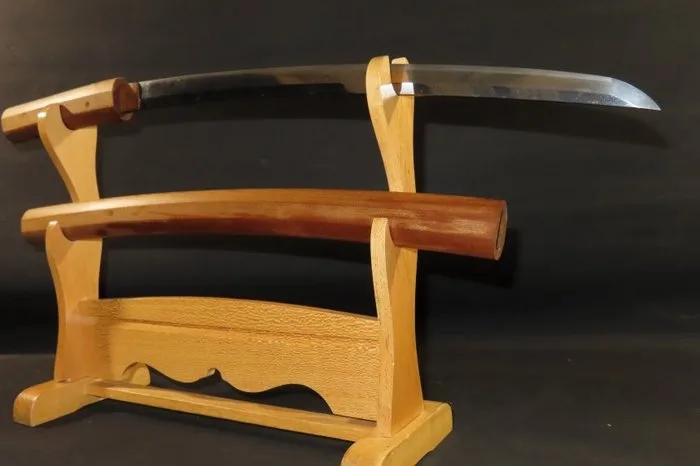
Katana - A7-169 Wakizashi w/White Sheath - Japan - Edo Period (1600-1868)
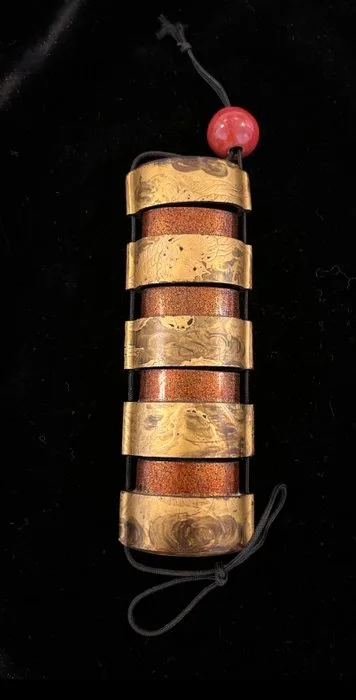
Inro signed Kajikawa Saku, 19th century - Wood - Japan - Edo Period (1600-1868)
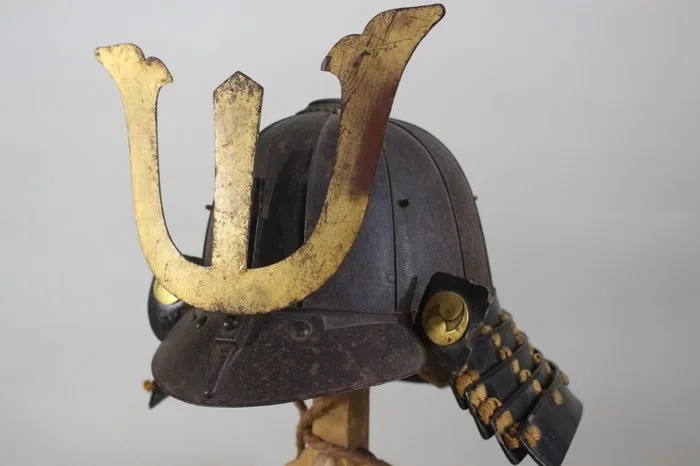
Kabuto - Japan - E3-150 Tetsusabiji 12 Ken Suji Kabuto w/Gold Family Mon, Maetate Edo Period (1600-1868)
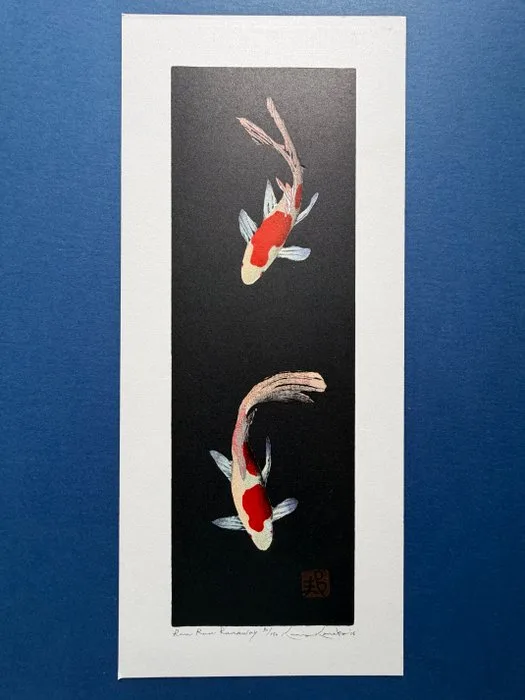
Run Run Runaway - 2016 - Kunio Kaneko (b 1949) - Japan
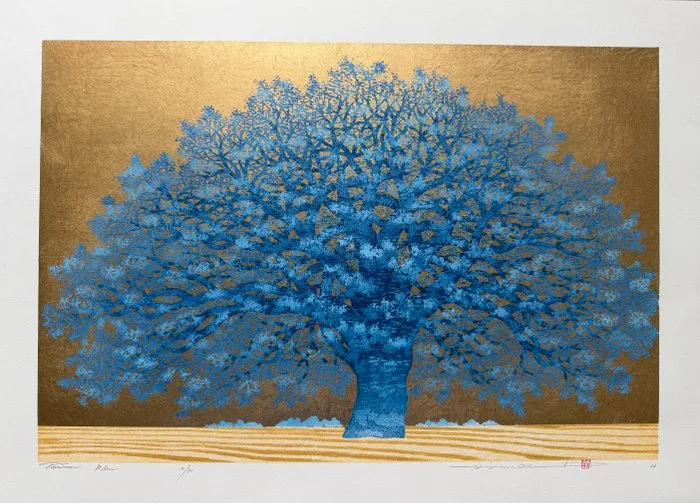
Hajime Namiki (b 1947) - Excellent condition - 350 mm
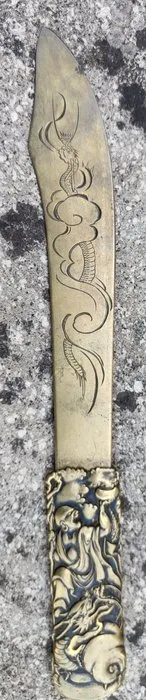
Cut the cards; open the Japanese envelopes. - Japan - Meiji period (1868-1912)
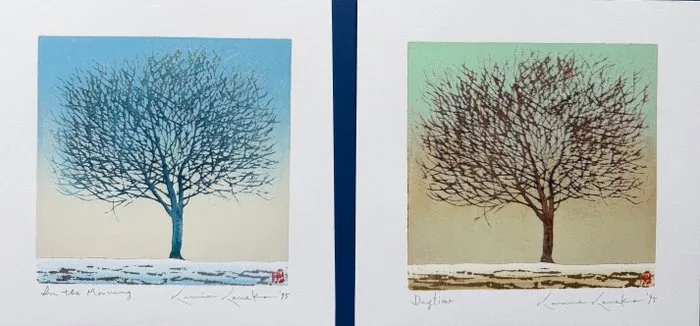
2 prints - "Daytime" & "In the Morning" - Kunio Kaneko (b 1949) - Japan
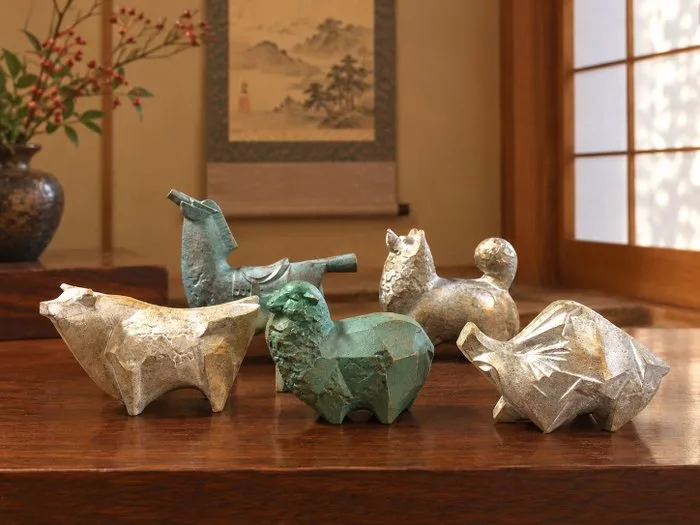
Batch of 5 Japanese Modernist Cast Metal Animal Sculptures by Sotaro Saegusa - Mid-Century Zodiac Art - Statue Metal - Japan
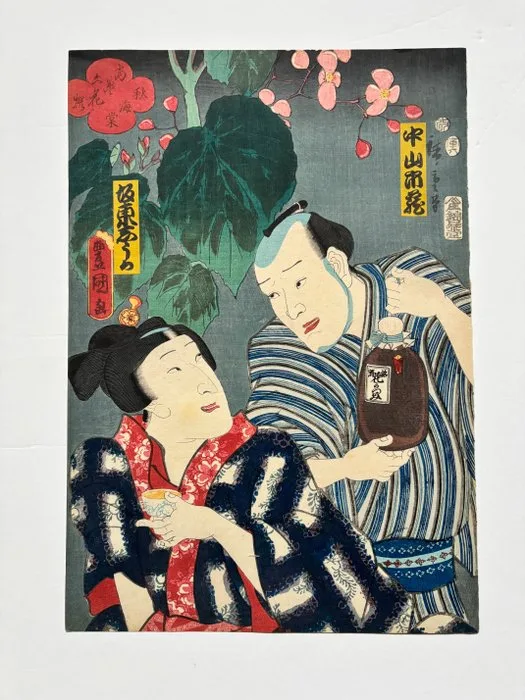
Six flowers in full bloom (Begonias) - Paper - Kunisada/Hiroshige - Japan - Edo Period (1600-1868)
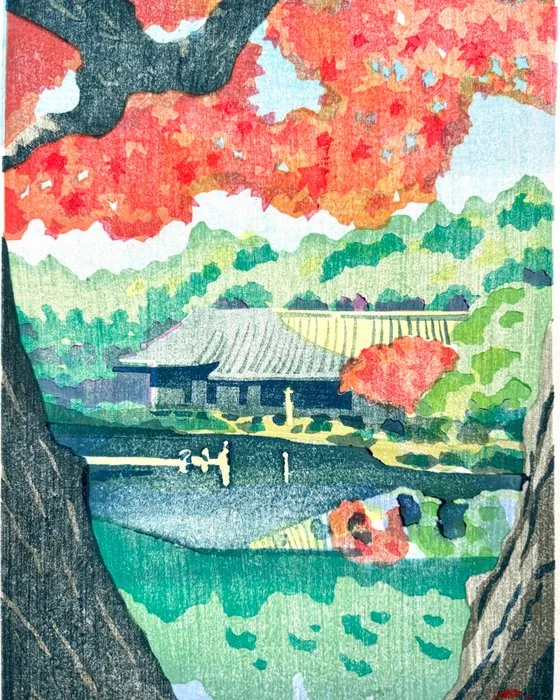
"Akibare 秋晴れ" (Clear autumn day) - Limited 30/200 - Junichi Mibugawa 壬生川純一 (b 1973) - Japan
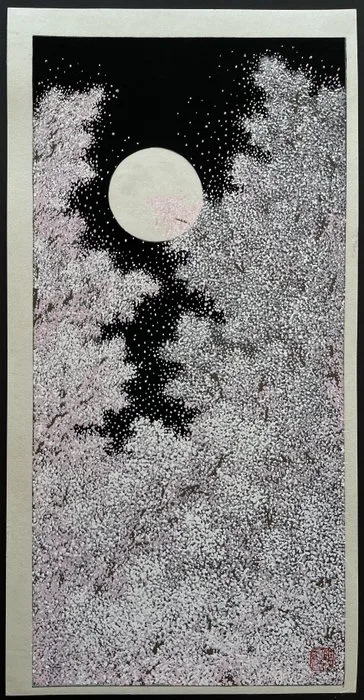
Cherry Blossom and Full Moon - Teruhide Kato (1936-2015) - Japan
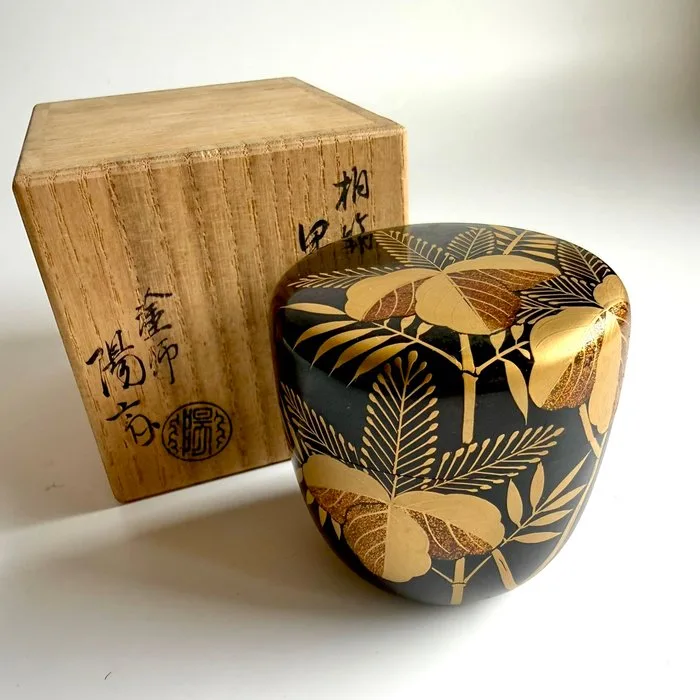
Okamoto Yosai (岡本陽斎) - Natsume - Lacquer (Urushi), Wood - “Aitake” Gold Maki-e
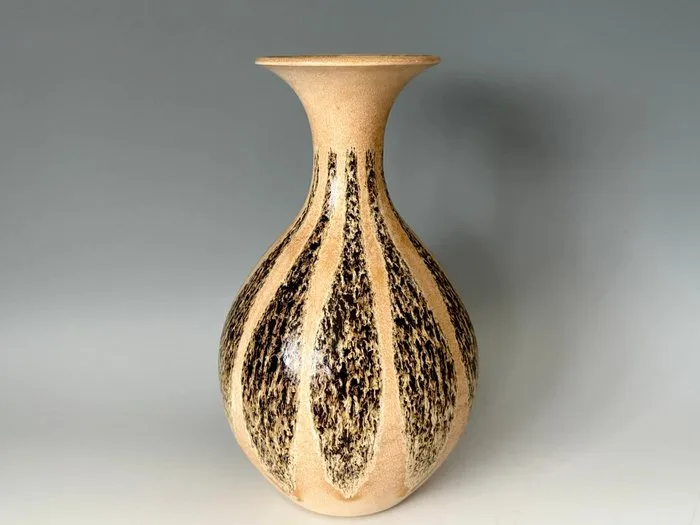
Vase - Stoneware - Japan - Glazed chrysanthemum vase - Kanzan Shinkai (新開寛山) (1912-2011)
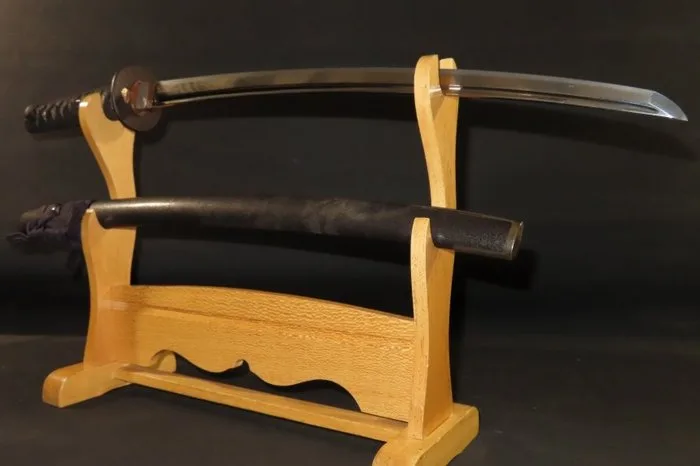
Katana - Tamahagane Steel - A7-153 Wakizashi w/Koshirae - Japan - Edo Period (1600-1868)
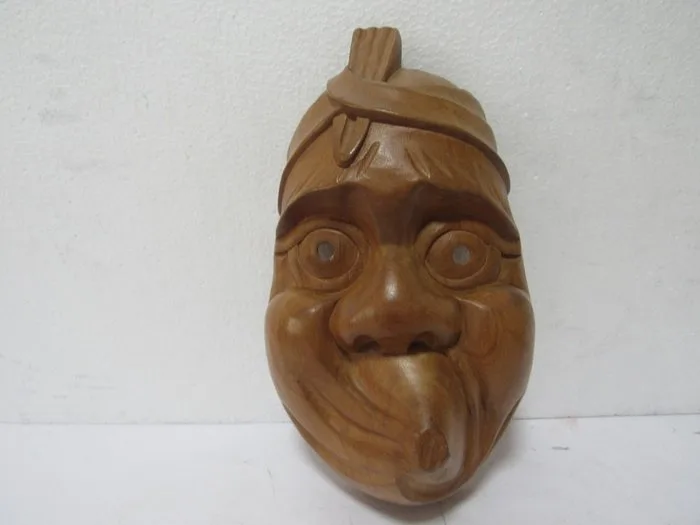
Traditional Japanese "Hyottoko" Wood-Carved Mask - Wood - Japan - Shōwa period (1926-1989)
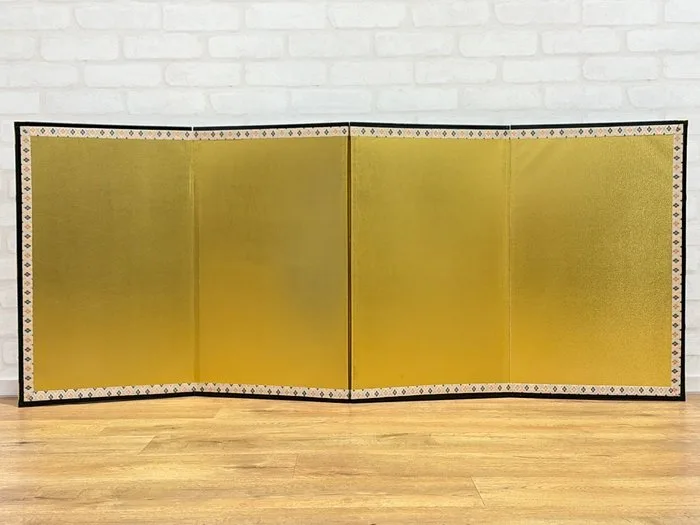
Folding screen - Wood, Silk, Textile, Paper - Japan - Byōbu Gold folding screen
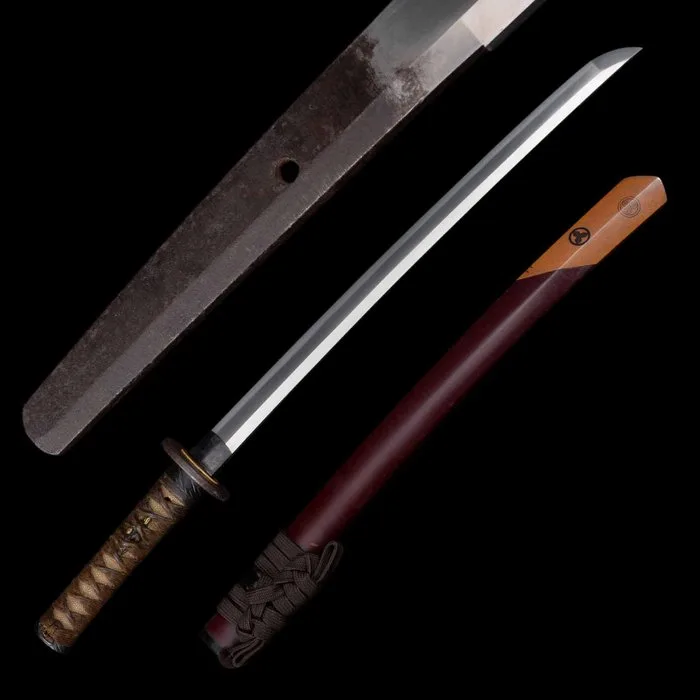
Sword - Tamahagane - Japan - Mid Edo period
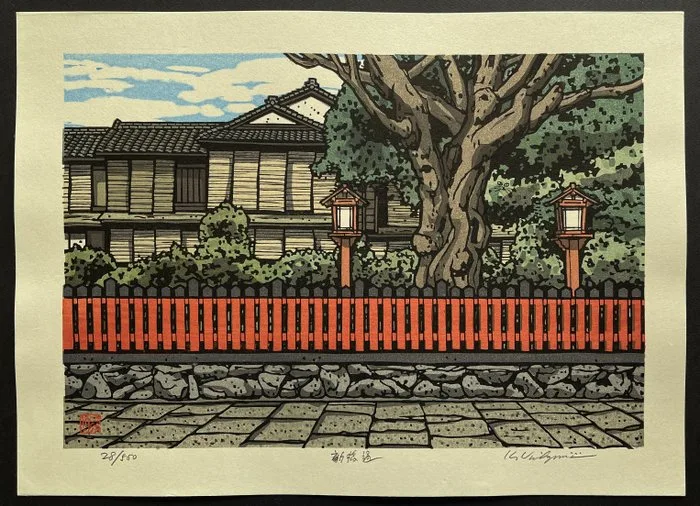
"Shinbashidori" 新橋通 (Shinbashi Street) - Nishijima Katsuyuki (b 1945) - Japan
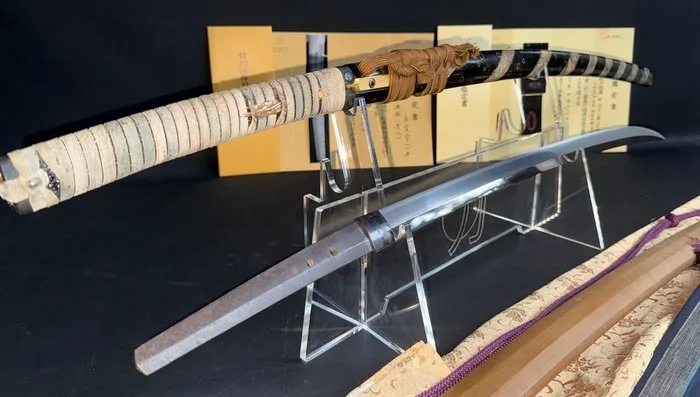
Katana - Naoshi Aoe School - Japan - Kamakura period 1329
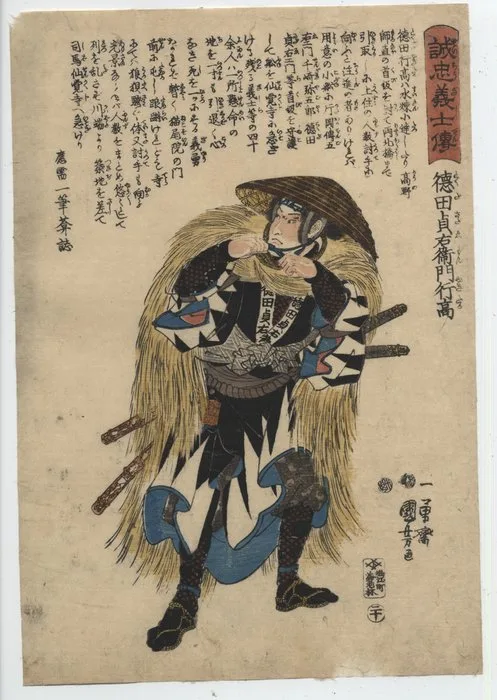
No. 20, Tokuda Sadaemon Yukitaka, series: Stories of the True Loyalty of the Faithful (47 Ronin) - Paper - Utagawa Kuniyoshi (1797-1861) - Japan - Edo Period (1600-1868)
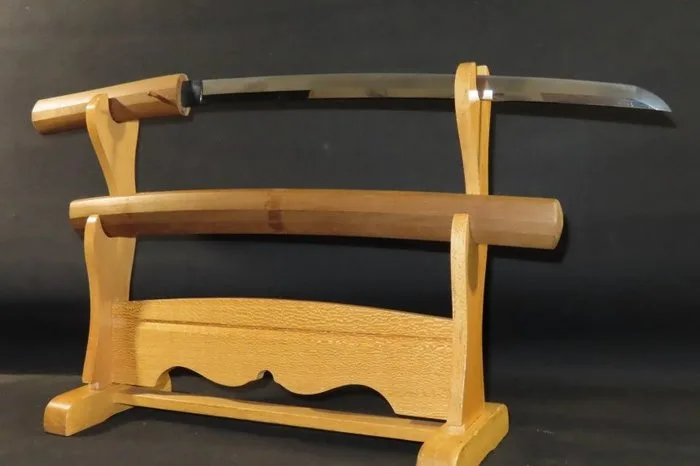
Katana - A7-147 Wakizashi w/White Sheath - Japan - Edo Period (1600-1868)
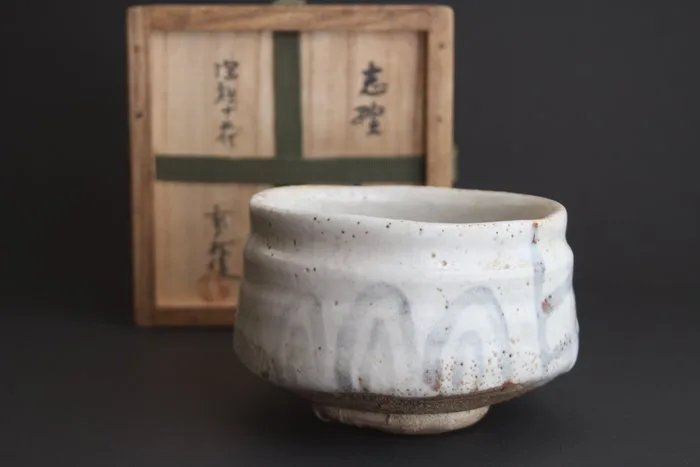
Shino Tea Bowl - Kato Keishu - 12th-Gen Cultural Property Holder - Tomobako - Japan - Shōwa period (1926-1989)
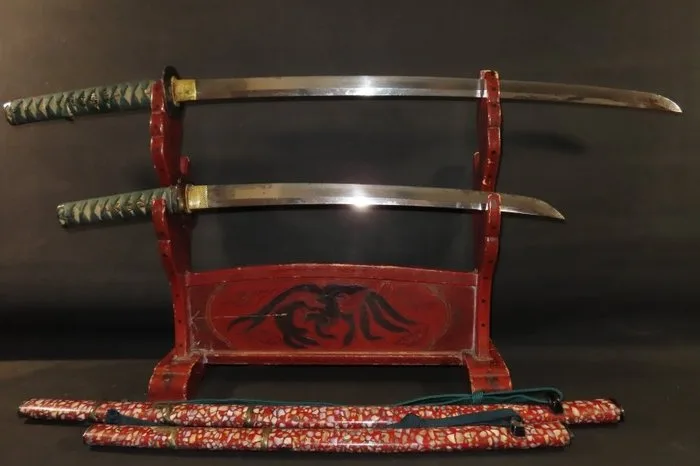
Sword - Tamahagane - A7-130 Daisho Katana & Wakizashi w/Daisho Koshirae : Kanesada - Japan - Edo Period (1600-1868)
What this section contains
Japanese Art covers a wide range: ukiyo-e and modern woodblock prints (Hiroshige, Kunisada, Kunio Kaneko, Hajime Namiki), katana, wakizashi and naginata blades, kabuto helmets and armour, netsuke and inro, bronze okimono and censers, studio pottery such as yunomi, chawan and sake cups, byobu folding screens, and kimono. Most pieces here are between €400 and €4,000; swords and armour sit at the upper end.
Japanese periods
- Edo period (1600-1868)
- Meiji period (1868-1912)
- Taishō (1912-1926) and Shōwa period (1926-1989)
- Heisei period (1989-2019)
The Period field on each listing uses these names, and many pieces here are Shōwa or later.
Swords and armour
Blades are often described by steel (tamahagane is traditional Japanese steel), mount type (a shirasaya is a plain white wooden storage scabbard) and papers. Japanese sword papers from the NBTHK, such as Hozon or Tokubetsu Hozon, are an assessment by that society; if a listing mentions them, ask to see the document. Check your country's rules on importing bladed items before you order.
Prints and ceramics
For woodblock prints, check whether the print is an original edition or a later impression, look for the signature and seal, and note margins and fading. For ceramics, look for the artist's mark and a signed wooden box (tomobako), which adds to value, and check photos for chips and repairs. Condition is described from Excellent to Fair.
Frequently asked questions
What is a tomobako?
A tomobako is the fitted wooden box made to store a Japanese ceramic, bronze or other art object. The lid is often inscribed and signed by the maker, naming the piece. A signed tomobako helps identify the work and usually adds to its value, so listings mention it when one is included.
What are NBTHK papers for a Japanese sword?
The NBTHK (Society for the Preservation of Japanese Art Swords) issues assessment papers for blades, graded Hozon, Tokubetsu Hozon and higher. They record the society's view of the smith, school and period. Papers are a strong help when buying a sword; if a listing mentions them, ask to see a clear photo of the document before ordering.
Can I import a Japanese sword to my country?
Rules on bladed items differ from country to country, and some require a licence or ban certain blades outright. Before ordering a katana, wakizashi or other blade, check the import and ownership rules where you live. Shipping within the EU is usually simpler than shipping beyond it, but local laws still apply.
What do the Japanese period names mean?
Japanese art is dated by eras. The main ones seen here are Edo (1600-1868), Meiji (1868-1912), Taishō (1912-1926), Shōwa (1926-1989) and Heisei (1989-2019). A listing marked Shōwa period, for example, was made in the 20th century. The Period field on each product page shows the era.