Chinese Art
Chinese porcelain vases, bowls and plates, bronzes, jade and hardstone carvings, snuff bottles, seals and embroidered textiles, along with Buddhist figures from China and the Himalayas.
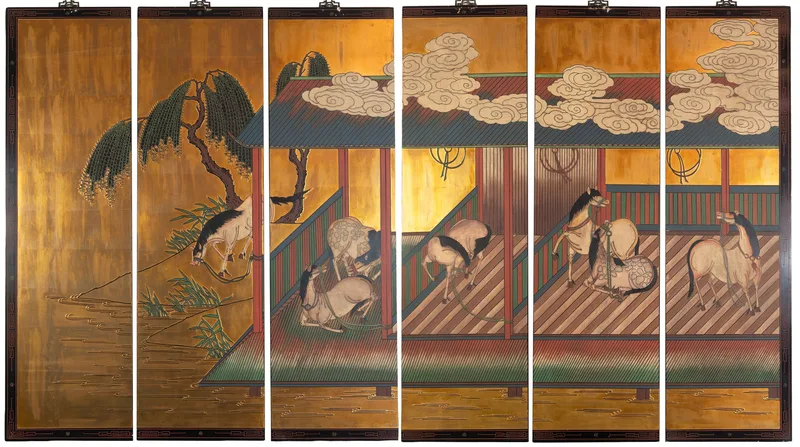
A Large Set of Six Chinese Black Lacquer and Polychrome Decorated Wall Panels Depicting a Lakeside Horse Pavilion, 20th Century
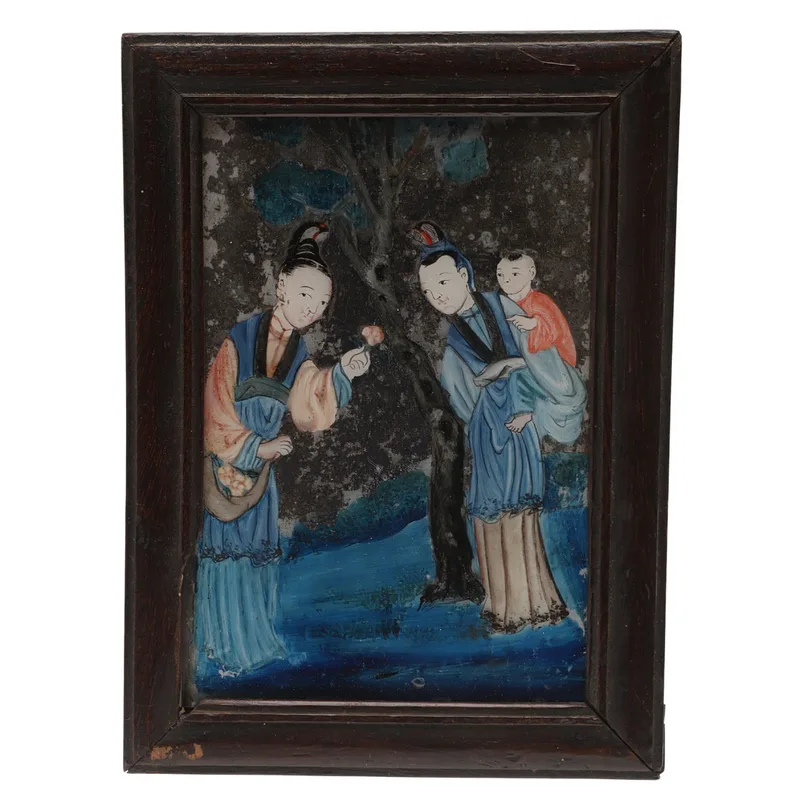
An 18TH/19TH Century Chinese Reverse Painting on Glass
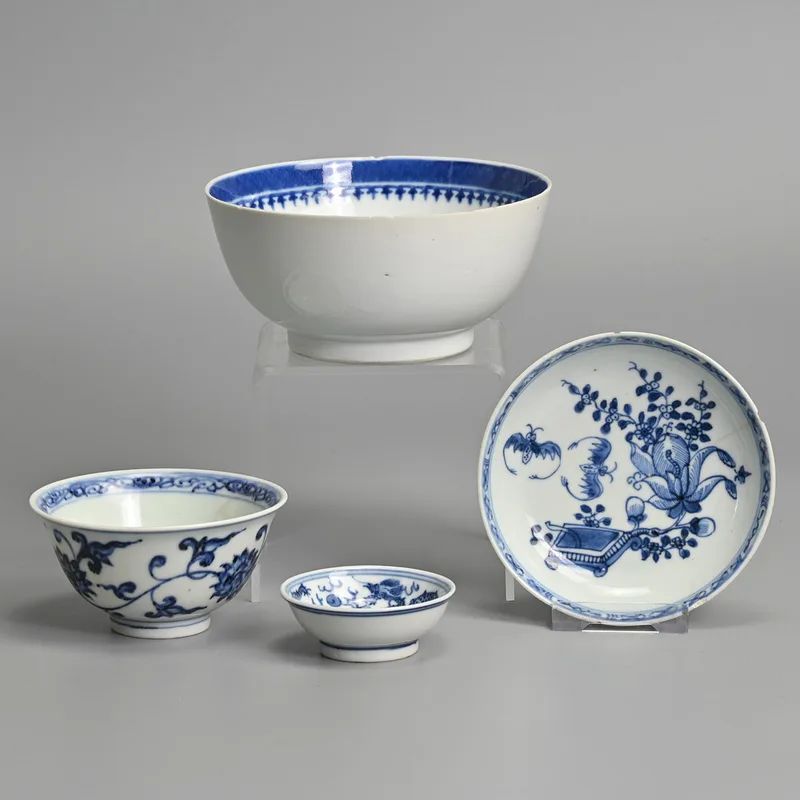
A Group of Chinese Blue and White Porcelain Bowls and Dishes, 18th Century and Later
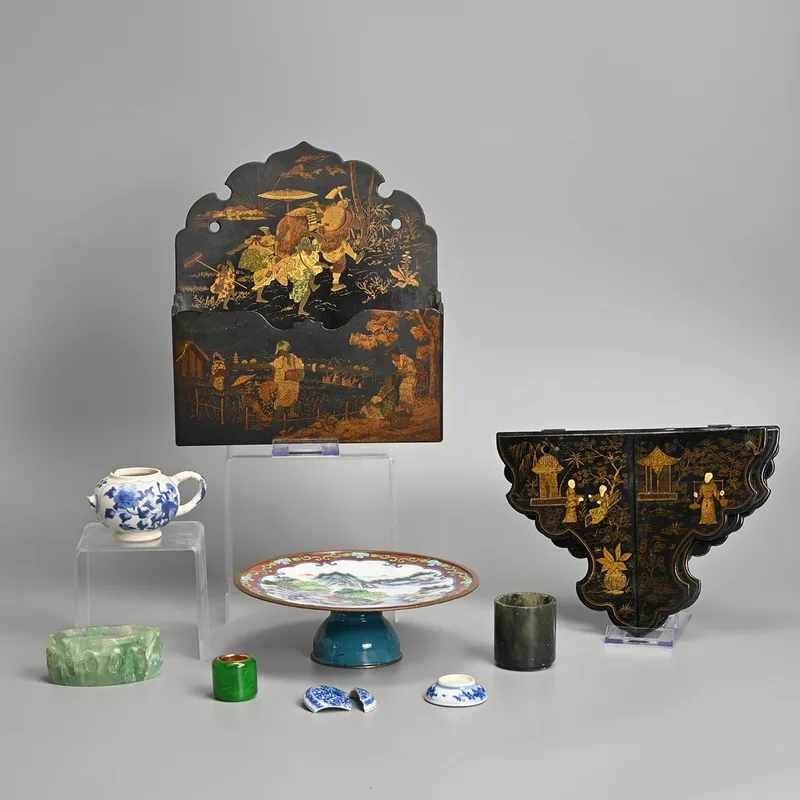
A Mixed Group of Chinese / Chinoiserie Cloisonne, Porcelain, Lacqer, Papier-Mache and Other Items
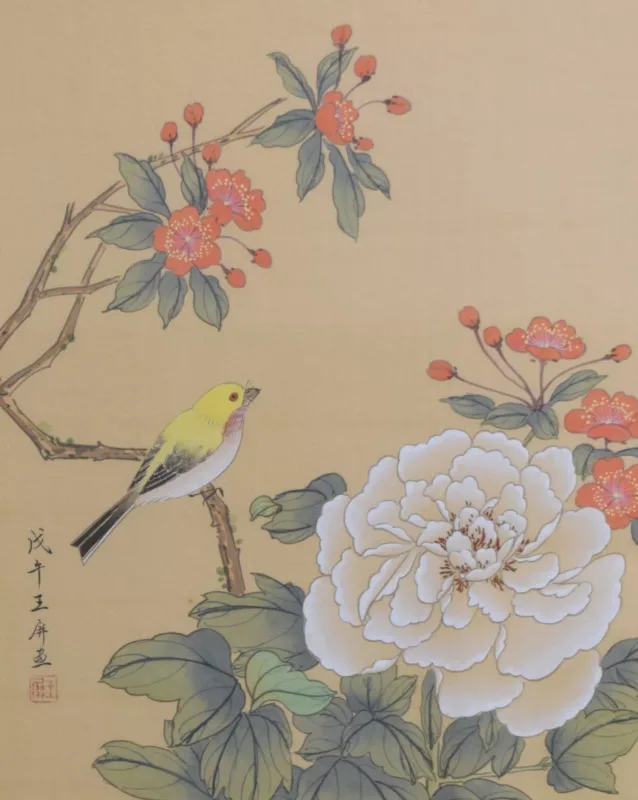
A pair of 20th Century Chinese gouache on fabric compositions, depicting small vibrant birds on blossoming branches, artist's seal to lower left
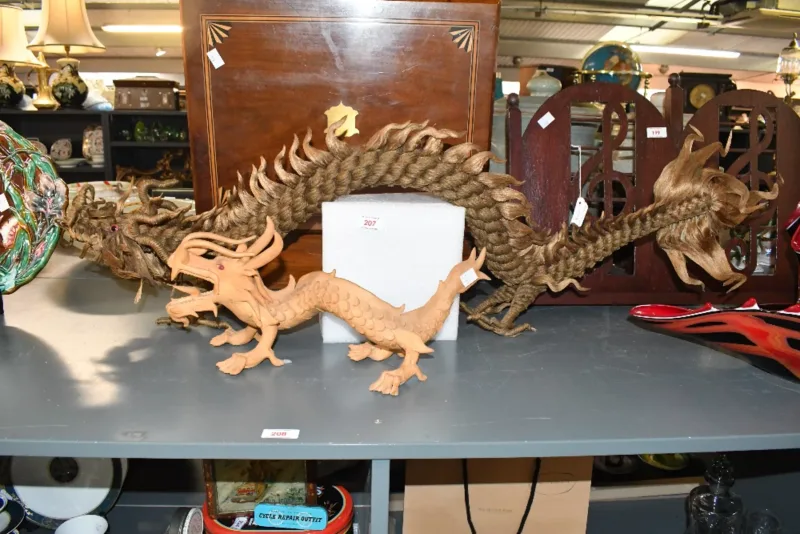
A vintage Chinese folk art-style rope dragon, handcrafted from woven rope having gilt detailing and red glass eyes
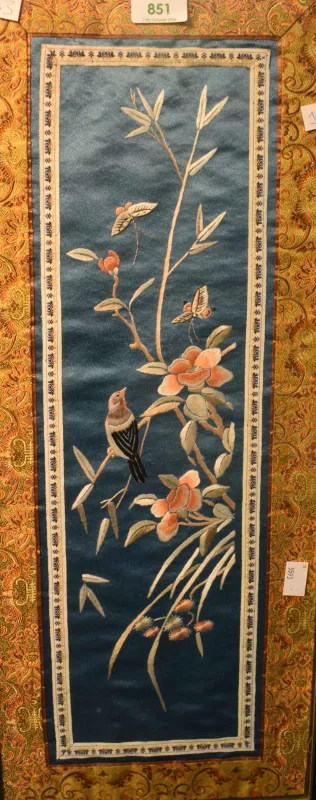
A 20th Century Chinese embroidery on silk, depicting a small bird and butterflies upon a flowering branch, unsigned or attributed, within a moulded frame
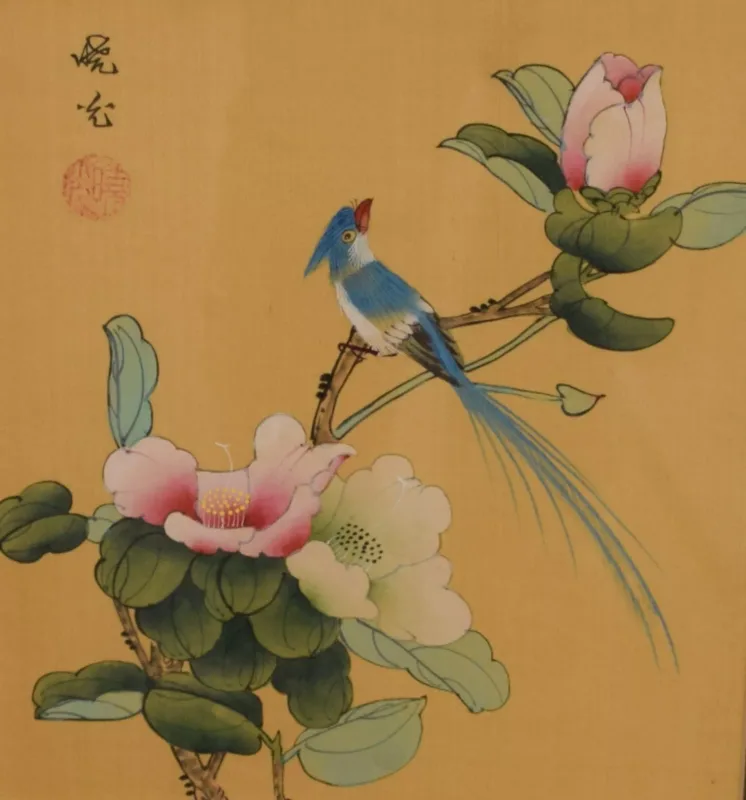
A 20th Century Chinese watercolour on silk, depicting a blossoming tree branch with vibrant bird, artist's seal upper right
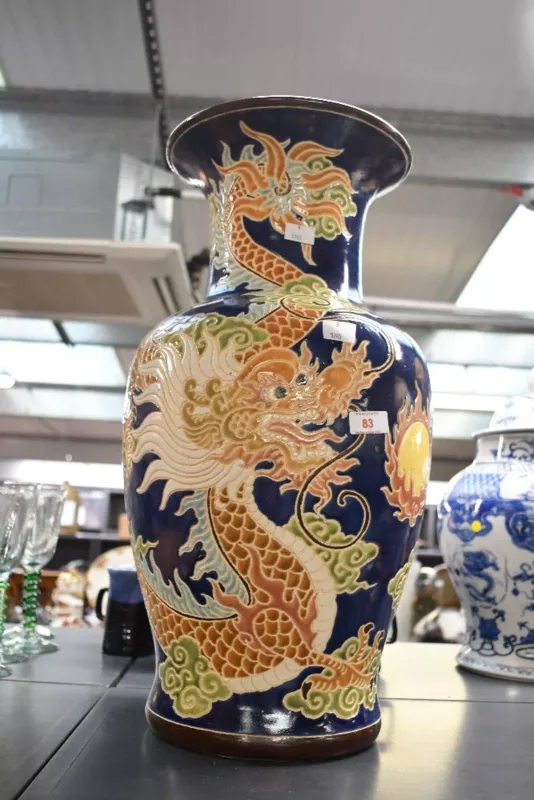
A large vintage Chinese-style ceramic floor vase, featuring a deep cobalt blue ground decorated with incised coiled dragons chasing pearl motifs
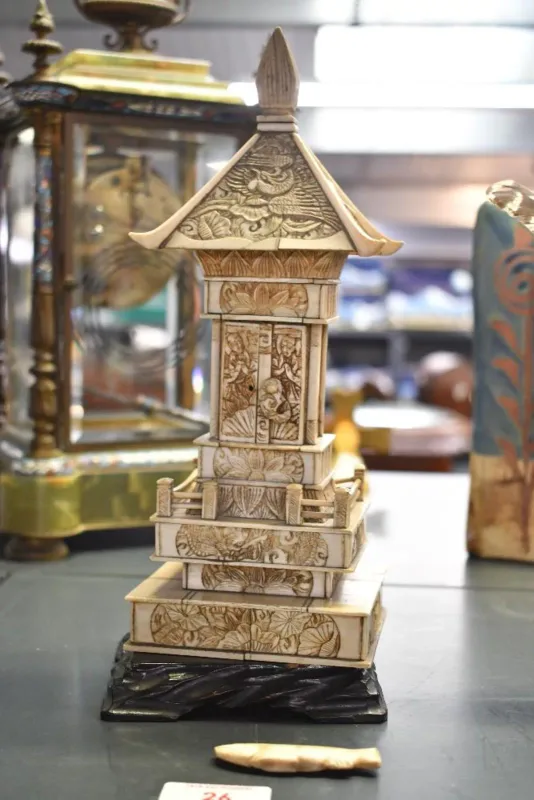
A 19th-century Chinese carved bone tiered pagoda shrine, featuring opening doors that reveal a small Buddha figure inside, having hand carved floral
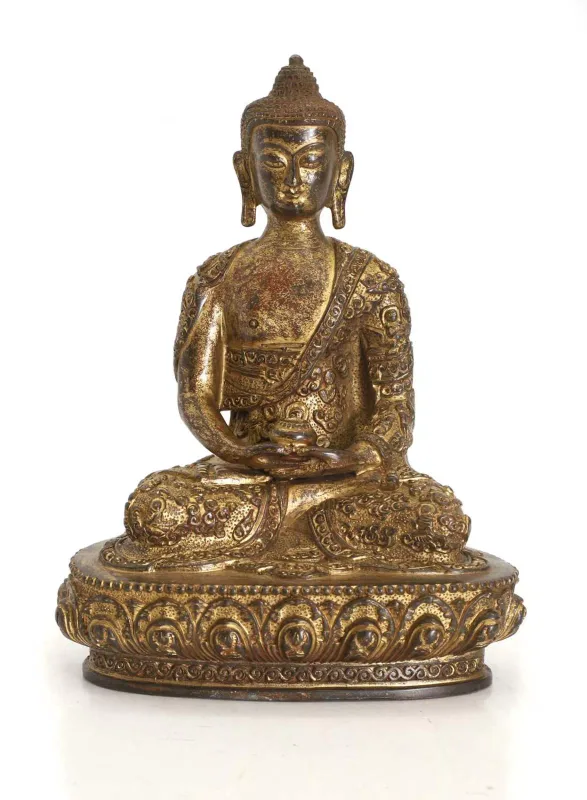
A gilt metal buddha, 20th century, seated cross-legged on a lotus pedestal, his hands together holding a jar
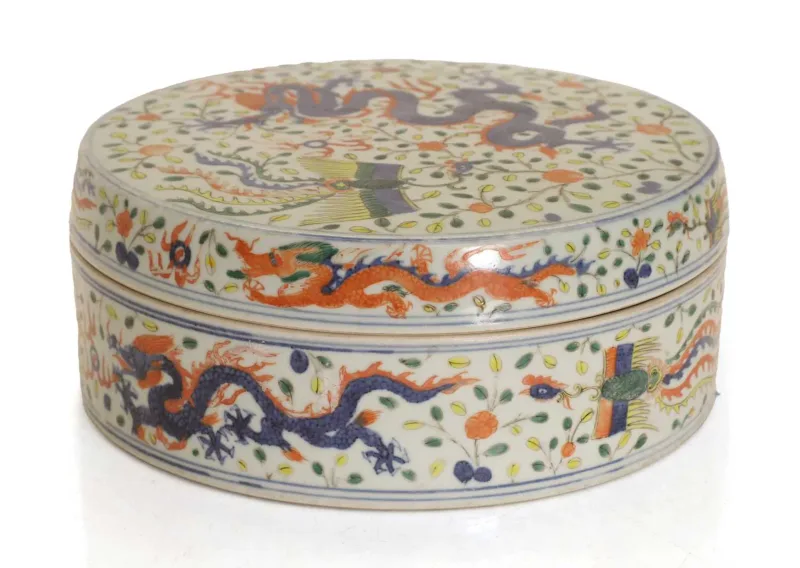
A Chinese Wucai porcelain dish and cover, 20th century
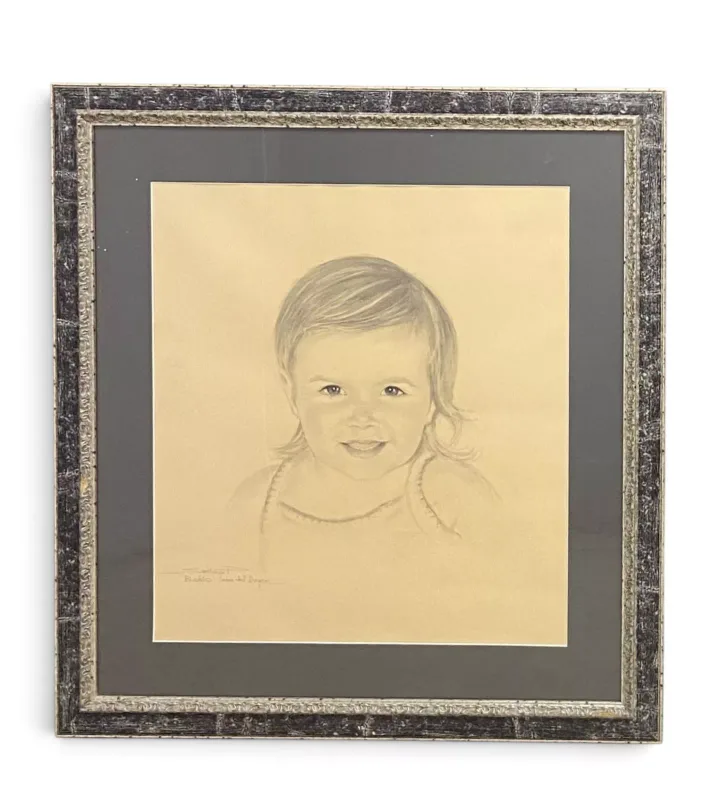
A contemporary pencil portrait of a child.
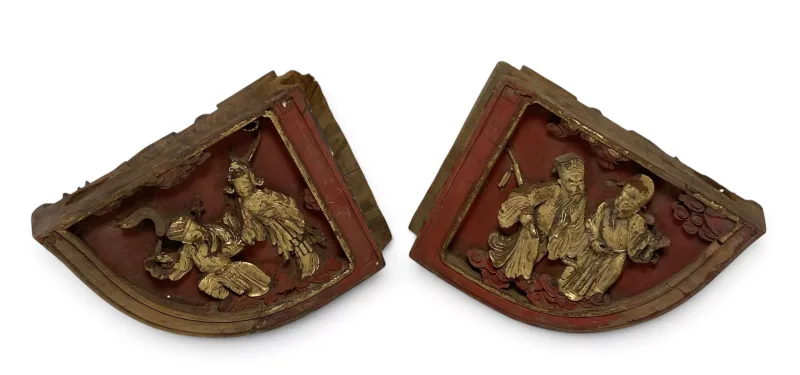
A pair of late 19th/early 20th century (late Qing/early Republic) Chinese red lacquered and gilt architectural temple corbels or brackets carved with auspicious
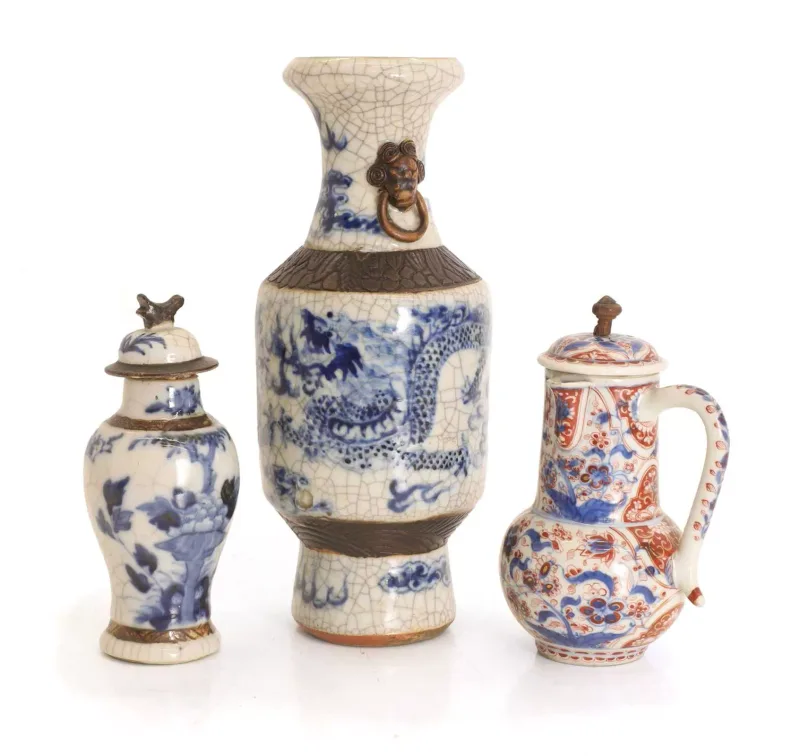
A collection of Chinese Export porcelain items, 18th century, comprising a Chinese Imari coffee pot, and two blue and white vases The vase,
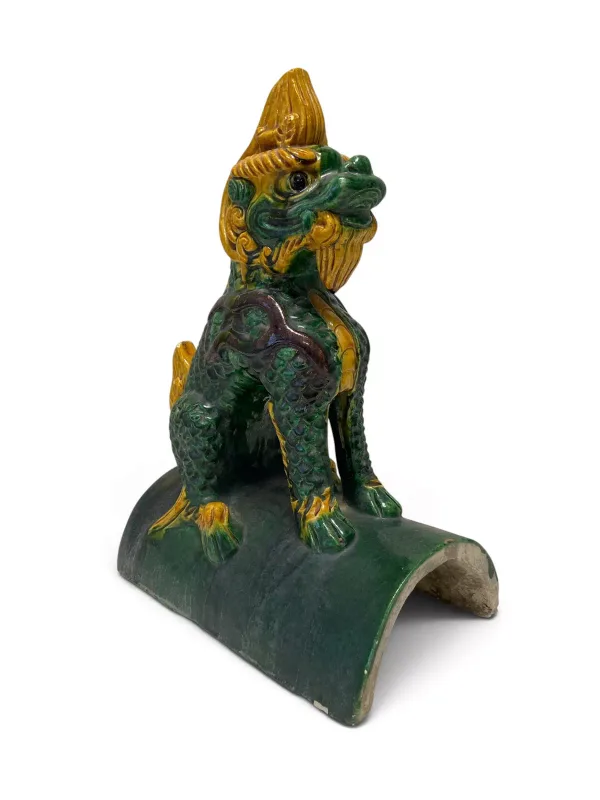
A late 19th/early 20th century (late Qing/early Republic) Chinese Ming style architectural ceramic qilin or foo dog guardian figure roof tile with yellow and gr
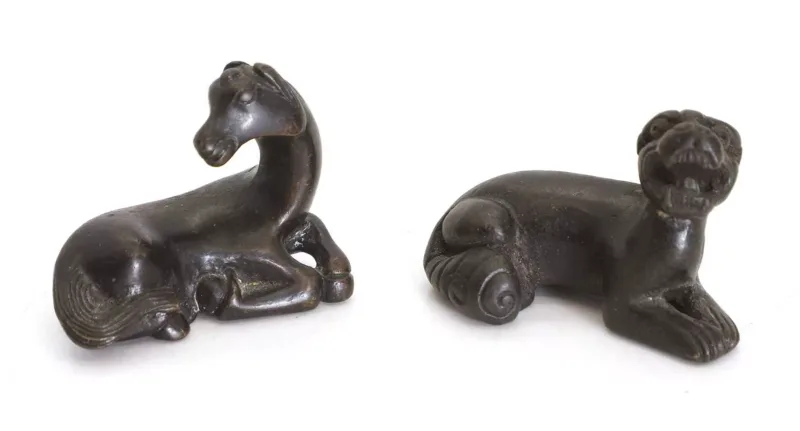
Two Chinese bronze scroll weights, 20th century, modelled as a recumbant qilin and horse, each with their fur and features carved in detail horse
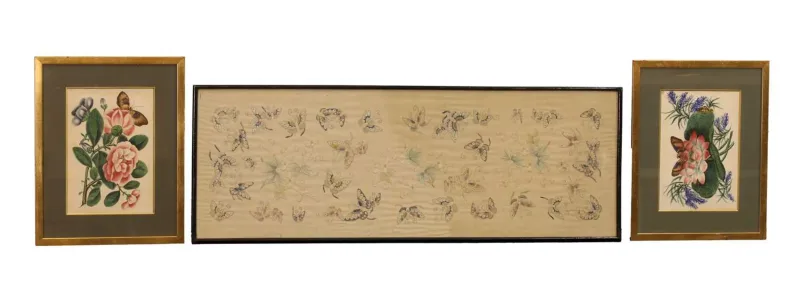
A collection of Chinese works of art, 19th century, comprising a cream silk embroidery depicting butterflies amongst prunus blossom
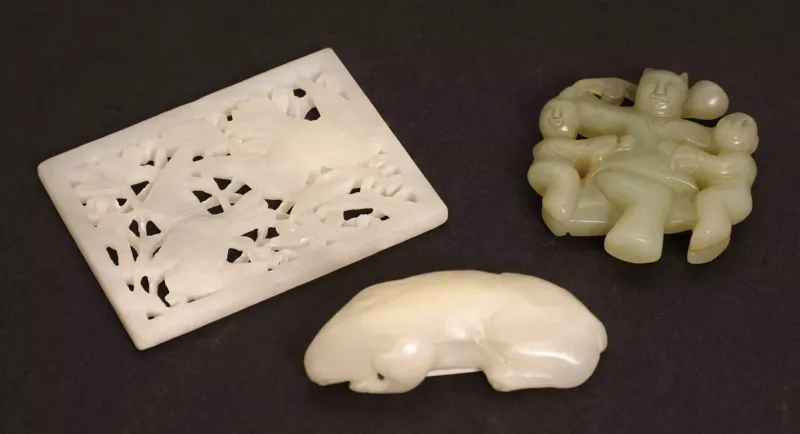
A collection of Chinese jade carvings, 20th century, to include a pieced plaque with two birds within foliate decoration, a recumbant rat
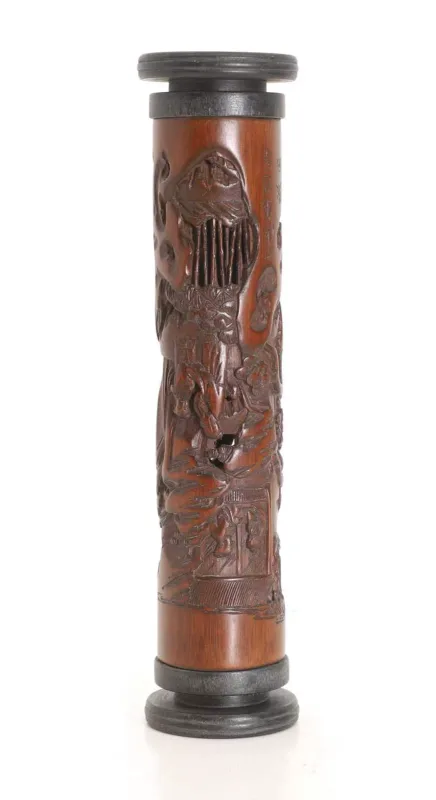
A Chinese carved bamboo incense tube, 20th century, carved with elders within a rocky landscape
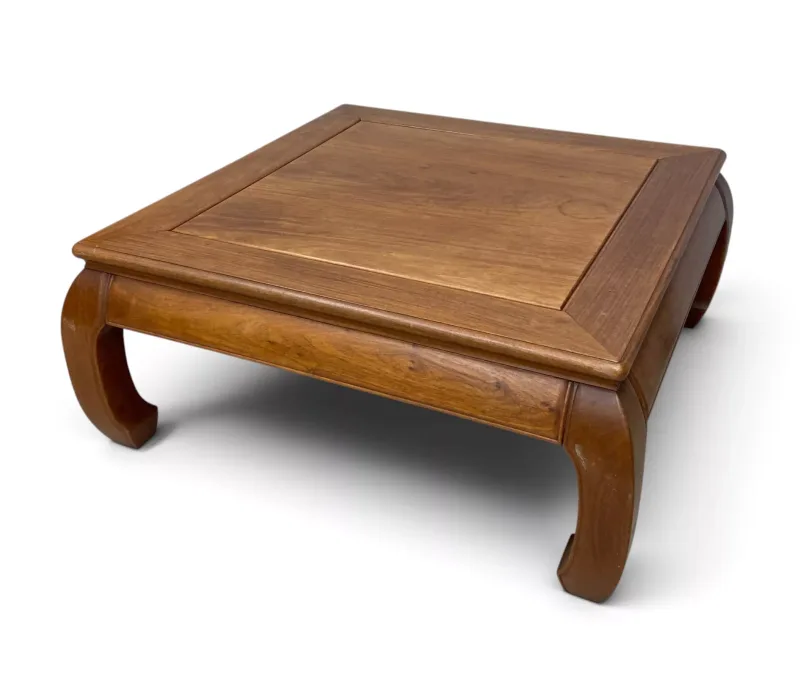
A vintage Chinese Kang style hardwood coffee table with a square panel top raised on shaped horse-hoof style supports
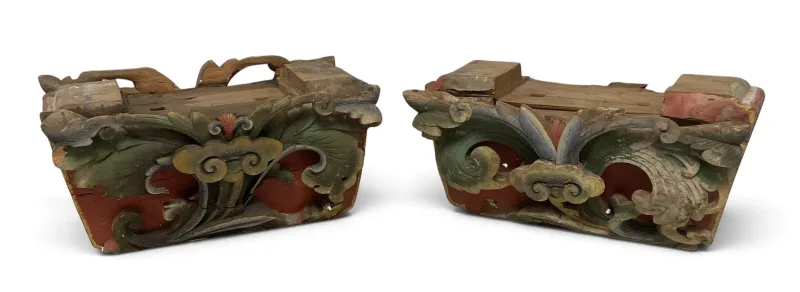
A near pair of late 19th/early 20th century (late Qing/early Republic) Chinese carved and polychrome-painted high-relief architectural temple lintels or bracket
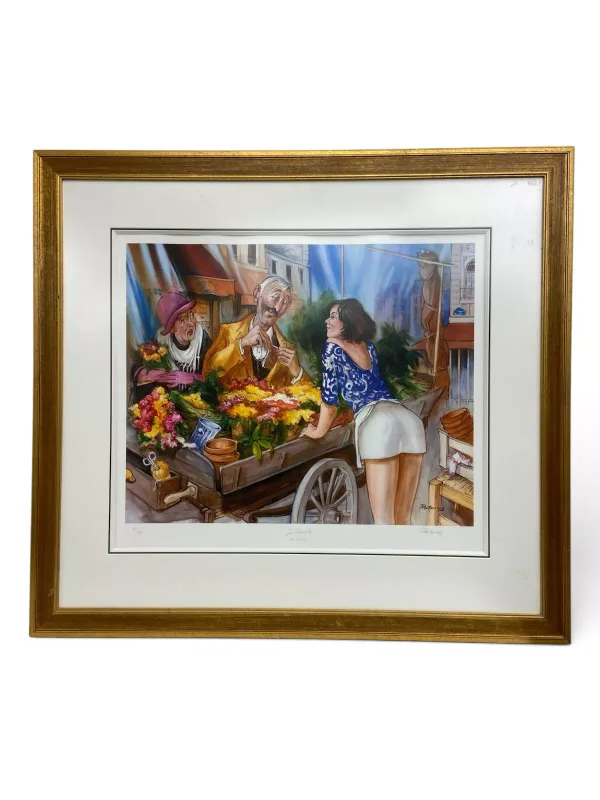
Mattin-Laurent Partarrieu (b.1946), a contemporary limited edition giclee print titled 'Le Fleuriste'
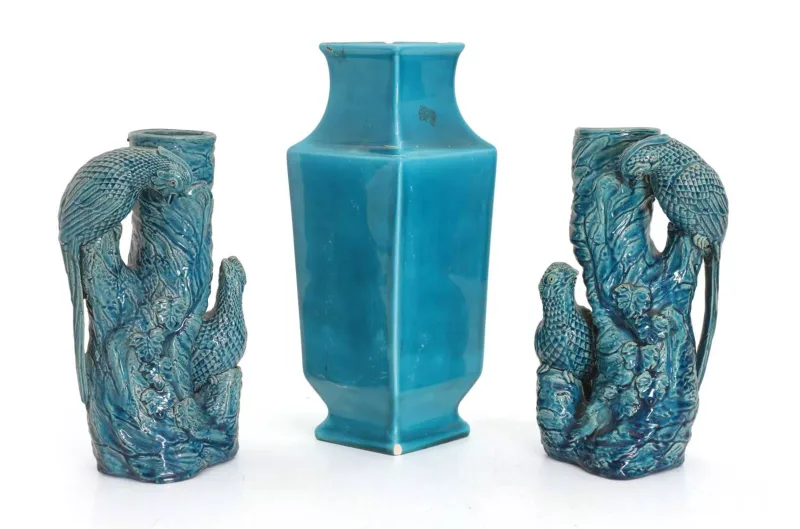
A collection of Japanese turquoise glazed ceramics, 19th/20th century, comprising a pair of vases modelled as tree stems
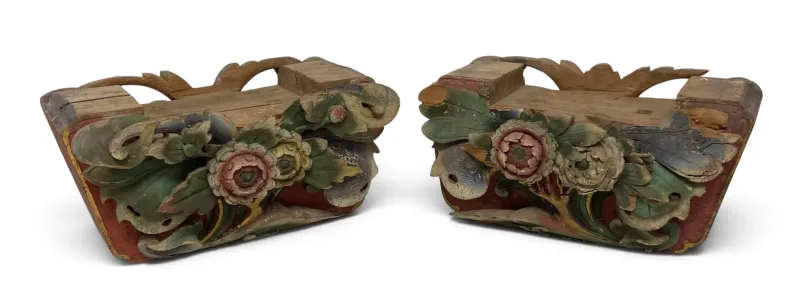
A near pair of late 19th/early 20th century (late Qing/early Republic) Chinese carved and polychrome-painted high-relief architectural temple lintels or bracket
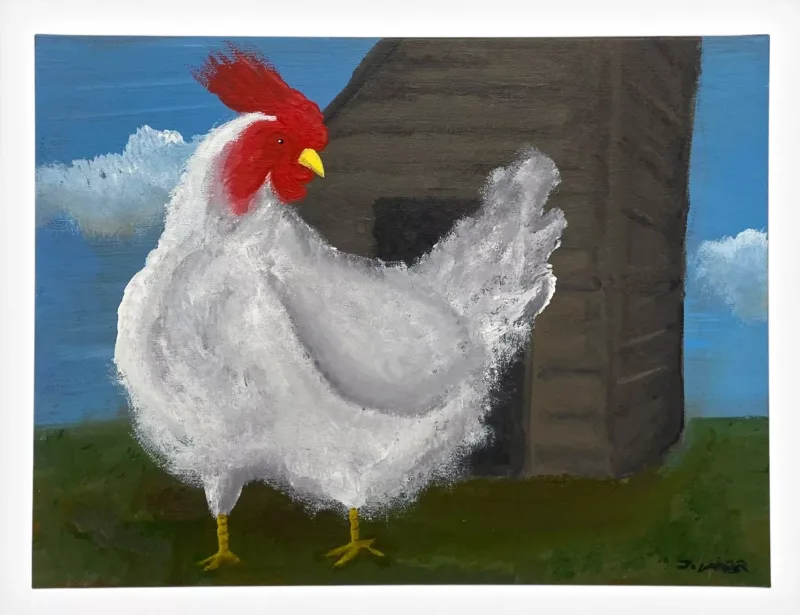
A contemporary oil portrait of a chicken on linen.
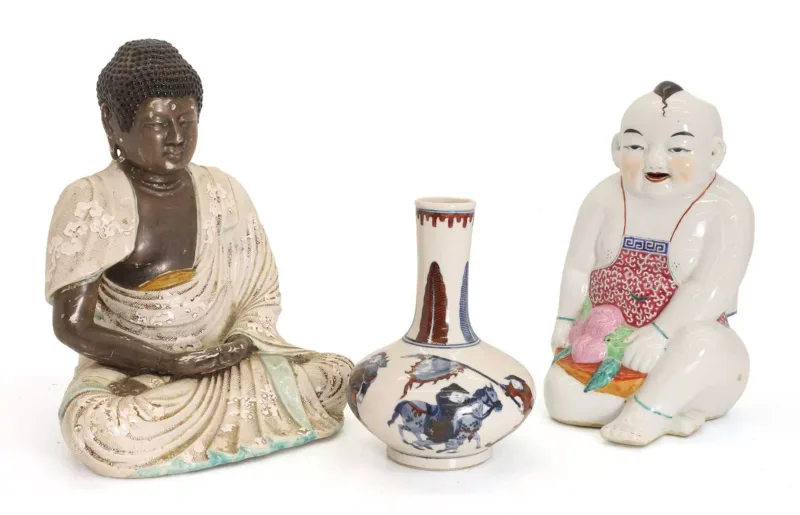
A collection of ceramics, 20th century, Chinese and Japanese, comprising a Chinese underglaze red, blue and white vase, depicting figural scenes
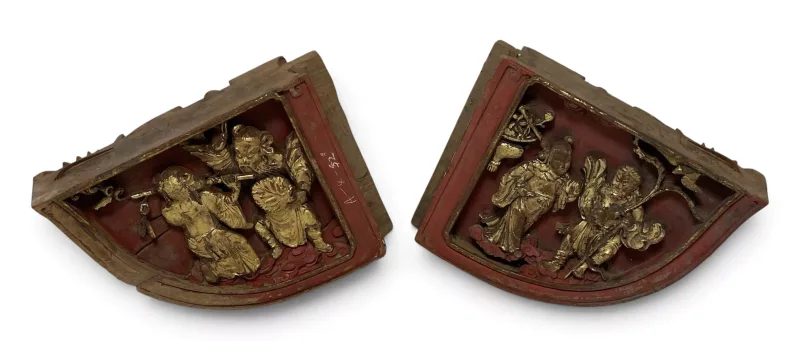
A pair of late 19th/early 20th century (late Qing/early Republic) Chinese red lacquered and gilt architectural temple corbels or brackets carved with auspicious
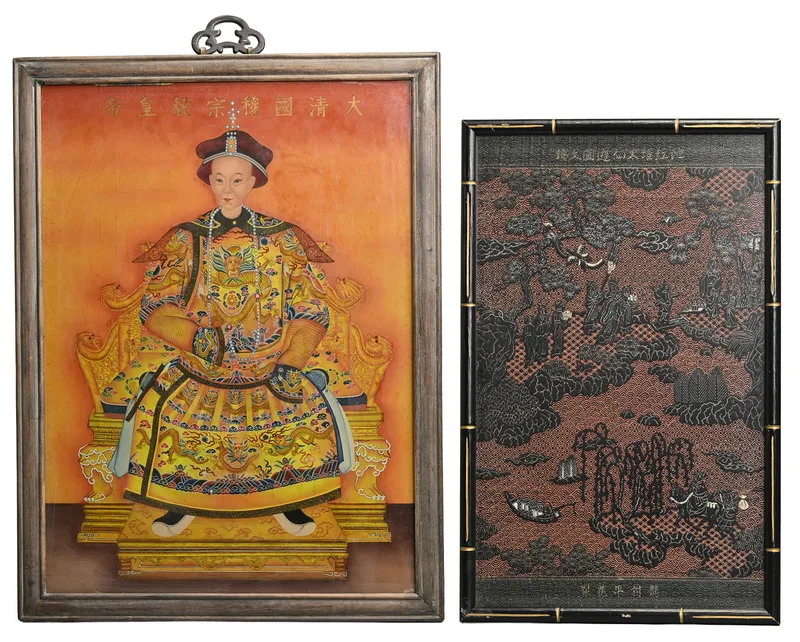
A Vintage Framed Chinese Portrait of the Emperor Qianlong and a Framed Japanese Silk Brocade Panel Attributed to Heizo Tatsumura, with Silver Thread, 20th
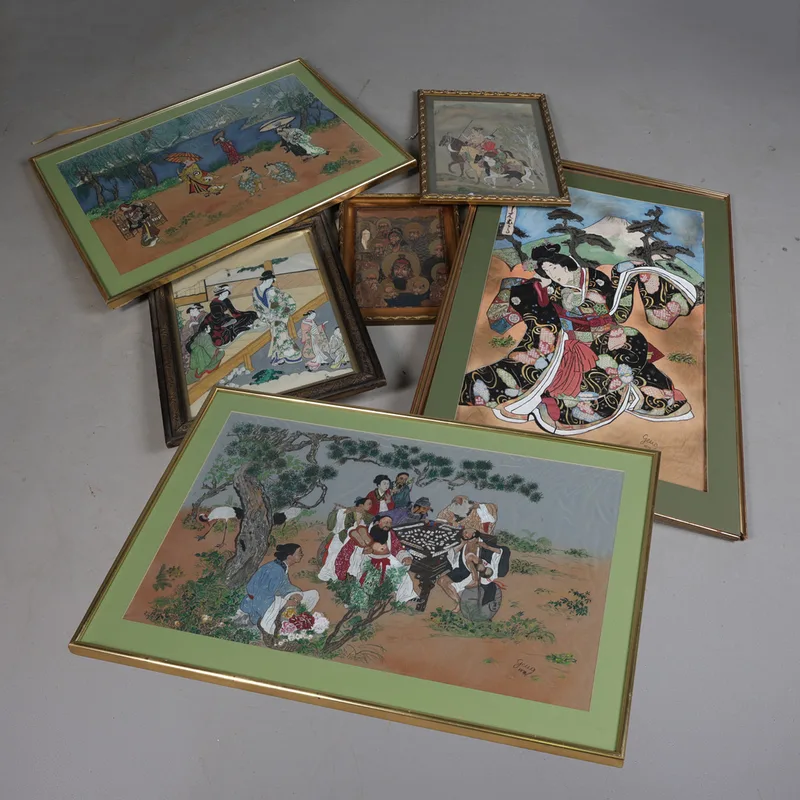
Chinese School 20th Century (6)
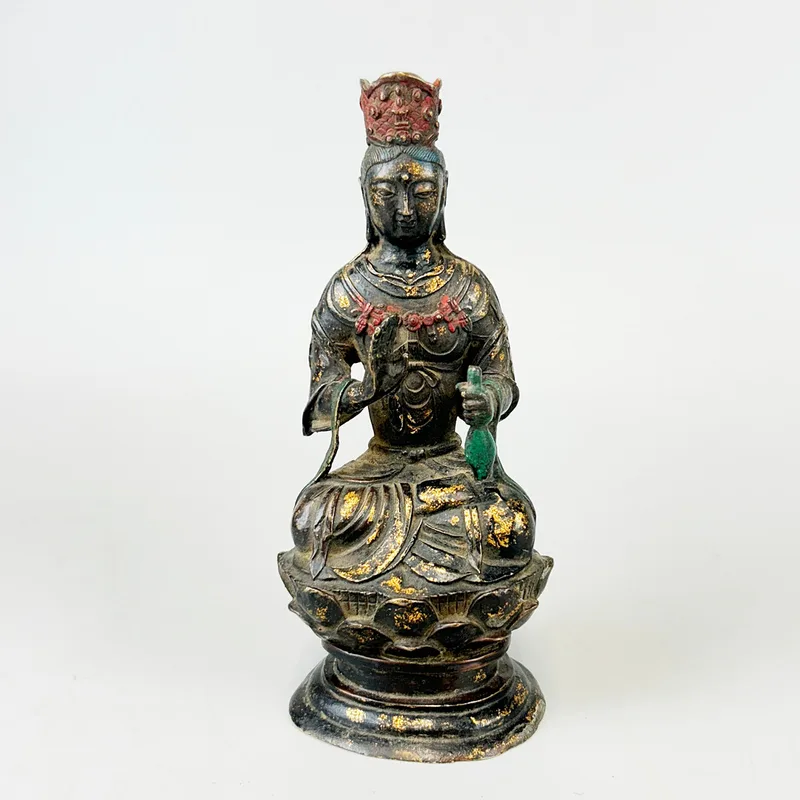
Tibetan Bronze Buddha
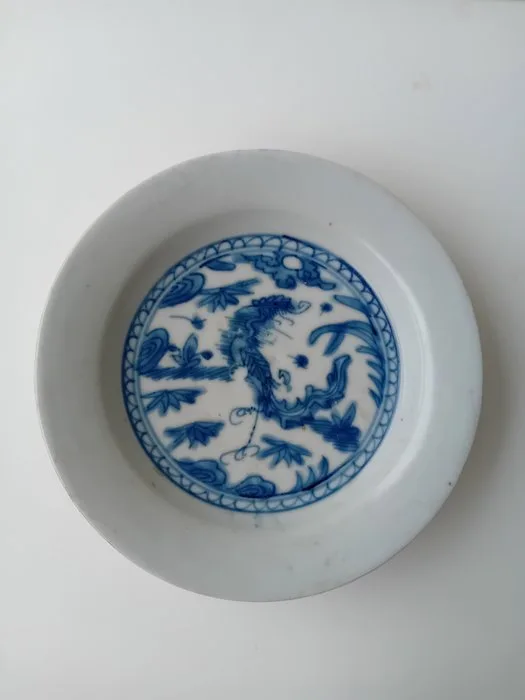
Plate - a Ming Dynasty porcelain plate with a blue and white underglaze decorative motif of a Fenghuang
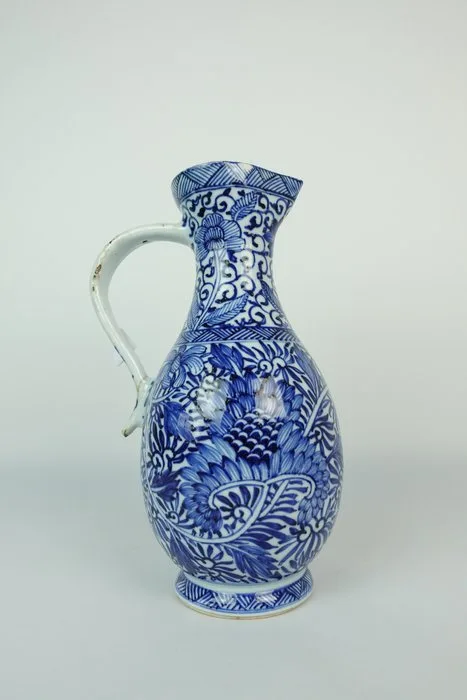
Blue-and-White Large Ewer with Scrolling Floral Decoration - Porcelain - China - Qing Dynasty (1644-1911)
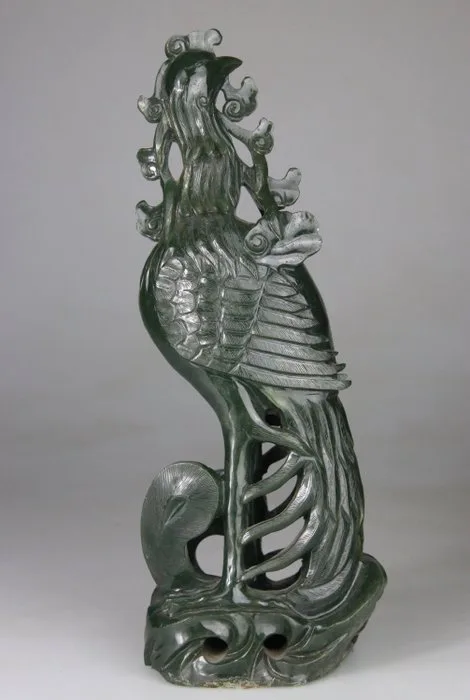
Rare statuette, sculpted phoenix bird sculpture. - Hardstone - China - 20th century
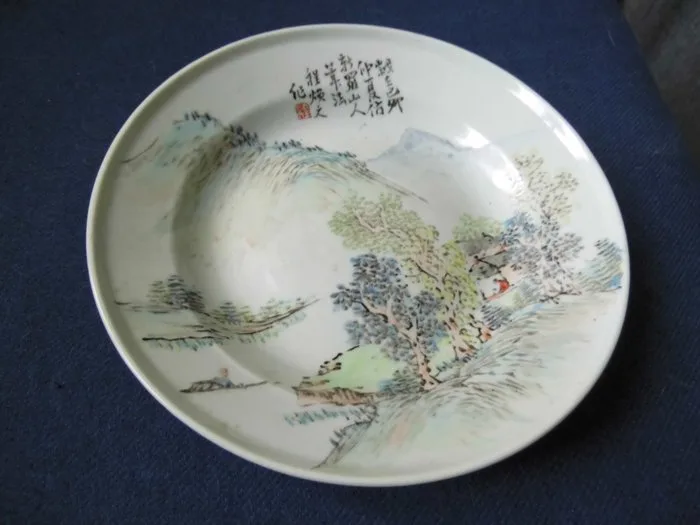
CHENG HUANWEN (程煥文) - Wall plate - Porcelain
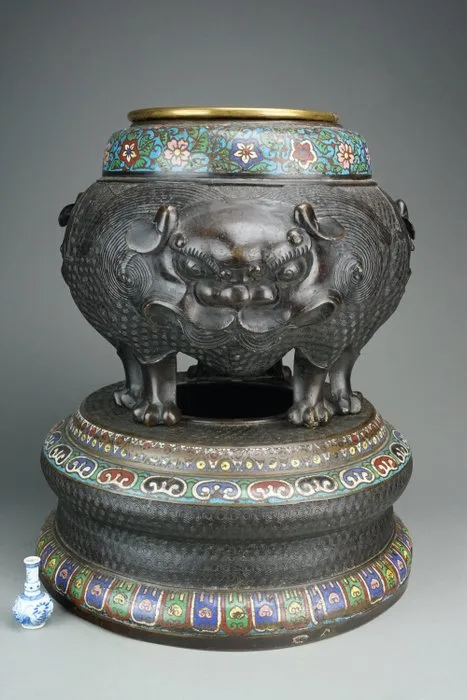
Foo Lion-shaped censer - Bronze, Enamel - Asia - 1900's
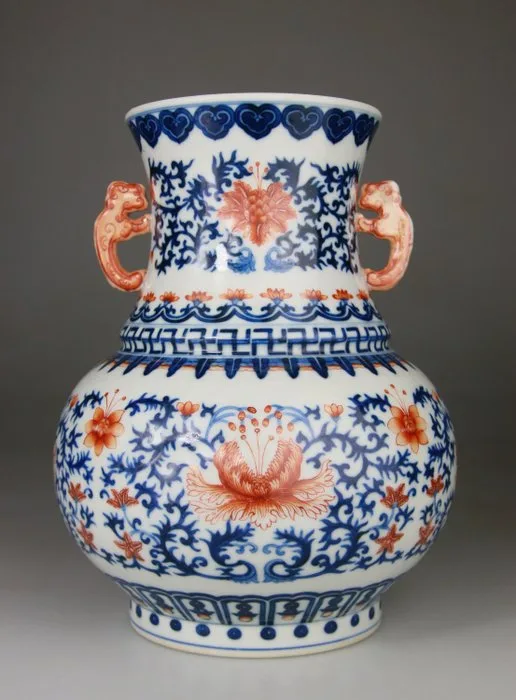
Superb Hu vase in porcelain - blue and white - iron-red - Qianlong mark - Porcelain - China - 20th century
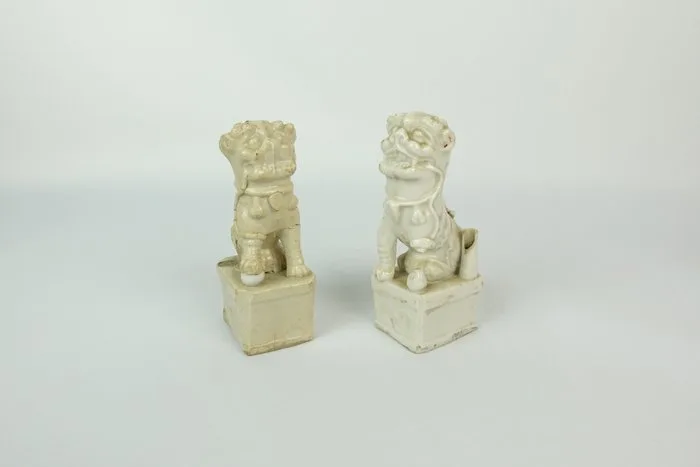
Pair of Dehua Blanc-de-Chine Lion Incense Holders - Porcelain - China - Qing Dynasty (1644-1911)
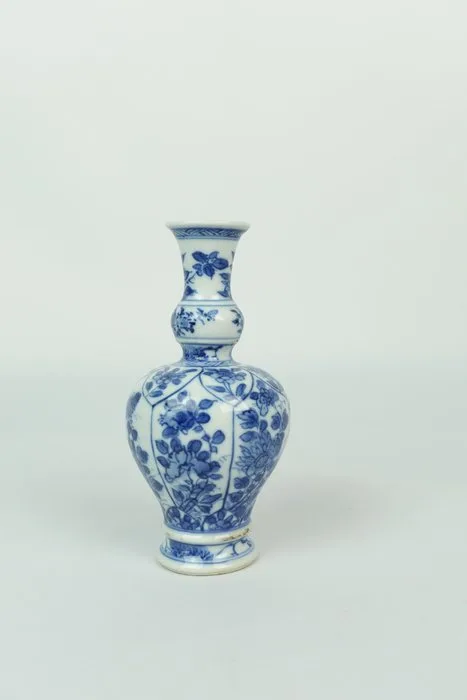
Blue & White Floral Double-Gourd Vase - Porcelain - China - Kangxi (1662-1722)
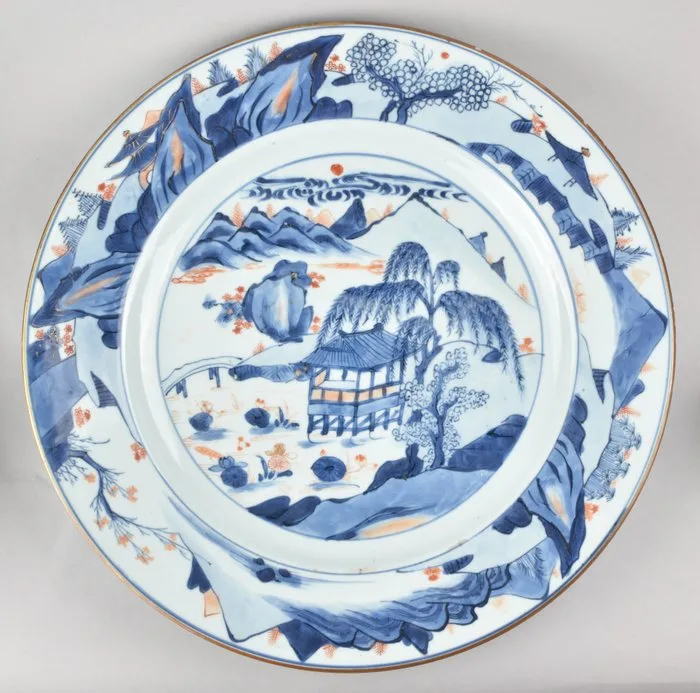
Charger plate - A MASSIVE CHINESE IMARI LANDSCAPE CHARGER - Porcelain
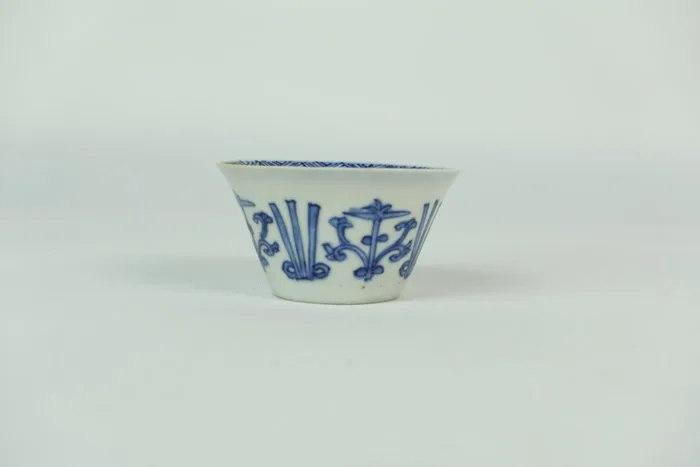
Blue-and-White Buddhist Scrolling Motif Horseshoe Cup - Porcelain - China - Kangxi (1662-1722)
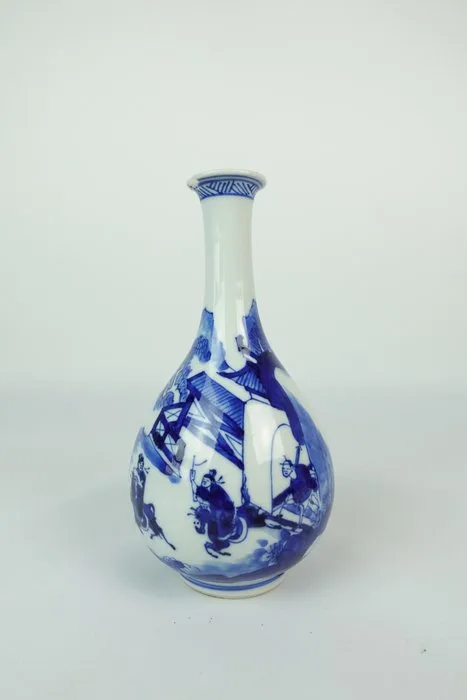
Blue & White Figural Landscape Yuhuchun Vase - Porcelain - China - Qing Dynasty (1644-1911)
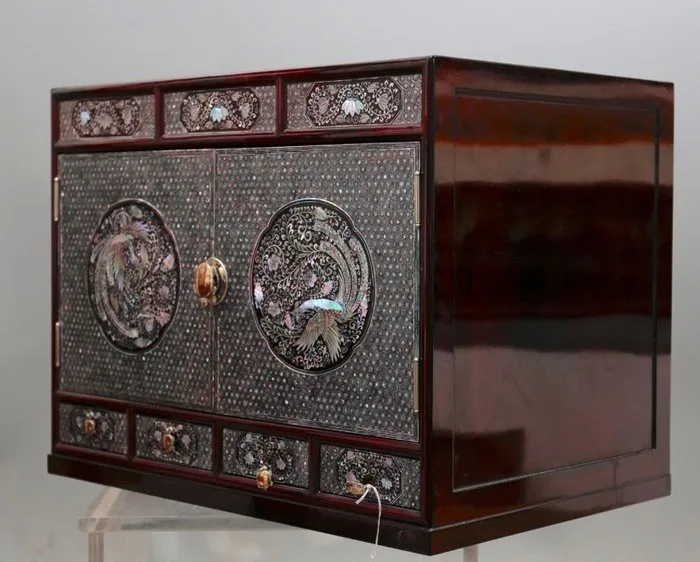
Wood - South Korea - a
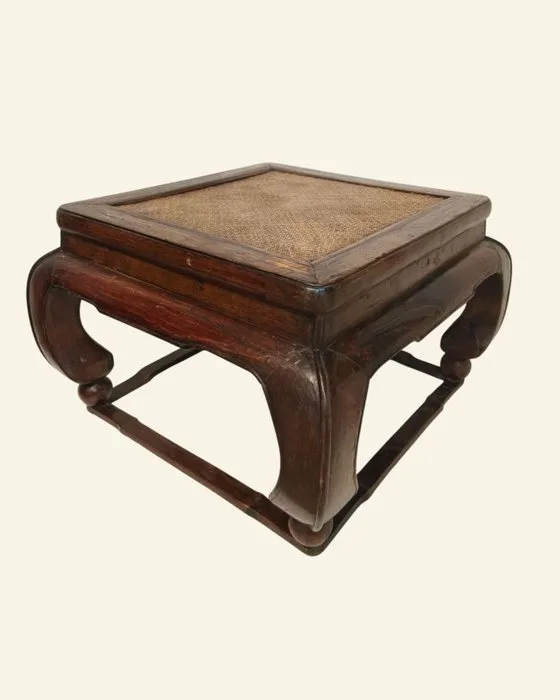
Coffee table - Elm - woven rattan envelope
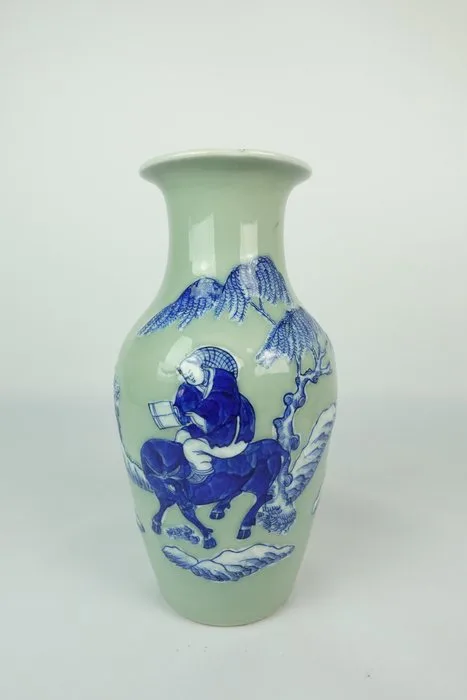
Celadon-Ground Blue & White 'Herdsman' Vase - Porcelain - China - Qing Dynasty (1644-1911)
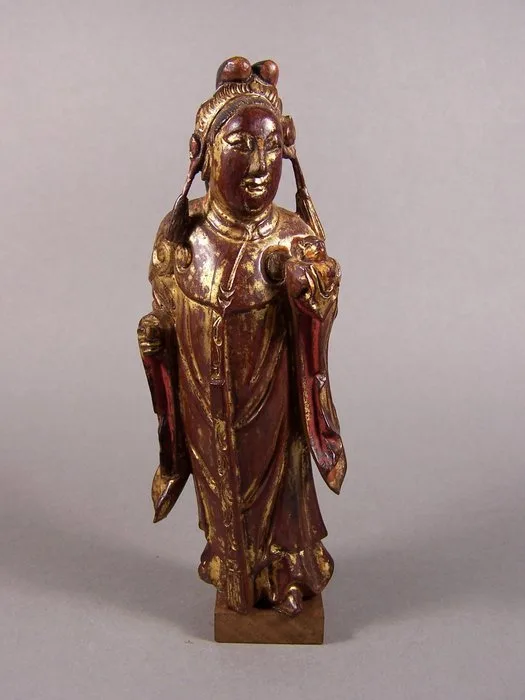
Chinese red lacquered wooden sculpture of a court lady - Wood - China - Qing Dynasty (1644-1911)
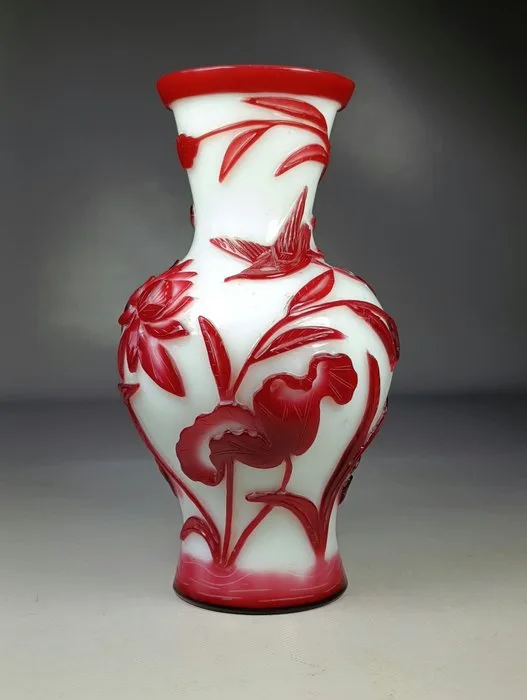
Vase - Beijing glass - China
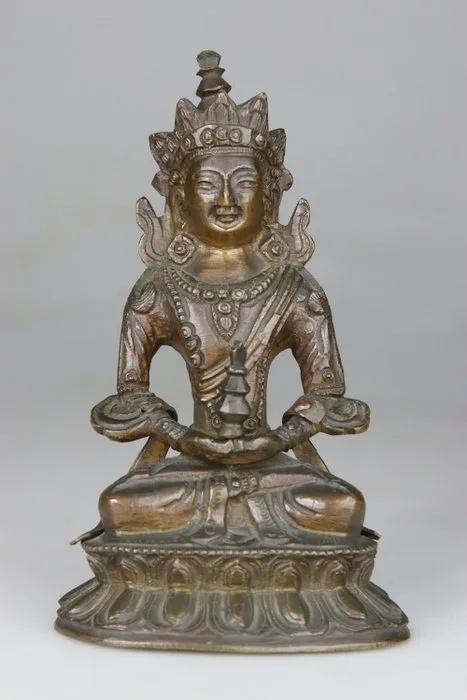
Amitayus Buddha statuette - Chinese - Bronze - China - Early 20th century
What this section contains
Most pieces here are porcelain: blue-and-white and famille rose vases, jars, bowls, plates and teacups. There are also bronze censers and Buddha figures (some from Nepal and Tibet), jade and soapstone carvings, snuff bottles, seals, cloisonné, lacquer and embroidered silk panels. Most pieces here are between €400 and €2,400.
Dynasties and reigns
- Ming Dynasty (1368-1644)
- Qing Dynasty (1644-1911), including the reigns of Kangxi (1662-1722), Yongzheng (1723-1735) and Qianlong (1736-1795)
- Republic period (1912-1949)
Reign marks and 'brand'
Many Chinese pieces carry a reign mark on the base naming an emperor. Marks were widely copied in later periods, both as homage and for trade. A title that says Qianlong brand or Kangxi mark means the piece carries that mark, which is not the same as being made in that reign. Where a listing states a period such as Qing Dynasty or Kangxi (1662-1722), that is the dating given for the object itself. Read the title and description carefully.
Condition to check
Porcelain is described from Excellent to Fair condition. Look in the photos for chips, hairline cracks, firing flaws, wear to gilding and old repairs. Frits (tiny glaze chips at the rim) are common on Kangxi-era export wares. For bronzes, a stable patina is normal; for jade, check edges for nibbles. Measurements are given as height, width and depth in centimetres.
Frequently asked questions
What does 'Qianlong brand' or 'Kangxi mark' mean?
It means the piece carries a mark on its base naming that emperor's reign. Chinese potters often added earlier reign marks to later pieces, so a mark alone does not date an object. Where a listing gives a period, such as Qing Dynasty (1644-1911), that is the dating for the piece itself; a mark mentioned without a period should be read as the mark only.
What is famille rose porcelain?
Famille rose is Chinese porcelain decorated with overglaze enamels that include an opaque pink, introduced in the early 18th century and popular through the Qing Dynasty and after. It is known for soft, shaded colours, often with flowers, birds or figures. Blue-and-white porcelain, by contrast, is painted with cobalt under the glaze.
How do I check old porcelain for damage?
Look closely at the rim, foot and any handles in every photo. Hairline cracks show as thin dark lines; chips and frits break the glaze at edges; restoration can look slightly duller or differently coloured. Gently tapping a bowl produces a clear ring if it is sound. The listing's condition field and description note known faults.
How much do pieces in the Chinese Art section cost?
Most pieces here are priced between about €400 and €2,400, depending on age, size, decoration and condition. Later decorative porcelain and small items sit at the lower end; larger Qing-period vases and fine bronzes sit higher. Shipping is free on every order, and fragile items are packed for transit.