African & Tribal Art
Masks, carved figures, power objects, ceremonial weapons and bronzes from across West and Central Africa, each listed with its ethnic group, country of origin and material.
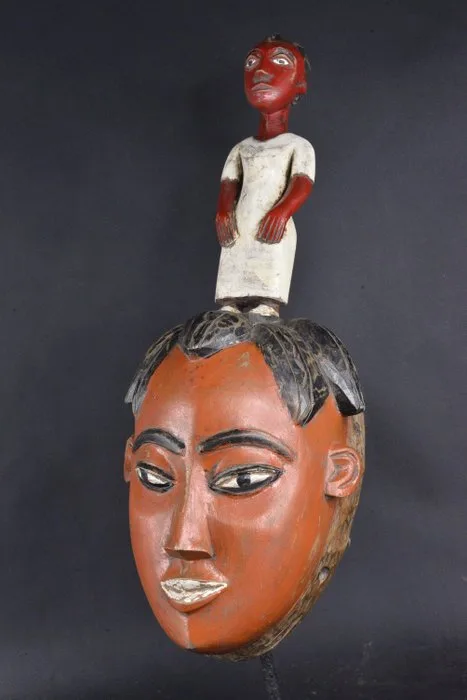
Mblo Mask of Rejoicing - Baule - Côte d'Ivoire
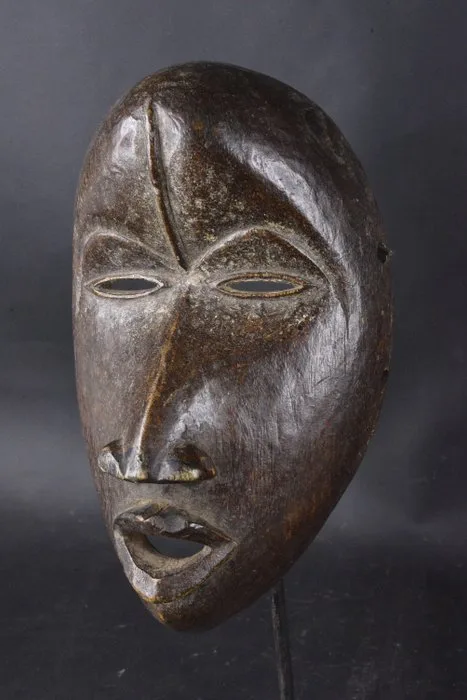
Dance mask - Dan - Côte d'Ivoire
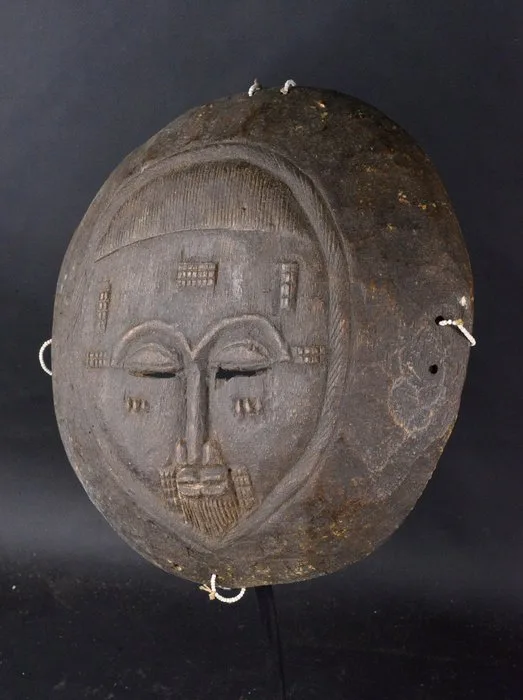
Ceremonial mask - bowl to Oracle - Baule - Côte d'Ivoire
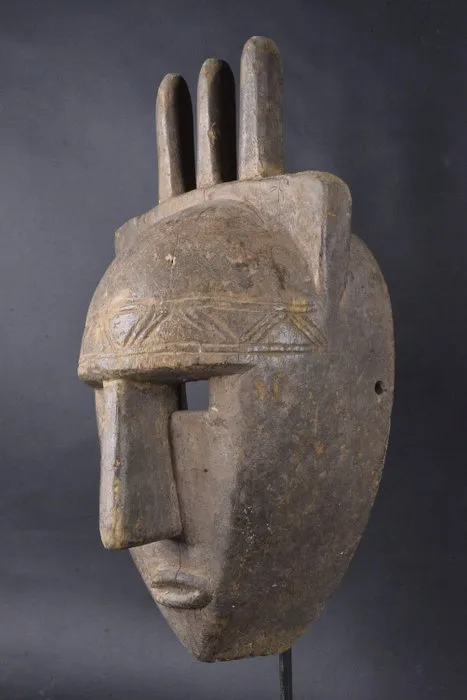
Mask of rejoicing - Bambara - Mali
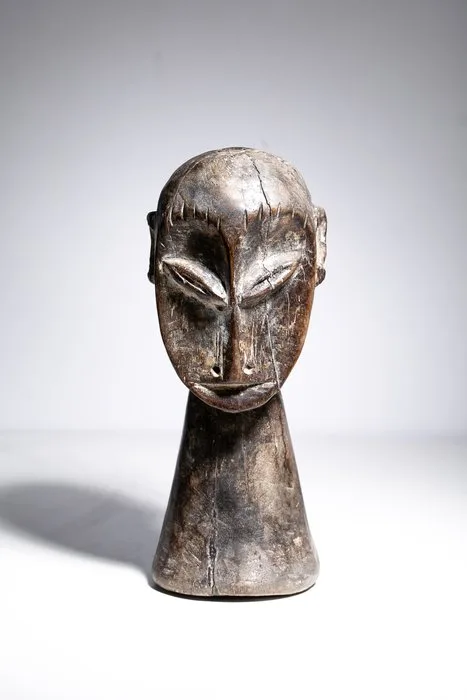
Head of the Bwami - Lega - DR Congo
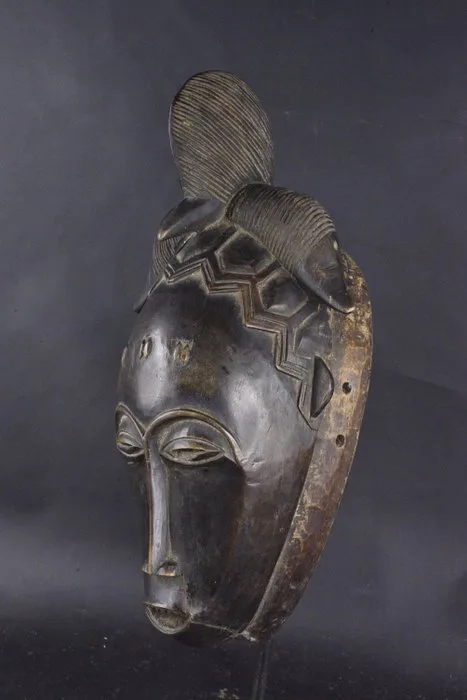
Ceremonial mask of the Dje - Yaure - Côte d'Ivoire
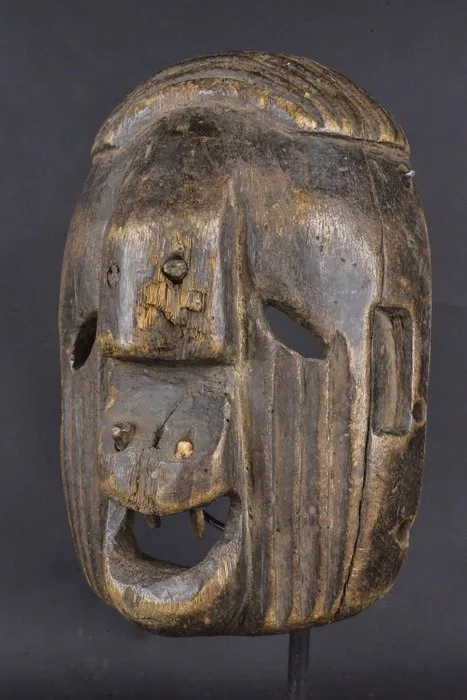
Dance mask - Dan / Wé - Côte d'Ivoire
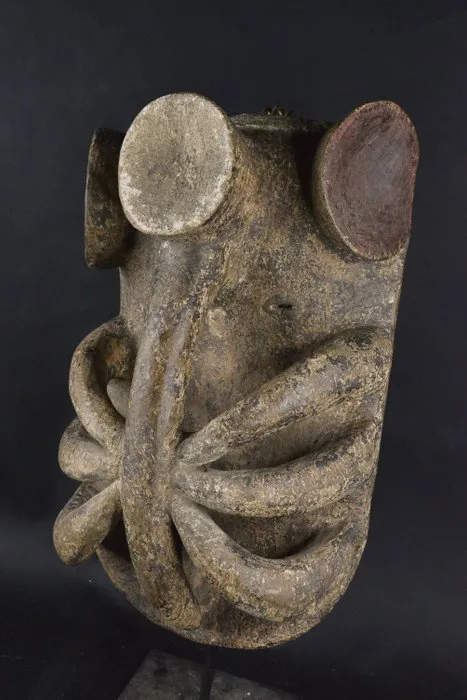
Ceremonial mask - Bété / Guéré - Côte d'Ivoire
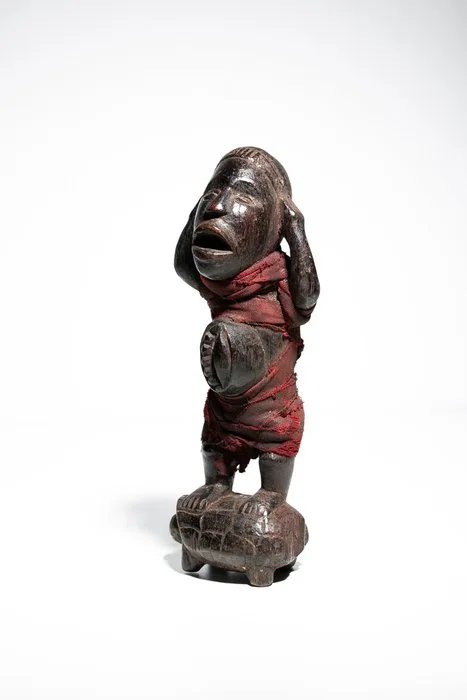
Bakongo - Nkisi fetish figure - Bakongo - DR Congo
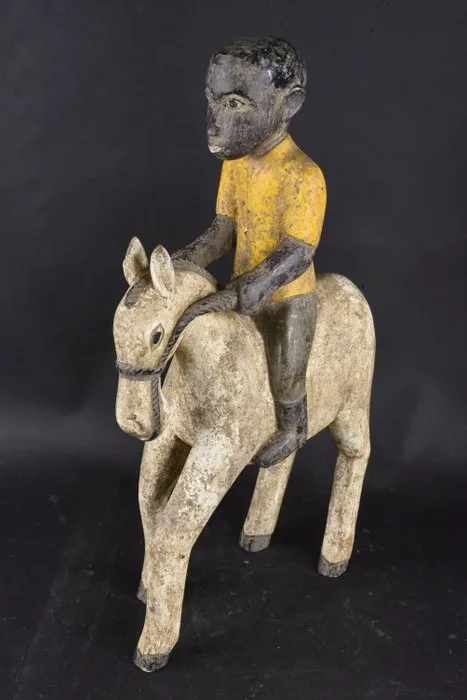
Statue of a horseman - Baule - Côte d'Ivoire
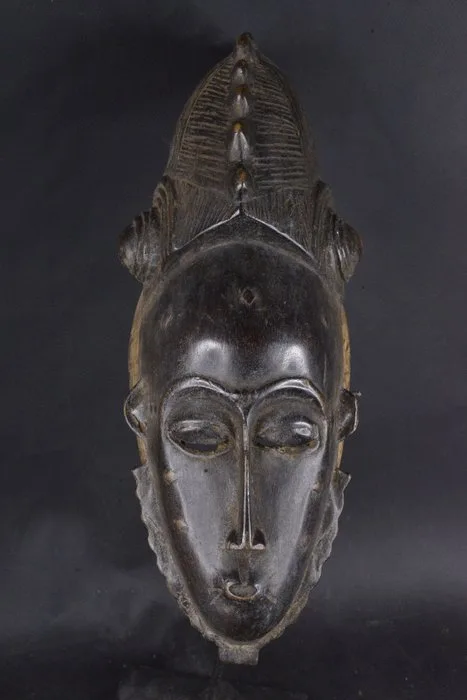
Mblo mask - Baule - Côte d'Ivoire
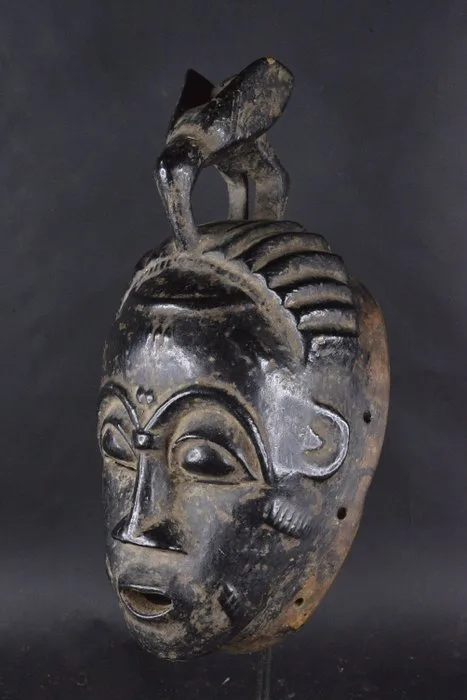
Mblo Mask of Rejoicing - Baule - Côte d'Ivoire
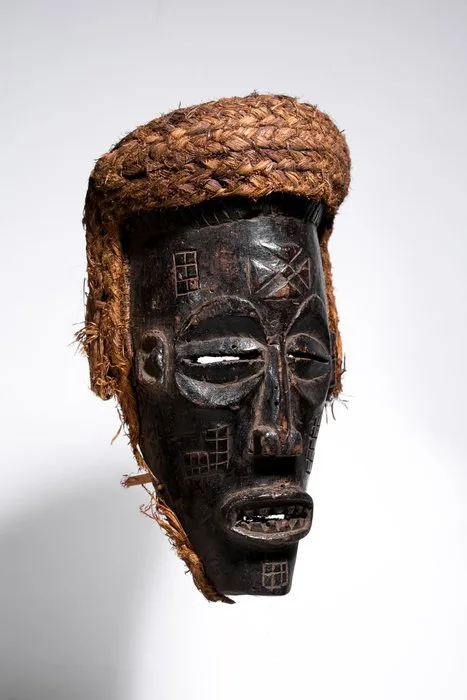
Old mask of the beautiful woman - Chokwe - Angola
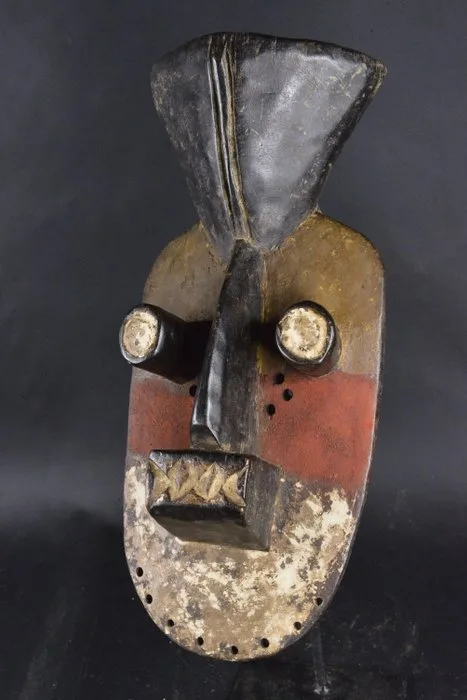
Warrior Mask / Power Mask - Grebo - Côte d'Ivoire
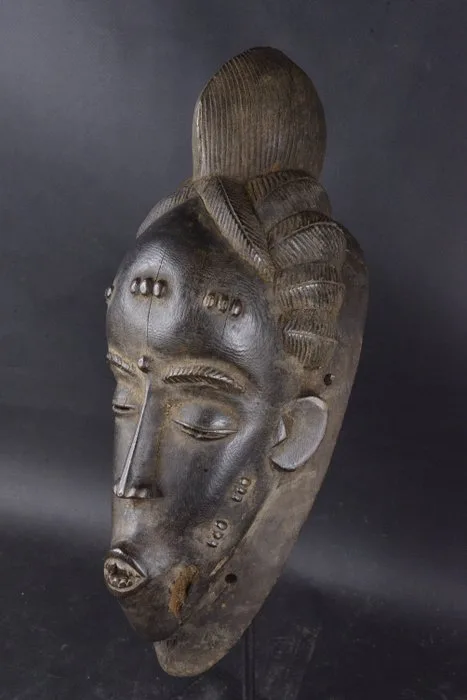
Mblo Mask of Rejoicing - Baule - Côte d'Ivoire
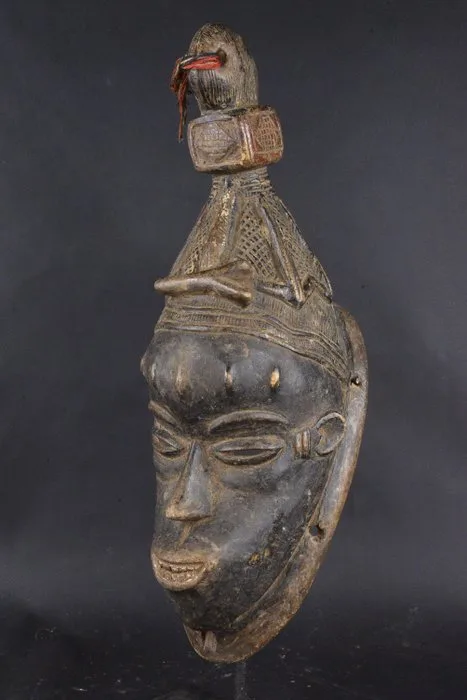
Mask of rejoicing - Gouro - Côte d'Ivoire
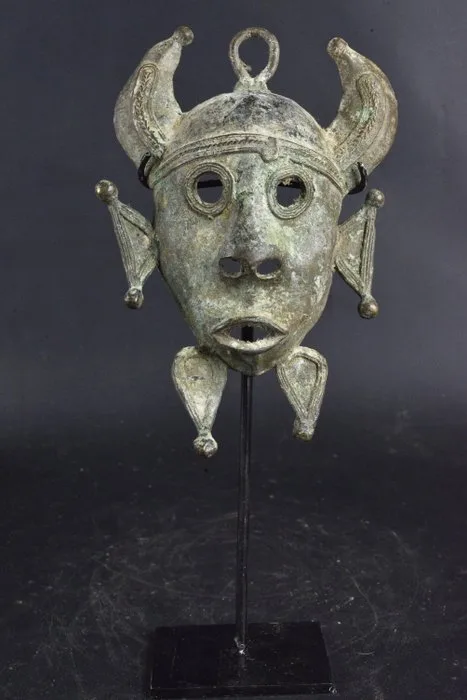
Kpéléyé mask in bronze on a metal base. - Sénoufo / Senufo - Côte d'Ivoire
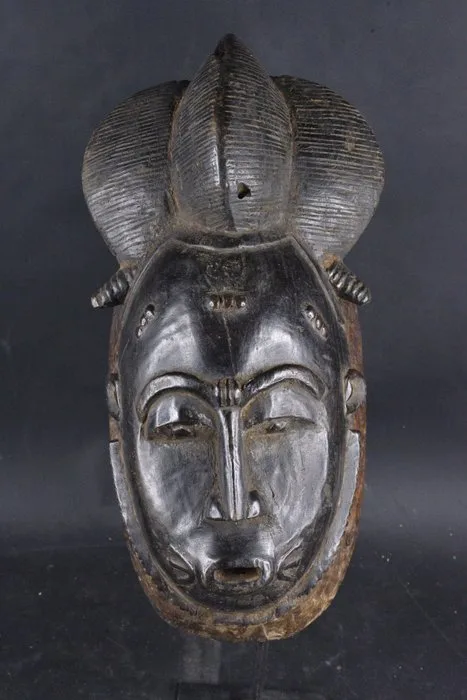
Mblo mask - Baule - Côte d'Ivoire
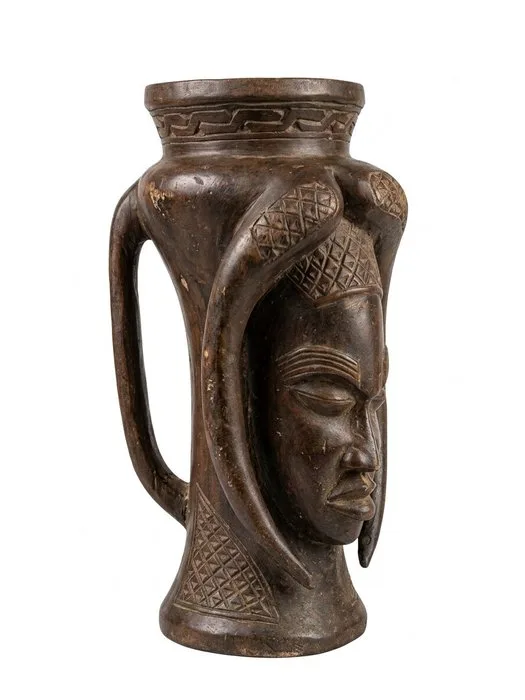
Cup, statuette and games
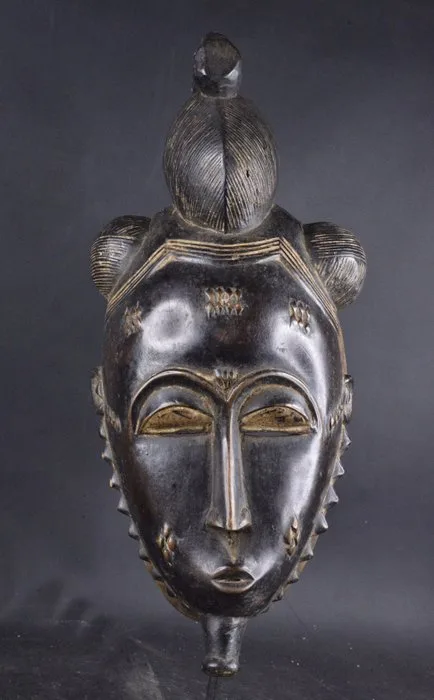
Mblo mask - Baule - Côte d'Ivoire
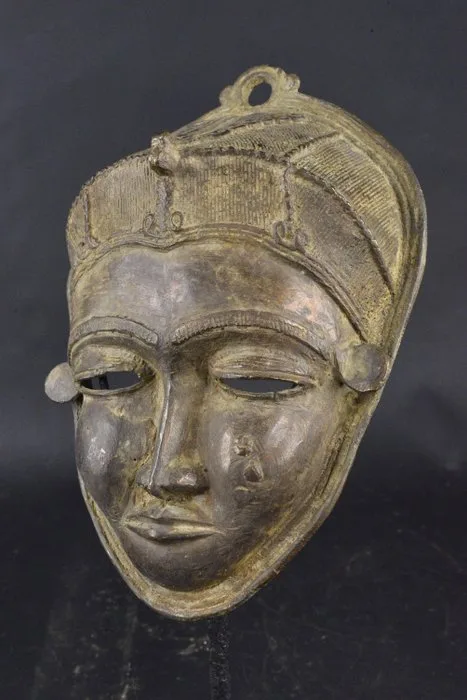
Small bronze mask - Baule - Côte d'Ivoire
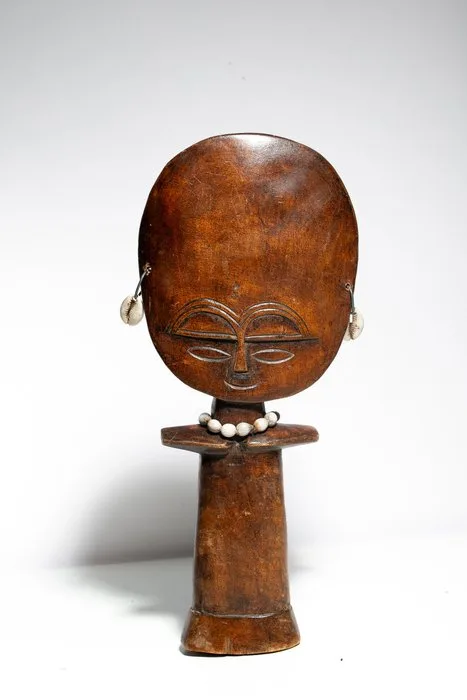
Akuaba doll - Ashanti - Ghana
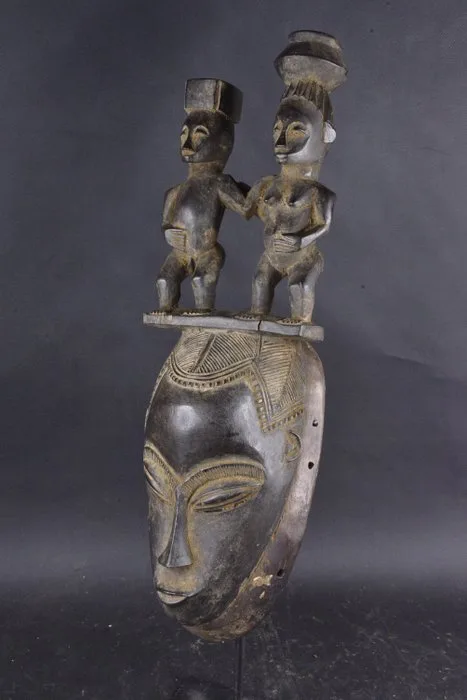
Mask of Fertility - Gouro - Côte d'Ivoire
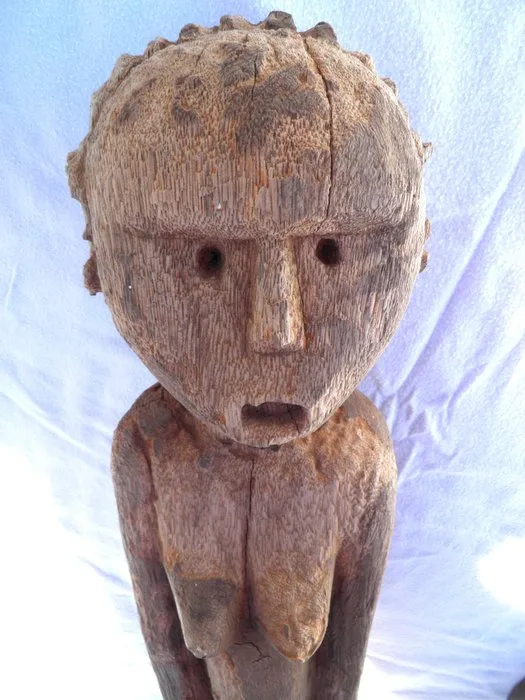
Figure - Funerary post - Wood - Bongo - 129 cm - Bahr El Ghazal - Sudan
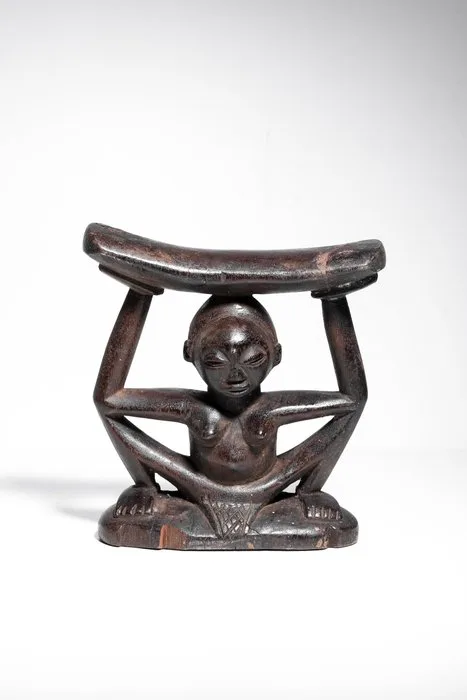
neck rest - Luba - DR Congo
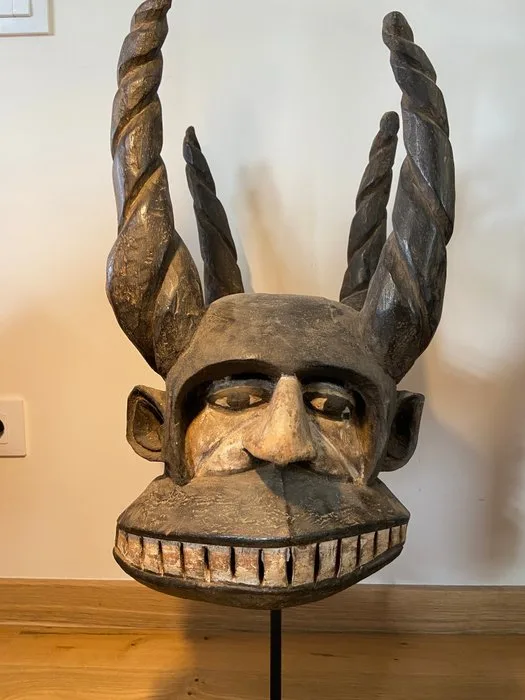
Protective mask - Mgbedike - Idoma - Nigeria
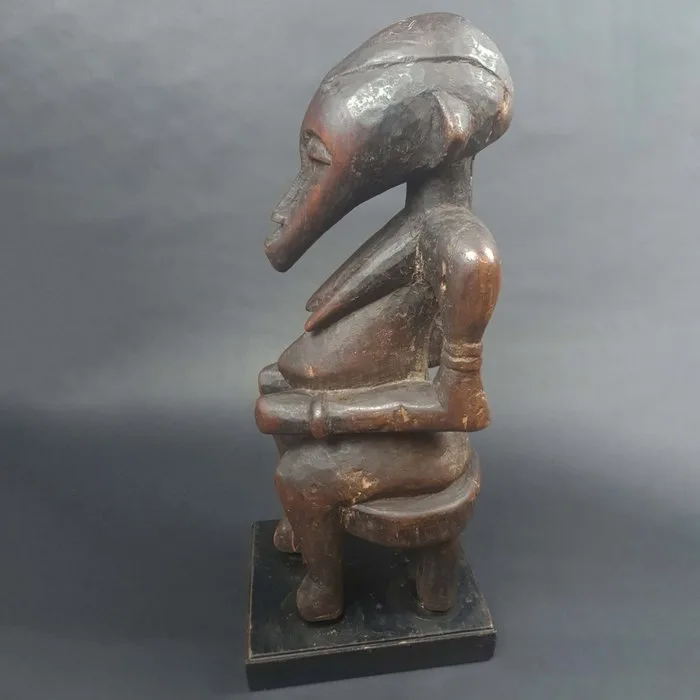
Sculpture - Wood - Former collection Bernard Chaumier (Paris, France) - Senufo - Ivory Coast - Met
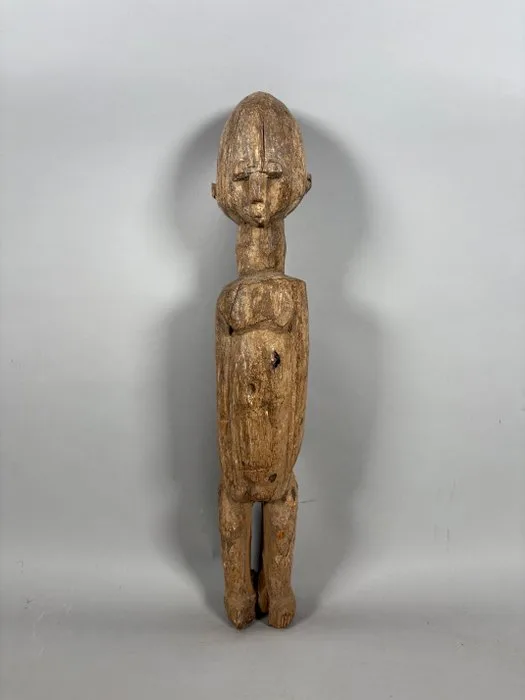
Bateba - Sculpture - Statue Bateba - Lobi - Burkina Faso
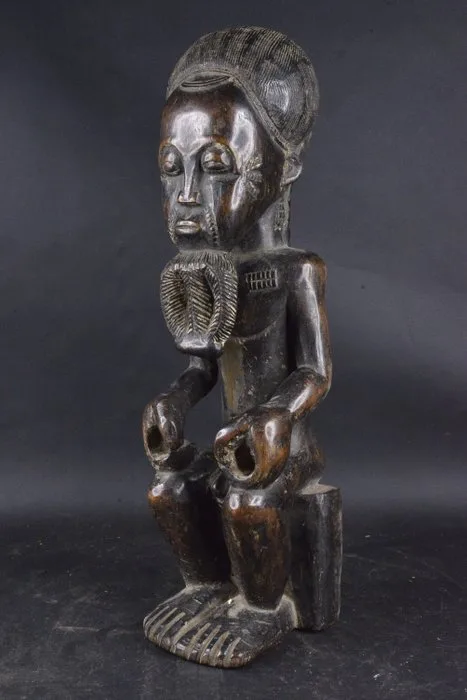
Statue depicting a Blolo Bian (Husband of the Afterlife) - Baule - Côte d'Ivoire
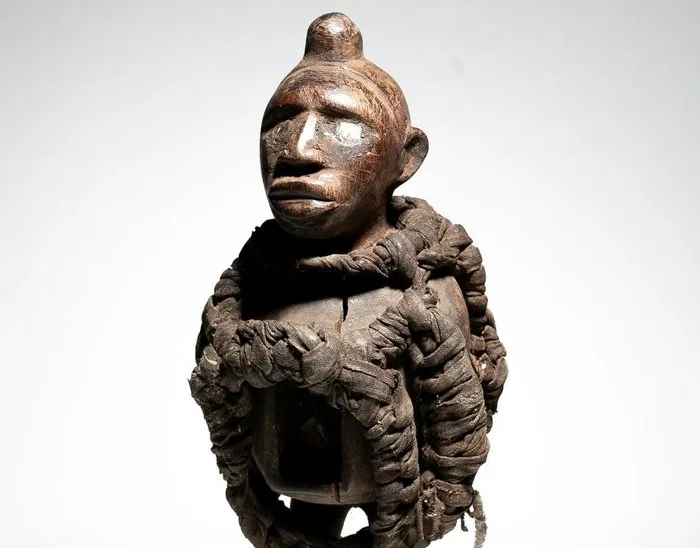
Bakongo - Nkisi power figure - Bakongo - DR Congo
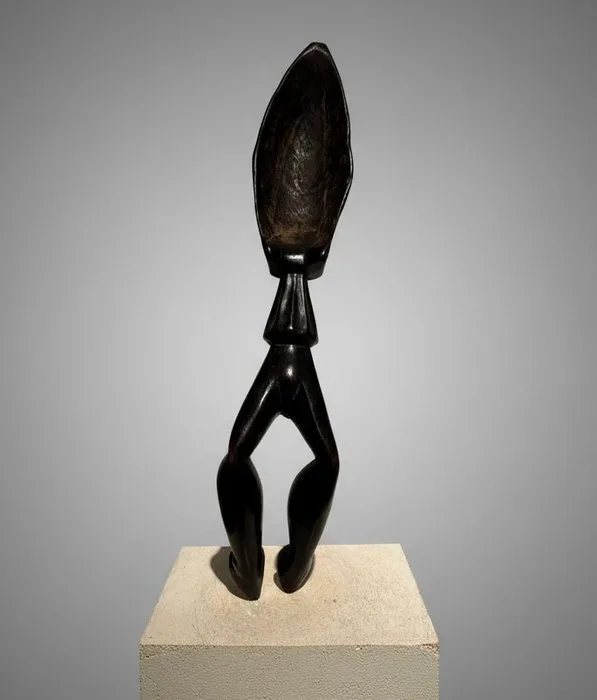
Spoon - Wood
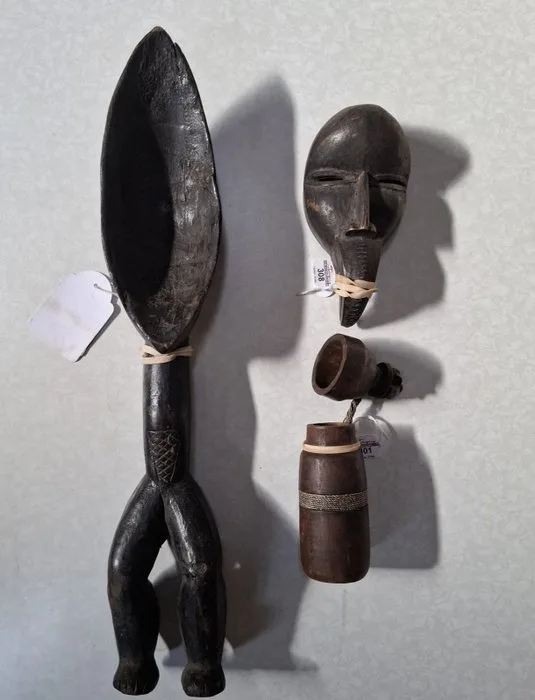
Dan Maou - Dan - Côte d'Ivoire
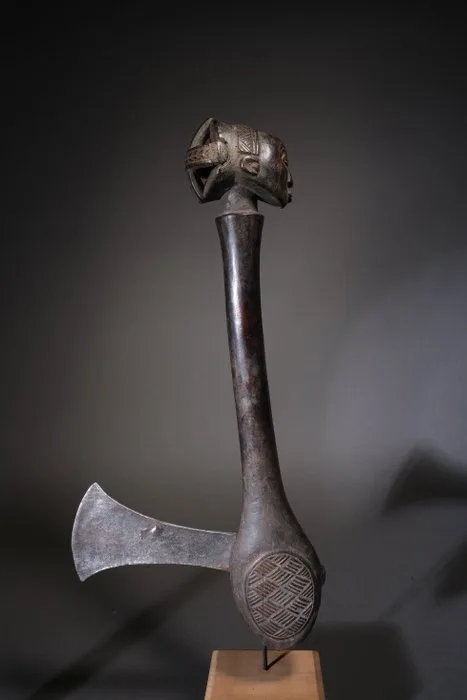
LUBA Regalia & Ceremonial Axe - DR Congo
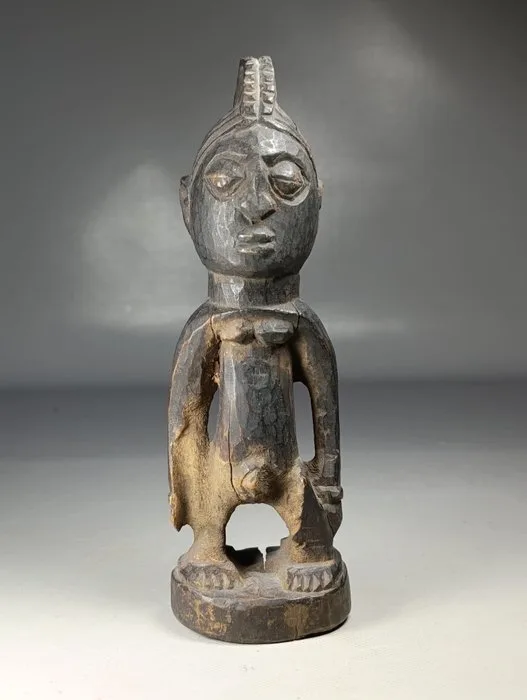
Statuette anthropomorphe Yoruba / Ibeji en bois patiné - Sculpture - Anthropomorphic ritual statuette. - Yoruba - Nigeria
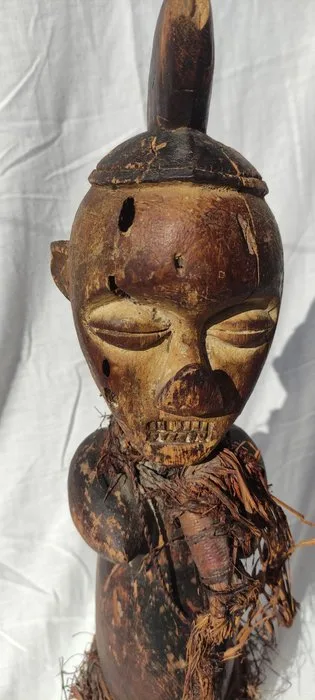
Wood - DR Congo - 20th century
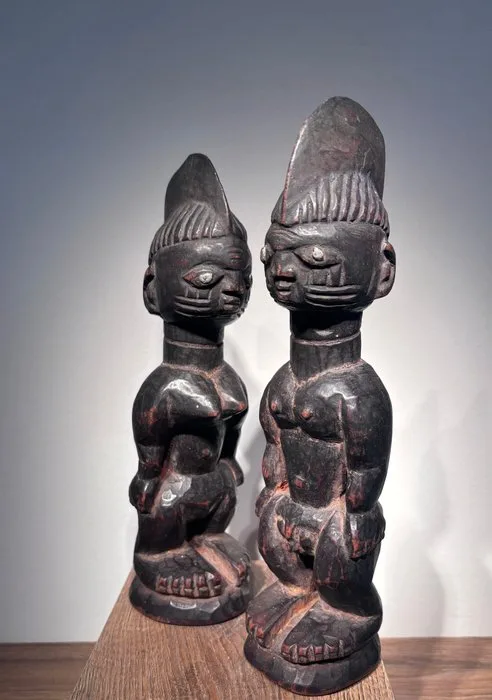
Yoruba twin figures - Ibeji figures - Yoruba - Nigeria
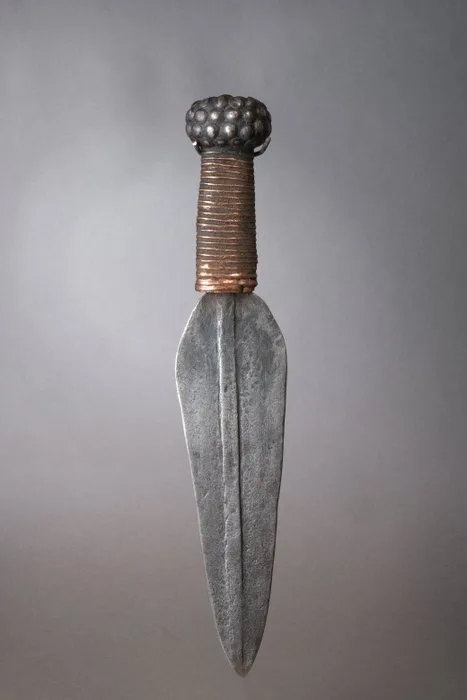
KUBA knife - DR Congo
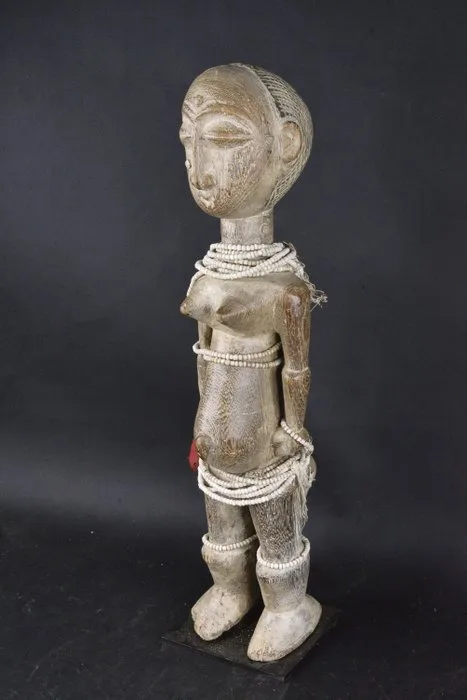
Statue of Protection - Agni - Côte d'Ivoire
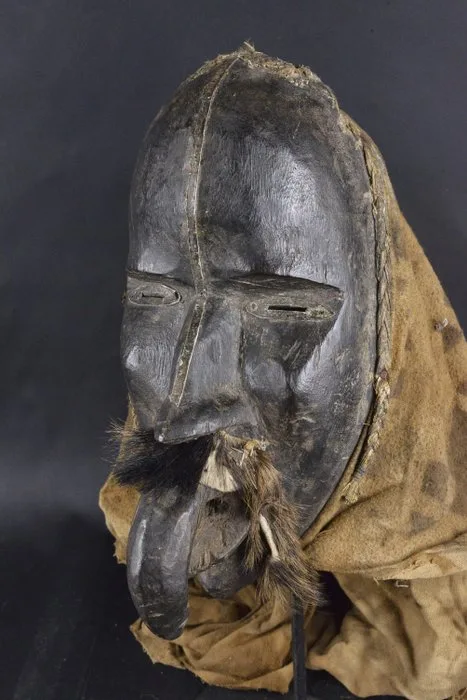
Mask of the Warrior and the Vigilante - Dan Guéré - Côte d'Ivoire
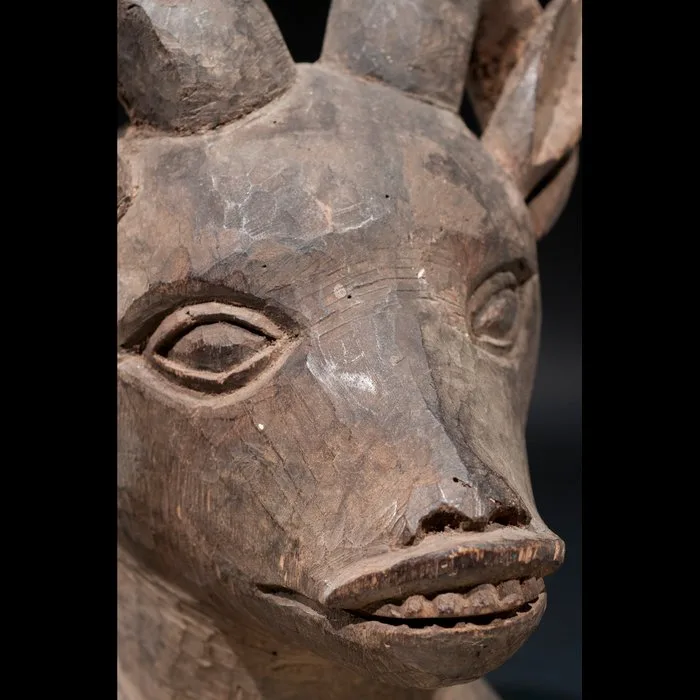
Ram mask - Yoruba - Nigeria
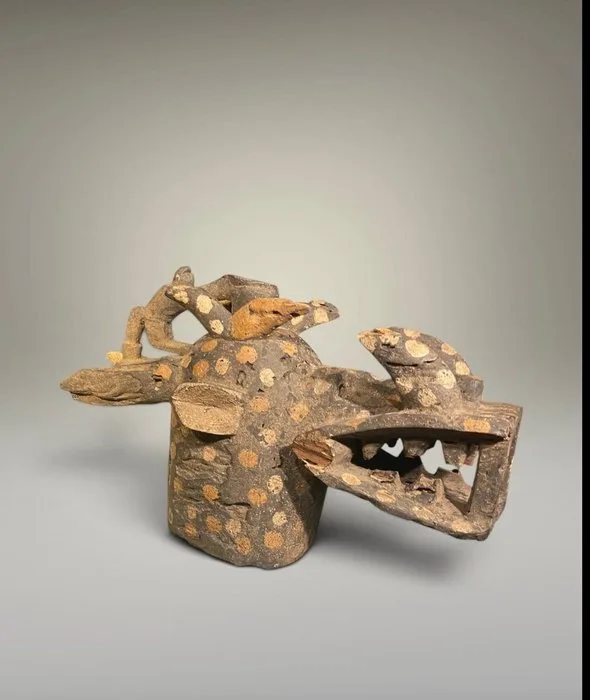
Exceptional mask Senofou (30 cm) - helmet /mask senofou - Senufo - Mali
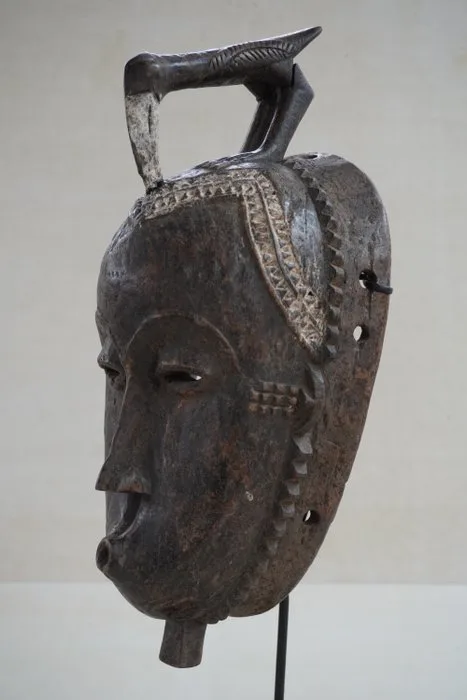
Mask - Yaure - Africa
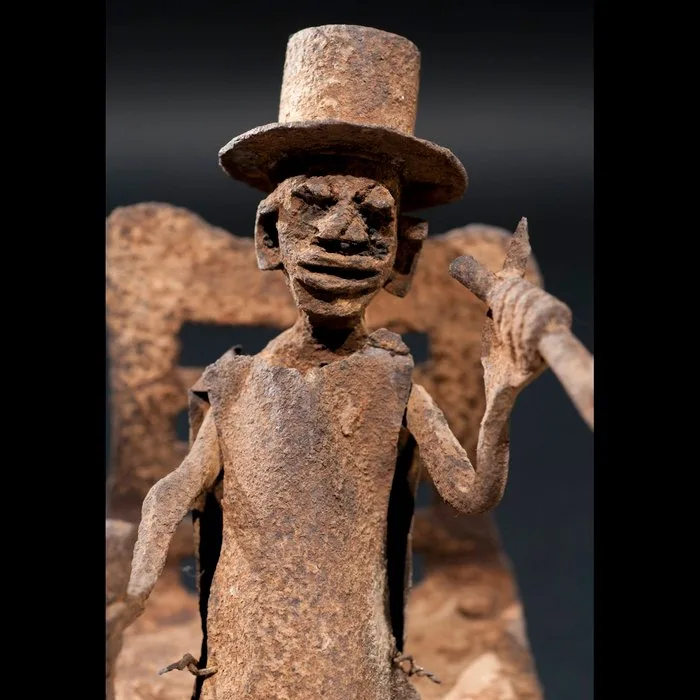
Board game character Assen - Fon - Benin
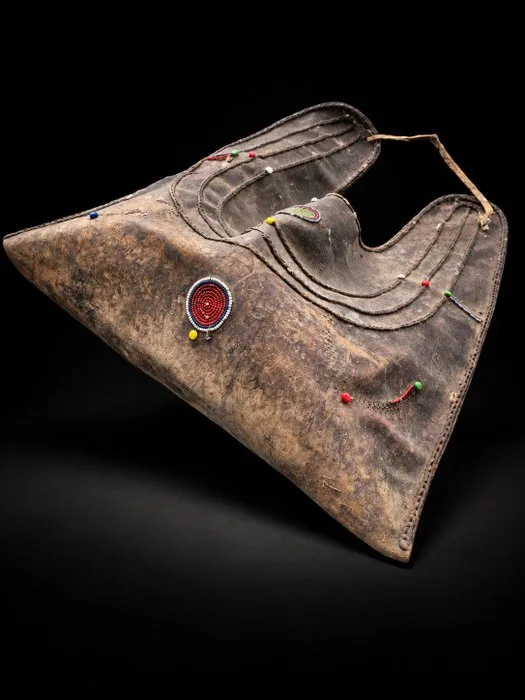
Maasaï - Kenya
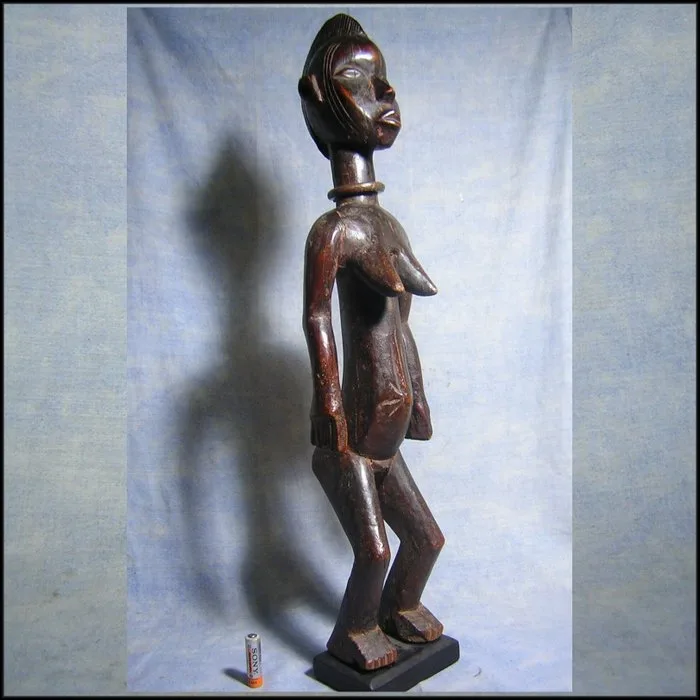
Figure - Ancestor statue 60 cm - Mossi - Burkina Faso
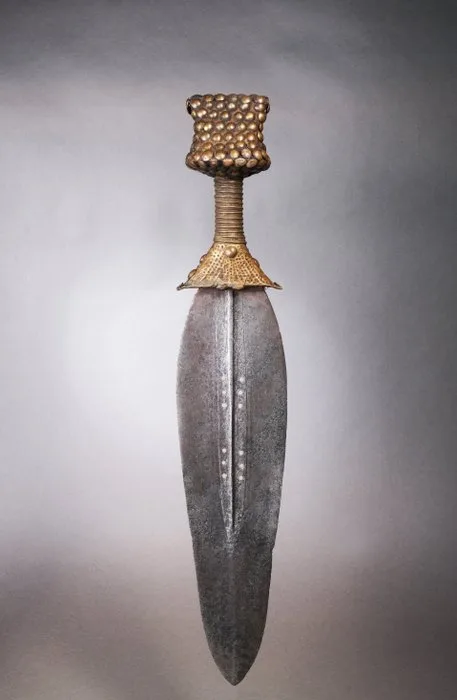
Rare authority knife NGANDU/SAKA - DR Congo
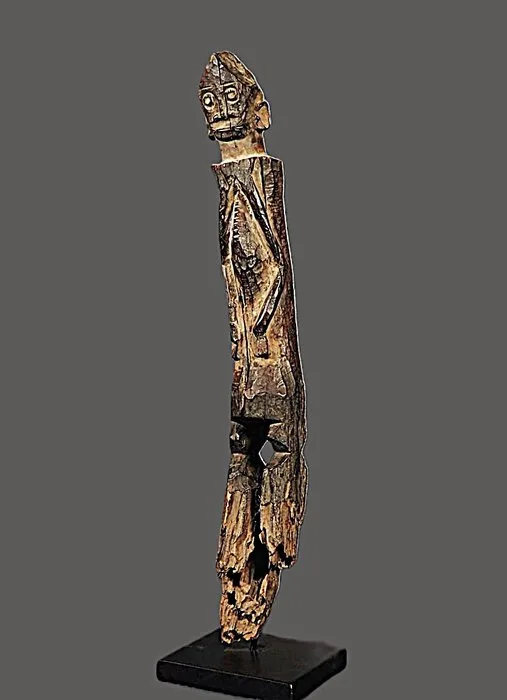
Ancestor figure - Job. - Nigeria - An ancestral statuette
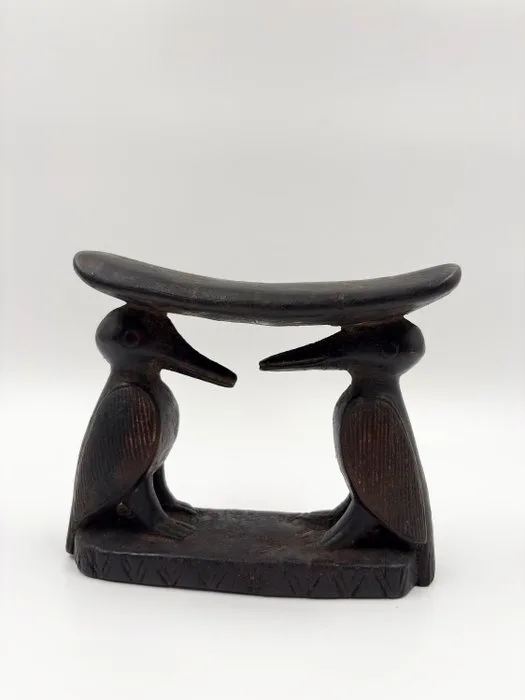
Headrest - Wood - Holo Neckrest, Congo
What this section contains
Most pieces are carved wood: masks from the Baule, Guro, Songye (the Kifwebe mask), Chokwe, Idoma and Bobo, standing figures from the Lobi, Pende and Kuba, and Fon vodun (voodoo) figures from Benin. There are also Yoruba and other bronzes, terracotta heads, Kuba and Mangbetu knives and ceremonial weapons, and Ethiopian manuscripts. Most pieces here are between €400 and €1,600.
Reading a listing
- Ethnic Group names the people whose style the piece follows, for example Baule or Fon.
- Origin gives the country, most often DR Congo, Côte d'Ivoire, Benin, Nigeria or Mali.
- Material is usually wood; bronze, terracotta, iron and mixed materials also appear.
- Height is the most useful size for masks and figures.
Age and use
African art ranges from objects made and used in ritual to pieces carved for collectors and the decorative trade. Signs of use include worn surfaces where a mask was held or touched, a built-up patina and old repairs made locally. Descriptions give condition as Excellent, Good or Fair; read them together with the photos, and ask questions if the age or use of a piece matters to you.
Practical points
Wood can move with changes in humidity, so keep carvings away from radiators and direct sun. Some objects include feathers, shells, animal skin or bone; if you live outside the EU, check whether your country restricts importing these materials.
Frequently asked questions
What is a Kifwebe mask?
A Kifwebe mask is a carved wooden mask of the Songye and Luba peoples of the Democratic Republic of the Congo. It is known for its striated, grooved face, often painted in white, black and red, and a crest along the top. Kifwebe masks were traditionally linked to social control and ceremony. Some in this section come with a raffia costume.
How can I tell if a mask was used?
Signs of use include wear on the inner rim where it touched the face, smoothing where it was handled, holes for attaching a costume, and an uneven patina built up over time. Newer pieces made for sale often look crisp, evenly coloured and unworn inside. Look at every photo, especially the back, and read the description's notes on condition.
What does the Ethnic Group field mean?
It names the people whose artistic style and tradition a piece belongs to, such as Baule, Fon, Songye or Dogon. Styles are distinct enough that collectors often focus on one group. The Origin field separately gives the modern country, for example Côte d'Ivoire or DR Congo, since many groups live across borders.
How should I care for a wooden carving?
Keep wooden masks and figures out of direct sunlight and away from radiators, air conditioning and damp, since sudden changes in humidity can cause cracks. Dust gently with a soft brush and avoid polishes or water, which can damage an old surface. Display heavy figures on a stable base.